
A Summer School dedicated to AI, data and governance
March 11, 2026
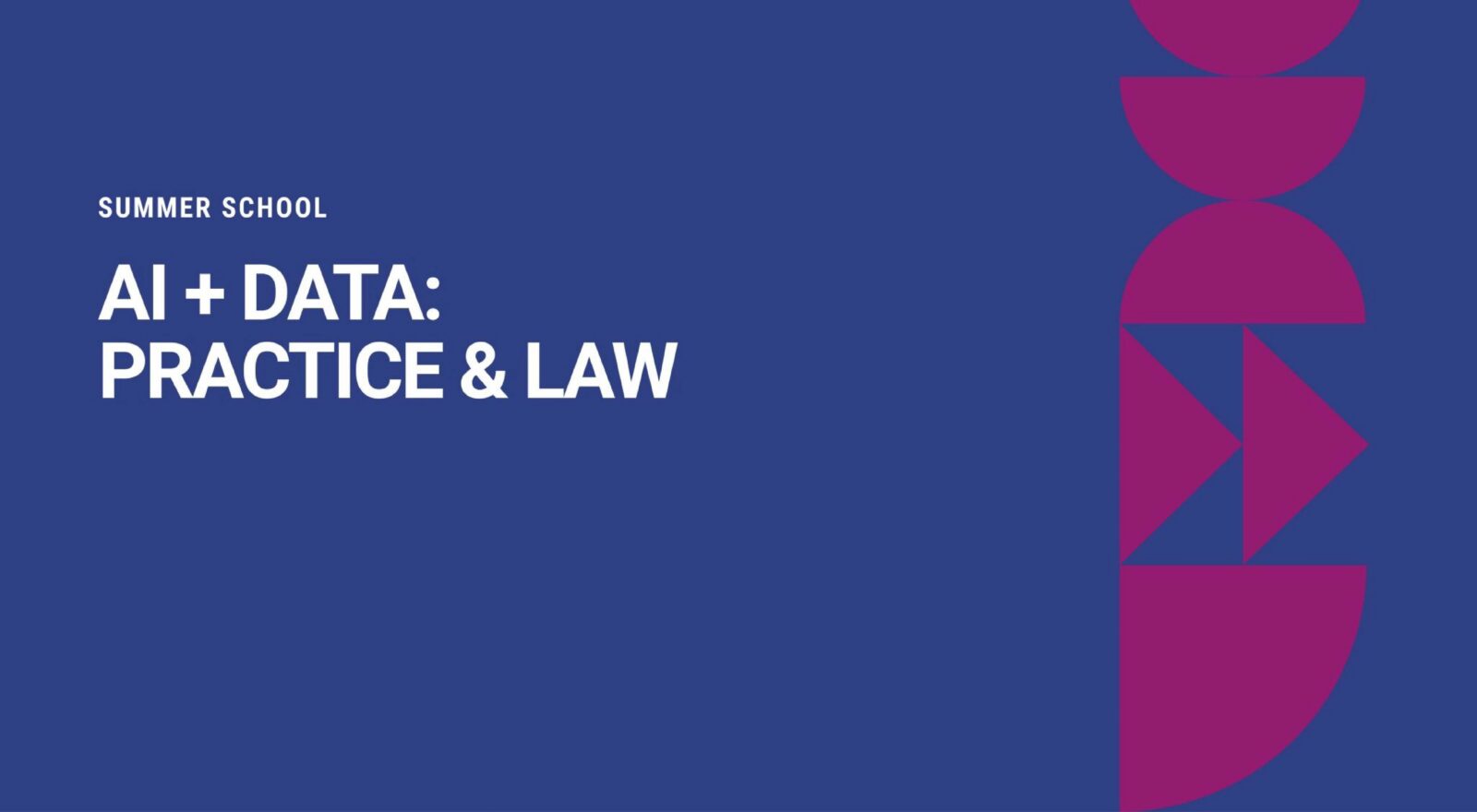
From June 10 to 12, three days of training on law, privacy, and the AI Act with “AI + DATA: PRACTICE & LAW,” the school organized by FBK in collaboration with the OECD Center for Local Development in Trento
Artificial intelligence is entering public and private processes in a structural way: it supports clinical decisions, models public policies, optimizes services, and accelerates research. Alongside these opportunities, however, clear responsibilities are emerging. Transparency, protection of personal data, security, non-discrimination, and human oversight are not ancillary elements, but legal and organizational requirements that directly affect those who design, develop, or use AI systems.
To respond to this transformation, the first edition of the FBK Summer School dedicated to “AI + DATA: PRACTICE & LAW” has been launched, organized by the Ethics & Legal Innovation Lab at Fondazione Bruno Kessler in collaboration with the OECD Trento Center for Local Development and scheduled in Trento from June 10 to 12. The initiative is designed to strengthen institutional and professional capacities in the design, implementation, and oversight of Artificial Intelligence governance frameworks consistent with European Union law and principles and with OECD standards.
The regulatory framework in this area is evolving rapidly and requires up-to-date, integrated skills. The AI Act, GDPR, EU guidelines, and the OECD AI Principles are redefining roles, responsibilities, and organizational models. In this scenario, the ability to translate legal and ethical principles into operational procedures becomes critical. The Summer School offers an intensive three-day course that combines in-depth study and practical application, with the aim of providing tools that can be immediately used in professional contexts.
The program alternates seminars led by FBK experts and international professionals with interactive working groups. The seminars explore international approaches to AI governance, the European regulatory framework on data and artificial intelligence, accountability profiles, and risk management models. The working groups, organized around horizontal themes and specific application areas, allow participants to discuss concrete cases and operational challenges. For each time slot, participants can choose the working group that best matches their profile, thus building a targeted training experience.
The Summer School targets professionals who work at the intersection of digital technologies and law: graduates and researchers in law and technology, data protection officers, lawyers, project managers, private sector professionals, and members of the public administration. Solid professional experience in the field of technology and law is required to ensure a high-level exchange among participants.
Applications are open and must be submitted via the online form by May 1, 2026. Participants will be notified by the organizers by May 8, 2026. If applications exceed the available places, selection will be made on the basis of professional qualifications and work experience.
Classes will be held in English.
The author/s
Related articles