
THz-Skin: pioneers in the early diagnosis of skin cancer
March 17, 2026
FBK will contribute to the European project by microfabricating the sensors at the core of a system designed to diagnose subcutaneous cancer forms in a noninvasive way and without radiation.
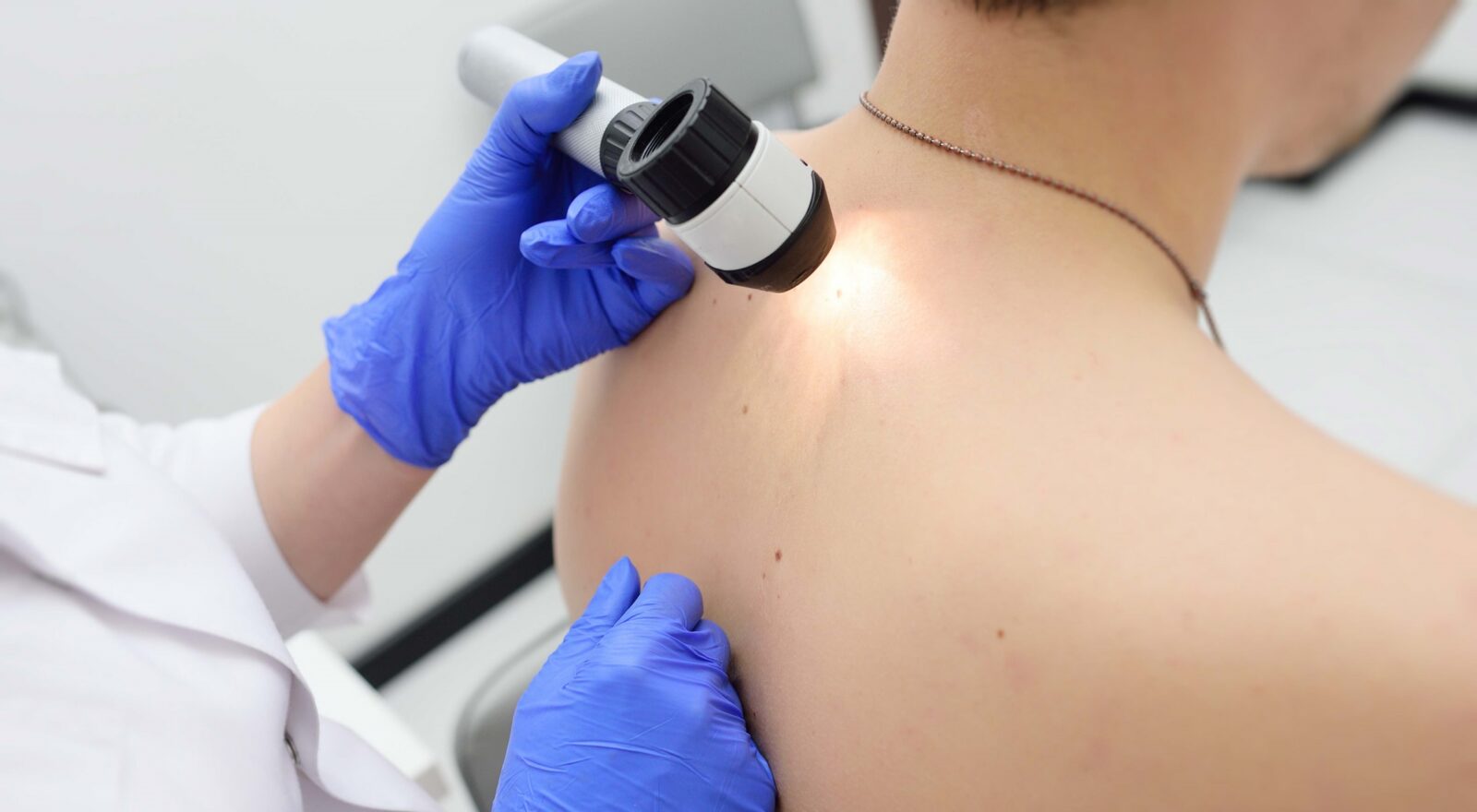
Skin cancer causes over 36,000 deaths every year in the EU and costs around €9 billion in healthcare and indirect costs. The PTHz-Skin Pathfinder Open project has just started and will run over the next four years with the goal of making early diagnosis faster, safer, and more accessible. The project will create a noninvasive, marker-free diagnostic platform capable of real-time screening without radiation, without the need for expensive equipment, or specialist intervention.
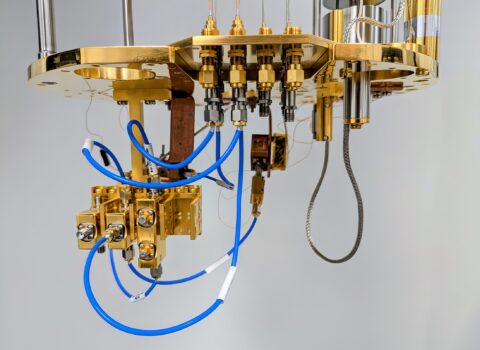
How will this paradigm shift be technically possible? By using the body’s natural thermal output to detect cancer spectral fingerprints in the terahertz (THz) frequency range. This approach was made possible by the H-Cube (ATTRACT Phase II) project, which developed highly sensitive and fast terahertz sensors based on advanced bolometers capable of detecting very weak signals.
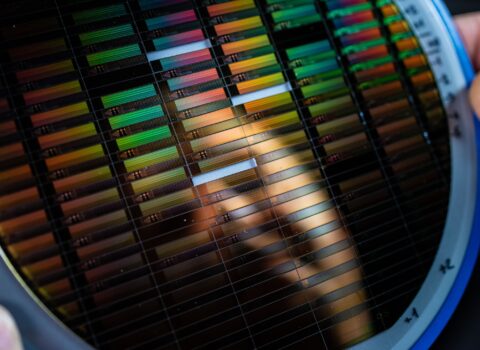
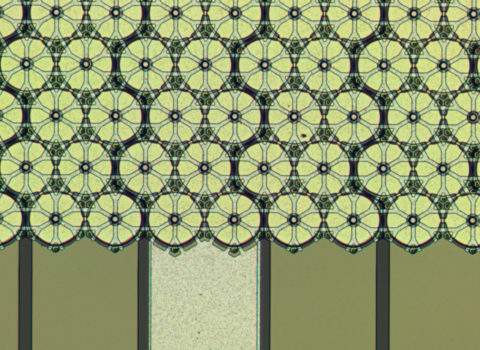
The detectors produced in the Clean Rooms of Fondazione Bruno Kessler will serve as the fundamental building blocks of miniaturized, low-cost sensors called Multifrequency Pixels (MFP). These will enable hyperspectral imaging in the 3–25 THz range—that is, the ability to analyze the skin at different terahertz frequencies to identify the distinct “signatures” of healthy and cancerous tissue. Diagnosis will be based on a growing open-access library of spectral fingerprints and on artificial intelligence–based diagnostic tools capable of detecting subcutaneous cancer forms.
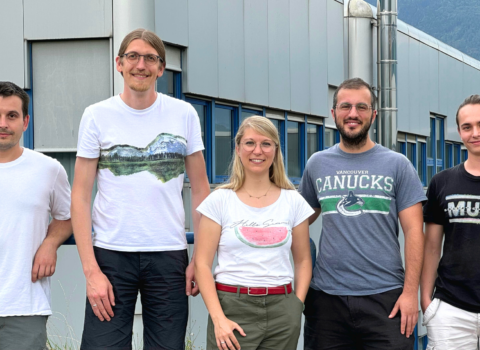
“THz-Skin Pathfinder Open aims to revolutionize the diagnosis of skin cancer by making large-scale screening possible,” Alvise Bagolini, researcher at the Center for Sensors & Devices and head of the partnership for FBK, explaines. “This means moving toward more timely treatments. The success of the THz-Skin project will make it possible to provide healthcare with easy-to-use diagnostic tools that can be easily integrated at both hospital and outpatient levels. As the Kessler Foundation, we are proud to contribute to this project with the microfabrication of the sensor that is at the heart of the THz-Skin system, based on resonators equipped with metasurfaces. We will do this in our Clean Rooms, among the most advanced in Europe.”
The project, funded by the European Commission, is carried out by a consortium of academic and industrial partners from Italy, Lithuania, the United Kingdom, Finland, and Switzerland, under the coordination of the University of Eastern Finland.
THz-Skin Pathfinder Open promises to revolutionize skin cancer diagnosis by enabling large-scale screening, earlier treatment, and better outcomes for patients across Europe. The successful implementation of the THz-Skin project will make easy-to-use diagnostic tools available even in primary care doctor offices.
For more information, visit the project website and follow us on LinkedIn.
The author/s
-
 Alvise Bagolini
Senior researcher within Trento-based Fondazione Bruno Kessler (FBK), at the Center forSensors and Devices
MORE INFO
Related articles