

Mass spectrometry in the palm of your hand
August 19, 2026
As part of a project by NanoTech Analysis, FBK has developed the microfabrication process and produced an initial series of components in its Clean Rooms to miniaturize instruments that will facilitate non-invasive diagnostics.
A mass spectrometer is an instrument that identifies and measures the molecules in a sample based on their mass, making it possible to determine their composition, structure, and quantity. It is widely used in medicine, as well as in food safety and air composition analysis. Today, these instruments are about the size of a workbench, but they could soon become compact, portable, and easy to use.
The project was initiated by NanoTech Analysis, which—after the scientific validation of its research concept was published in Nature—entrusted Fondazione Bruno Kessler with the engineering and fabrication of the MEMS component designed to enable the miniaturization of mass spectrometers, a key step toward future industrial applications. Among the most promising applications is non-invasive diagnostics based on the analysis of exhaled gases. The miniaturization of mass spectrometry can facilitate the development of instruments capable of analyzing breath to identify biomarkers associated with various diseases, such as those used to diagnose Helicobacter pylori infection—a bacterium associated with gastritis, ulcers, and, in some cases, stomach cancer—with results showing 99% diagnostic agreement.
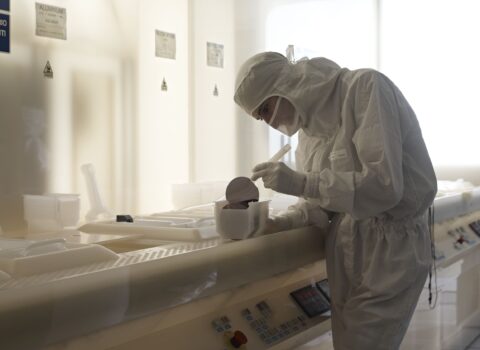
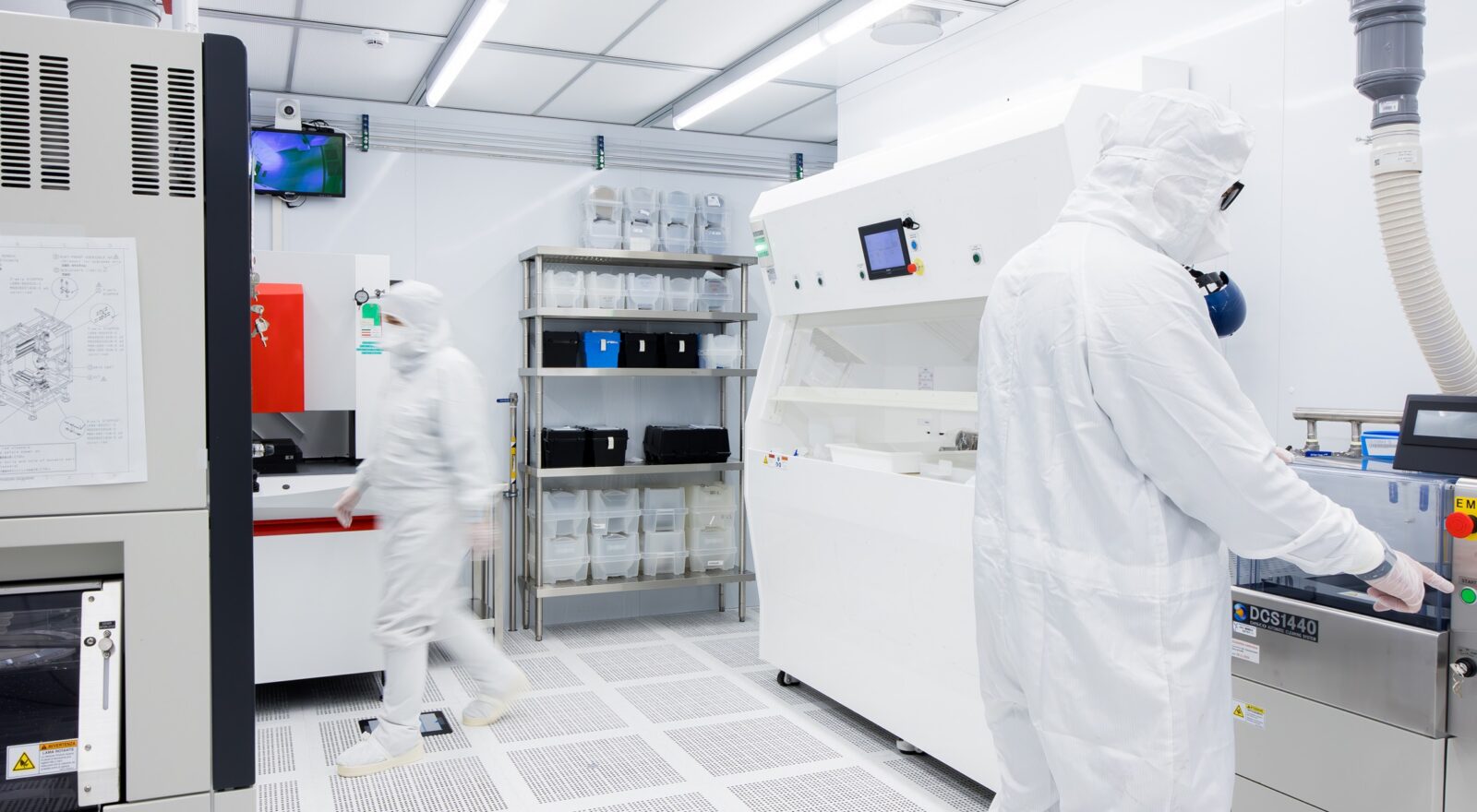
The contribution of the FBK Center for Sensors & Devices focused on developing the microfabrication process needed to turn the design into a functional and reproducible device. This work is carried out in the Foundation’s Clean Rooms, where specialized expertise and dedicated infrastructure support the development of advanced microsystems and devices for companies and research centers.
“The collaboration with Fondazione Bruno Kessler represents a concrete and successful example of technology transfer between advanced research and industry for NanoTech Analysis. The expertise of the Center for Sensors & Devices and the infrastructure of FBK’s Clean Rooms enabled us to transform a proprietary, scientifically validated design into a functional, reproducible MEMS component intended for integration into the Helitron. The miniaturization of mass spectrometry is a central element of our technological strategy and means developing increasingly compact and patient-friendly diagnostic tools. This collaboration strengthens the project’s scientific and industrial credibility and demonstrates how combining research excellence with the innovative capacity of an SME can accelerate the transition from the laboratory to the market, creating high-value biomedical technologies,” Raffaele Correale, CEO of NanoTech Analysis Srl, commented.
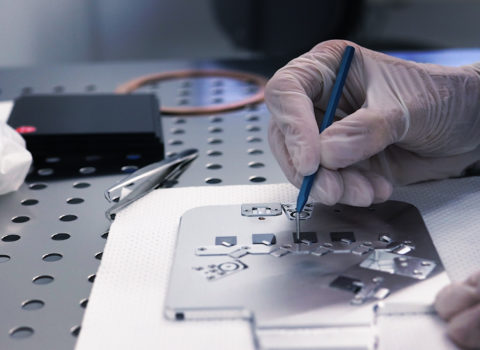
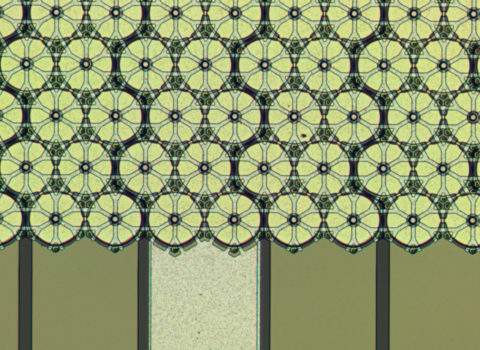
The project led to the production of a first set of components (with plans to reproduce a limited number of units) designed to replace an entire section of the mass spectrometer’s fluidic system with a coin-sized microdevice. This miniaturization makes it possible to rethink the instrument’s architecture, reducing its size and complexity and opening up new possibilities for developing more compact and easily transportable systems.
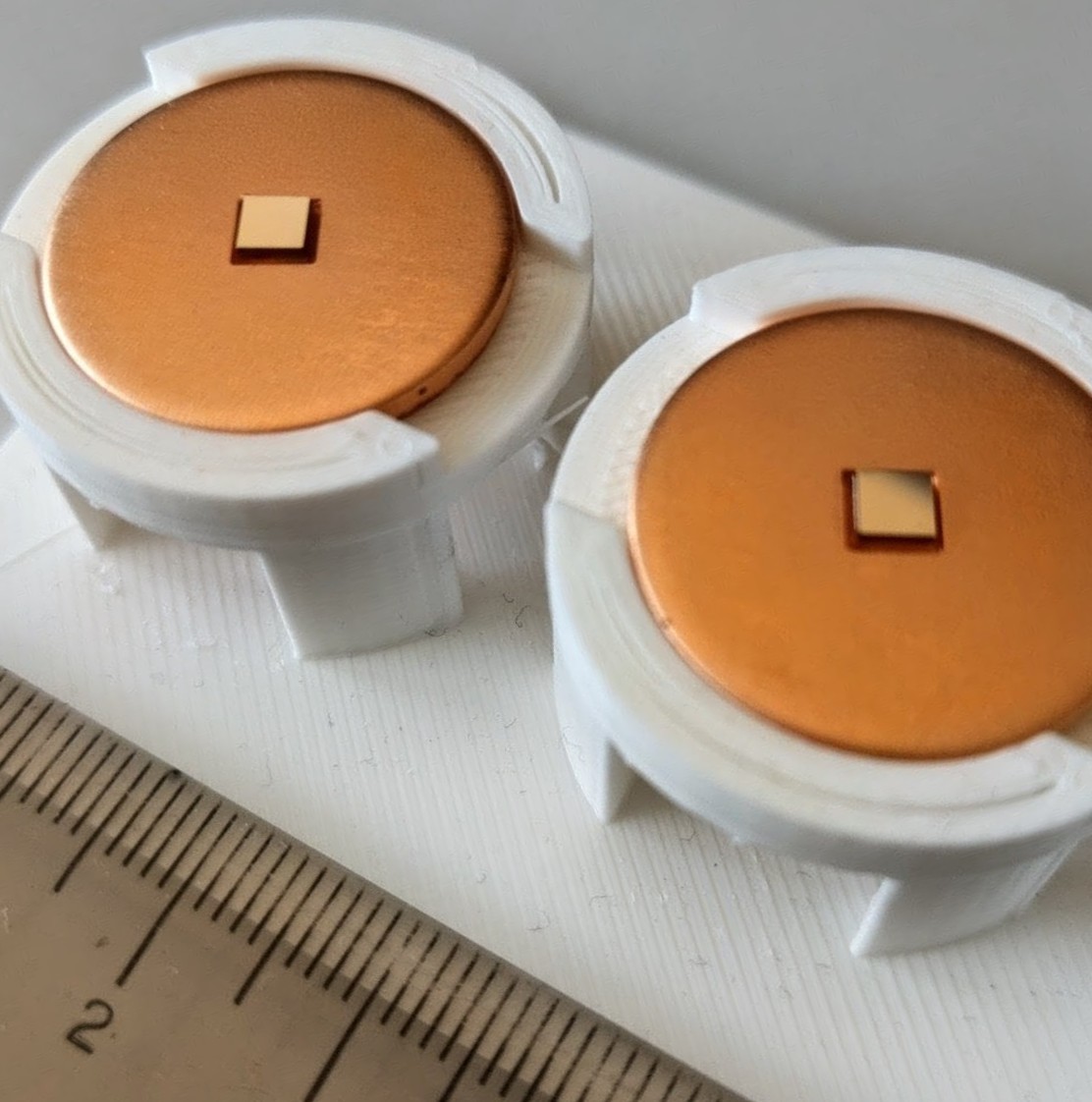
“This project demonstrates how the Foundation can leverage the dual nature of its microfabrication laboratories, which are dedicated to research and development on the one hand and are certified and suitable for the small-scale production of components based on technologies developed in-house on the other. In this way, we can contribute to the development of high-tech devices while providing our partner companies with the support they need in the component supply chain for initial production runs. Collaboration with companies is particularly effective in highly innovative market sectors, where these initial series are essential for demonstrating the validity of the technology directly in the field and giving it visibility,”Alvise Bagolini, senior researcher at FBK’s Center for Sensors & Devices, said.
For NanoTech Analysis, the collaboration with FBK made it possible to move from design to fabrication of the component. For the Foundation, it represents a concrete example of the role its Clean Rooms can play in supporting industrial innovation: not only as research infrastructure, but also as a technological platform capable of developing microfabrication processes, creating prototypes, and producing small series of high-tech devices.
The author/s
-
 Alvise Bagolini
Senior researcher within Trento-based Fondazione Bruno Kessler (FBK), at the Center forSensors and Devices
MORE INFO
Related articles