
FBK approves record budget again for 2026
December 12, 2025
More than €100 million will support infrastructure expansion and talent attraction. Fondazione Bruno Kessler continues to focus on talent, partnerships, and technology transfer to shape the future of innovation. The next institutional and benchmarking event will be held in February in Bologna.
Over the past year, FBK has significantly strengthened its growth trajectory, confirming—for 2026 as well—the achievement of a €100 million budget, further reinforcing its economic and financial stability.
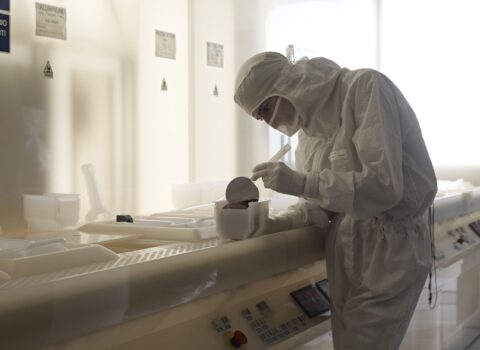
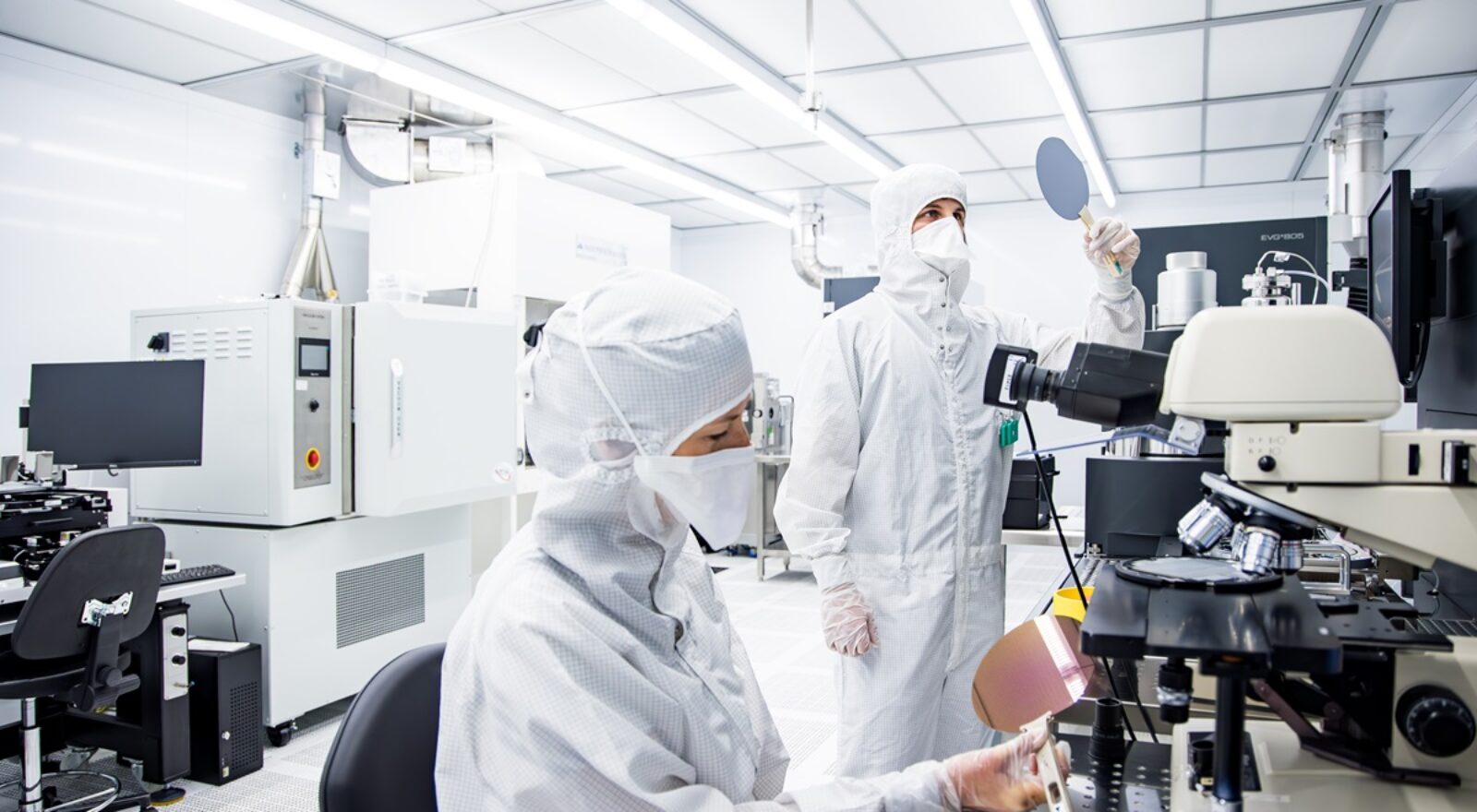
This exceptional result ensures continuity in project activities and strengthens FBK’s ability to attract resources in highly strategic sectors. These efforts have enabled an unprecedented expansion of the Foundation’s research infrastructure. Thanks in part to European funding from the IPCEI project, FBK’s Clean Rooms—its micro- and nanotechnology laboratories—will be expanded under an ambitious plan designed to address emerging challenges more effectively and pursue increasingly ambitious goals. Once construction is completed in 2027, the facility will be among the largest Clean Rooms in Europe.
This growth is accompanied by an increase in researchers and staff at Fondazione Bruno Kessler. From 2022 to 2025, FBK recorded steady workforce growth, with an average annual increase of 10%. In four years, staff numbers rose from about 640 in 2022 to more than 900 in 2025, with further growth expected in 2026. Progress toward a more balanced gender distribution has also continued, with women now representing about one-third of staff, a figure that is gradually increasing.
The rise in the number of doctoral students has been particularly notable, increasing from 135 in 2022 to more than 170 in 2025—an overall growth of 27%. This trend highlights the Foundation’s ability to attract young researchers, invest in advanced training, and contribute to the development of skills that will support research in the years ahead.
Within this framework, FBK is pursuing a strategy focused on talent development through its Talent Development Program, with a strong emphasis on strengthening doctoral programs and other initiatives developed in collaboration with Italian universities and key players in the research system. Following the launch of agreements with the Universities of Trento, Padua, and Bologna, as well as Politecnico di Milano, these partnerships will continue in 2026 with additional leading Italian institutions.
Participation in PNRR programs has been a decisive factor in FBK’s growth in recent years, enabling the development of high-impact projects and consolidating the Foundation’s role as a qualified partner in national innovation processes. The resulting synergies have created new development opportunities while ensuring full compliance with reporting requirements. In light of the current context, FBK has already begun a necessary reflection on its future in the post-PNRR phase and on continued participation in the centers and initiatives that emerged from this experience.
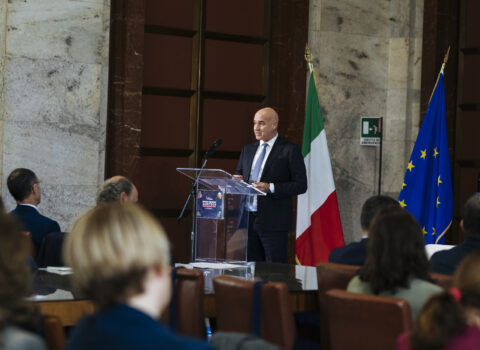
“Today the Board approved a 2026 budget exceeding €100 million. Maintaining this level for the second consecutive year shows that FBK has achieved strong structural stability and attractiveness,” FBK President Ferruccio Resta said. “We are moving forward decisively, building on what has been achieved through targeted investments in research infrastructure and, above all, in human capital. This is why we have made the strategic choice to enter into framework agreements with leading universities and companies: strong ties with universities are essential to attracting top talent, improving the quality of our research, and—working with industry—translating it into tangible impact for the country.”
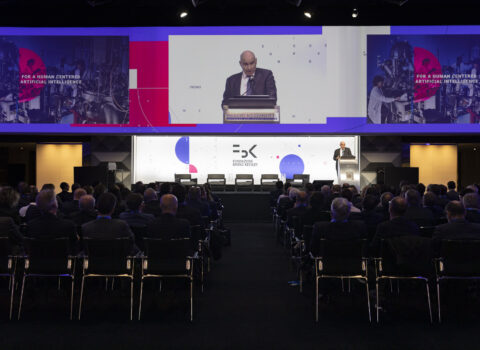
FBK also remains committed to fostering strategic reflection and giving voice to emerging needs in the relationship between research and industry. In this context, the Foundation’s annual meeting will be held on February 9 in Bologna, at Tecnopolo Dama. The 2026 edition, titled “For a Human-Centered Future. Research and Industry for the Europe of Tomorrow,” will serve as an important forum for dialogue among the scientific community, industry, and institutional stakeholders.
The author/s
-
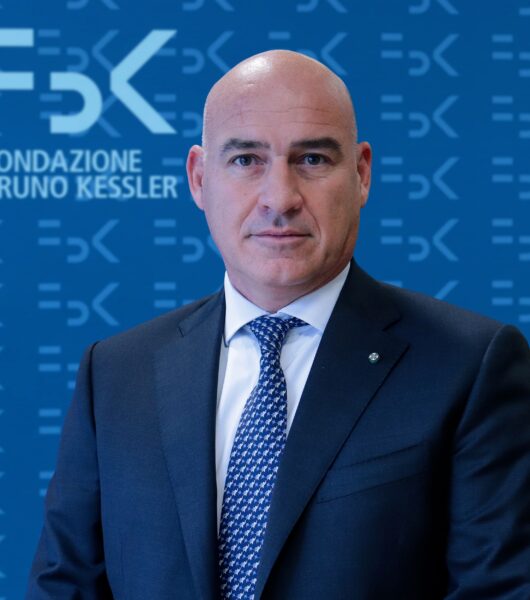 Ferruccio Resta
FBK President, appointed on April 28, 2023
MORE INFO
Related articles