
Passion for wildlife conservation
August 28, 2026
A conversation with Vandita Shukla, a researcher in the 3DOM Unit who came to FBK through the WildDrone project: the new frontier of engineering that protects nature. Originally from India, she has found fertile ground in Trento to specialize and pursue her interests
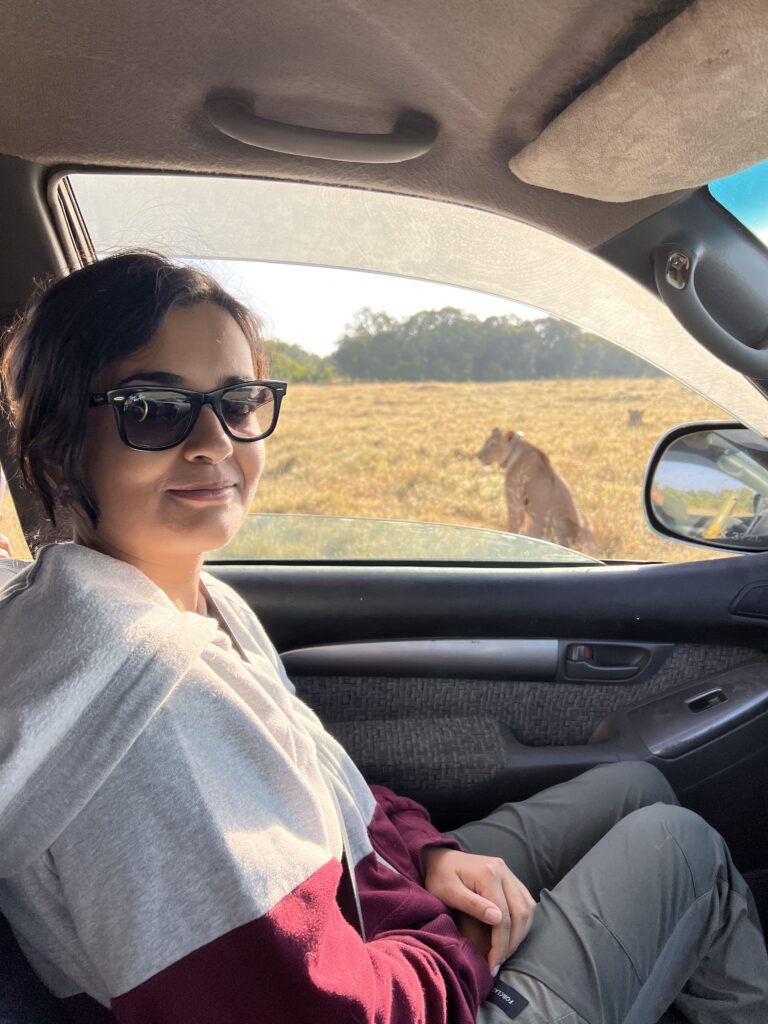
Shukla holds a Bachelor of Technology in Computer Science from the University of Delhi and a master’s degree in computer vision, graphics, and image processing from UCL in London. Raised in the state of Assam, in northeastern India, she has always been close to nature and animals, for which she has a deep curiosity and passion.
“As a child,” says Shukla, “my dream was to join a wildlife protection organization or start my own small initiative to help feed stray animals in India.”
She had never imagined a future in research.
Challenges and rewards of fieldwork
When she learned about the WildDrone project, she decided to take part, pursuing her PhD at FBK because she saw it as a way to bring together her two greatest passions, engineering and the natural world, creating unprecedented synergies.
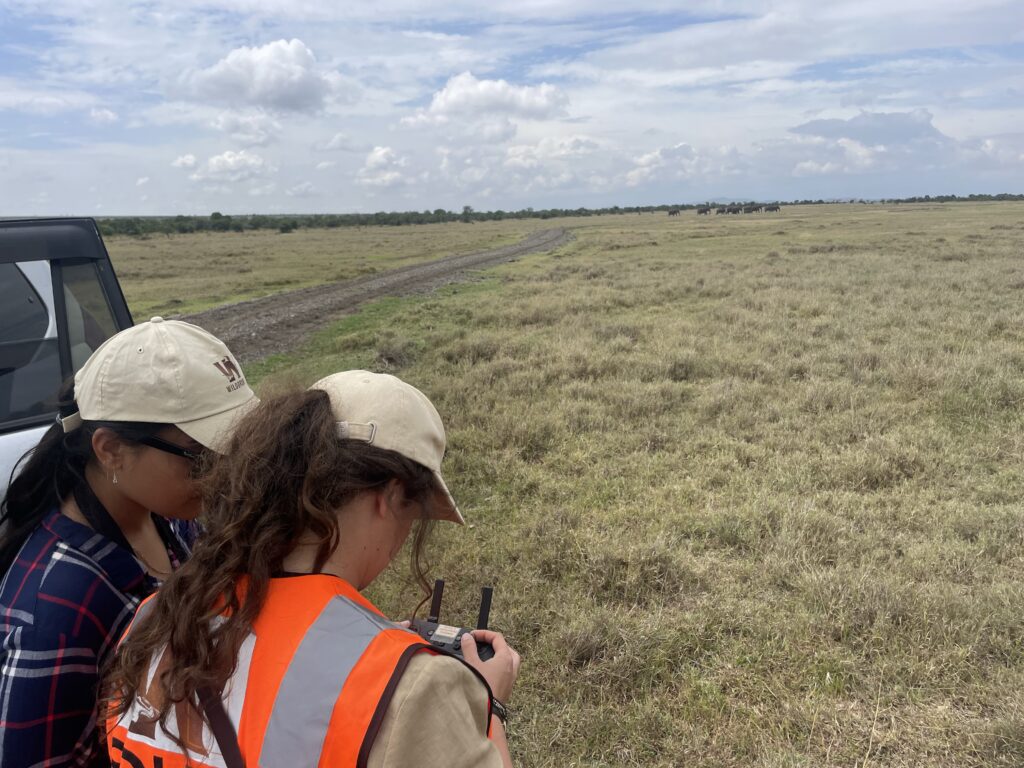
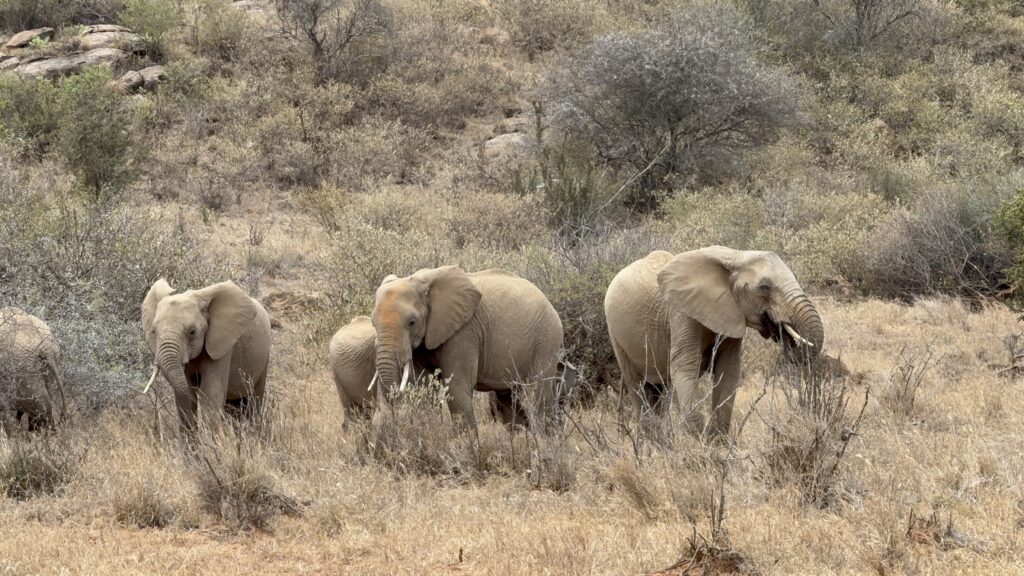
The project involves tracking animals with drones and then analyzing and understanding their behavior, distinguishing and classifying different species, and monitoring populations and mass movements.
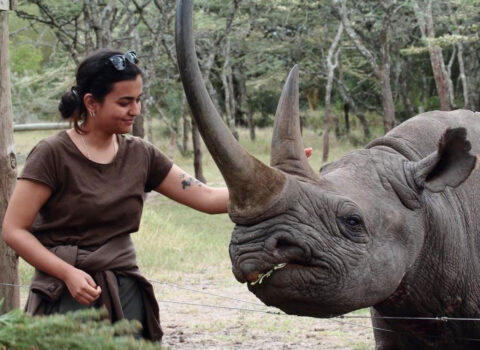
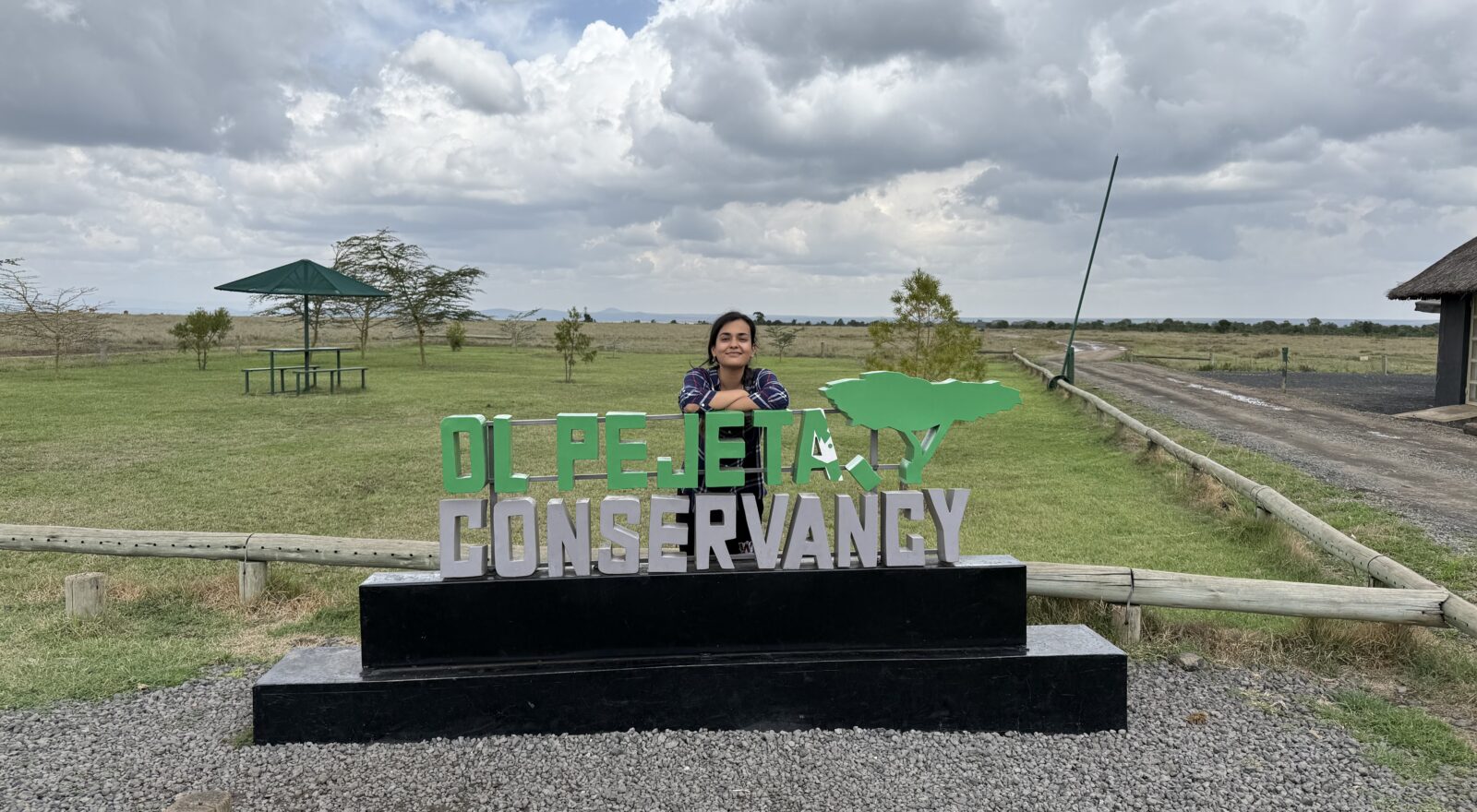
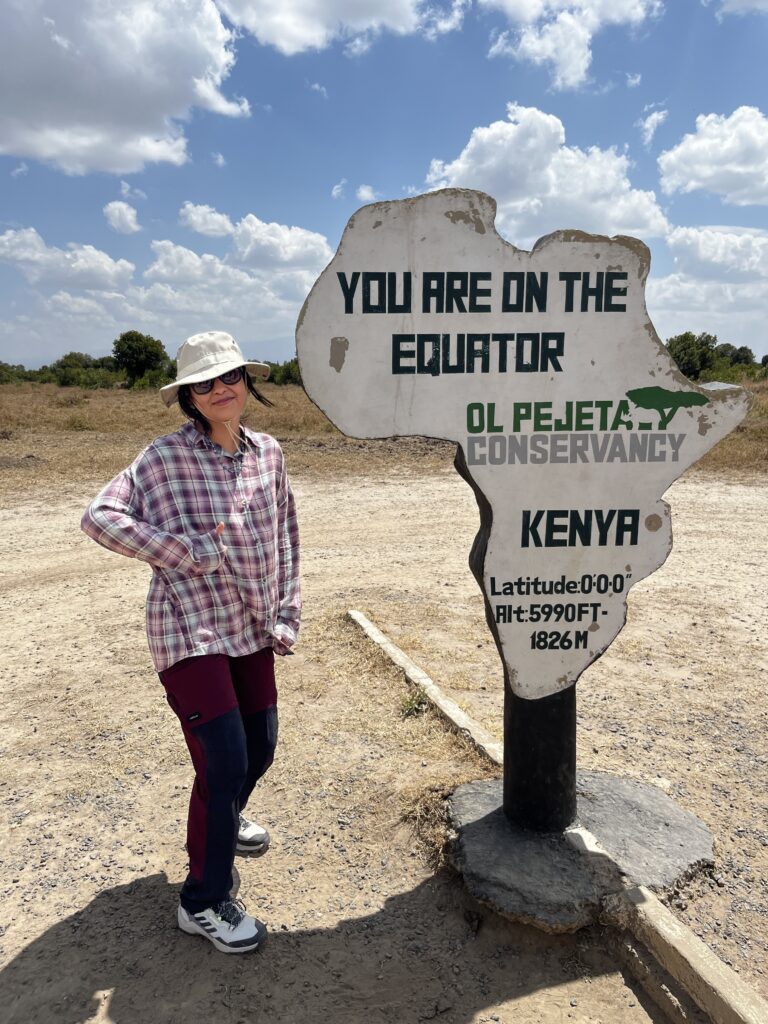
“The WildDrone project,” Shukla says, “was an opportunity to connect with many international partners, such as the Ol Pejeta Conservancy in Kenya, and to work directly in the field.”
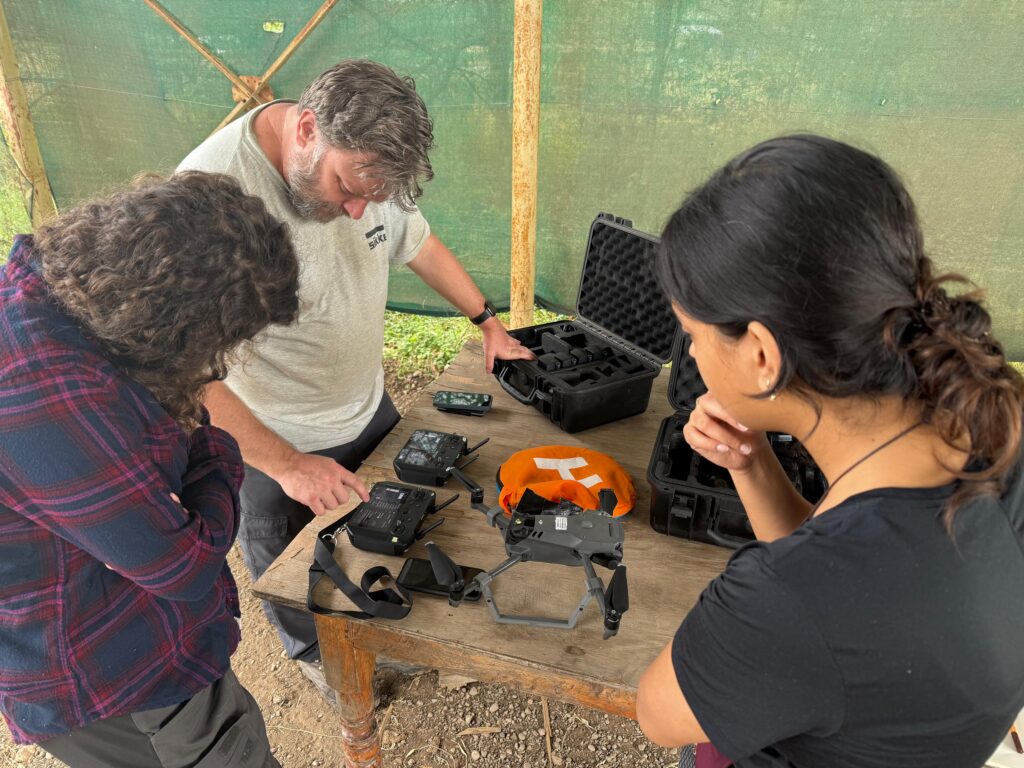
The fieldwork particularly surprised and excited Shukla, who was used to working in an office behind a computer. Through the “WildDrone Hackathons,” PhD students from different disciplines tested solutions and collected data together.
For this reason, Shukla explains, “we wanted to create solutions that took into account the conditions of fieldwork, where high computing power is often unavailable. In other words, solutions that can be implemented in parks. The sense we relied on most was sight, although we are still trying to create a multisensory mode of observation that also uses smell and hearing.”
“My work,” Shukla adds, “is mainly based on data collected through photographic sensors (RGB) mounted on drones. It is difficult to bring drones to Kenya because of the strict regulations in place and the importance the country places on wildlife conservation; for this reason, we used drones equipped with simple cameras.”
Shukla describes how much she enjoyed working closely with experts from other fields, such as biologists and ecologists, from whom she had the opportunity to learn a great deal.
“The first and most important challenge I had to face,” Shukla adds, “was the interdisciplinarity required by the project, which involved a wide variety of scholars who were called upon to collaborate and discuss issues from the perspectives of their respective specializations.”
The initial difficulties in understanding one another, due to the complexity of the initiative, were addressed effectively and enthusiastically thanks to a shared purpose: protecting nature.
Collaboration, the beating heart of open science
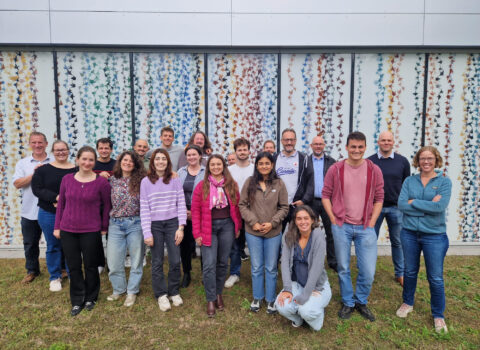
At FBK, Shukla immediately felt welcome, and it was easy for her to settle in and get to know her colleagues, who were all available and ready to help her.
“There is no competition, only collaboration: it is not about your own research, but about science in general. The ultimate goal for everyone is to achieve scientific progress, to innovate. The focus is therefore on creating something that helps other researchers in their work. Collaborating means having more ideas to share and more resources for improvement.”
Now that her doctorate is nearing its end, due to conclude at the end of the year, Shukla feels she is in a completely different place from where she started: she is ready to explore more deeply the ideas she developed during her doctorate and now wants to pursue, having acquired structured expertise and new skills.
Unlike what she had thought before she started, when she imagined moving into industry, she now wants to remain in research and in the application of technologies for biodiversity conservation, while keeping all options open.
“My research,” Shukla explains, “explores how drone images and 3D technologies can support wildlife monitoring and conservation. I develop methods to better understand where animals are, how they move, and how they appear from above in order to recognize individual animals, transforming visual data into useful information for ecologists studying behavior and populations. More generally, I am interested in creating practical and accessible tools that bridge engineering and ecology, improve the way wildlife is observed and identified in the field through visual biomarkers, and contribute to active perception using drones for this purpose.”
Breaking out of the technical “shell”
Scientific innovation today emerges at the intersections between disciplines. Engineers often live in a technological bubble, unaware of the urgent needs in the field, while ecologists may not know the potential of digital tools. “An anecdote from the project,” Shukla adds, “illustrates this gap: a fellow ecologist had been looking for a solution for animal tracking for some time; after discussing it with a drone expert on the team, the problem was solved when the expert created a prototype of a dedicated tool in just a few hours. This knowledge gap can only be bridged by stepping out of one’s shell. Dialogue between those who understand animal behavior and those who know how to program a machine is the only way to transform seemingly insurmountable challenges into immediate, low-cost solutions.”
A drop in the ocean
The goal is not to impress fellow engineers, but to provide rangers and biologists with tools that actually work in the middle of the African night. As a result, the technology used becomes a quiet yet indispensable tool. Every optimized algorithm and every hour spent in the field is a drop in an ocean of collective efforts to stop mass extinction.
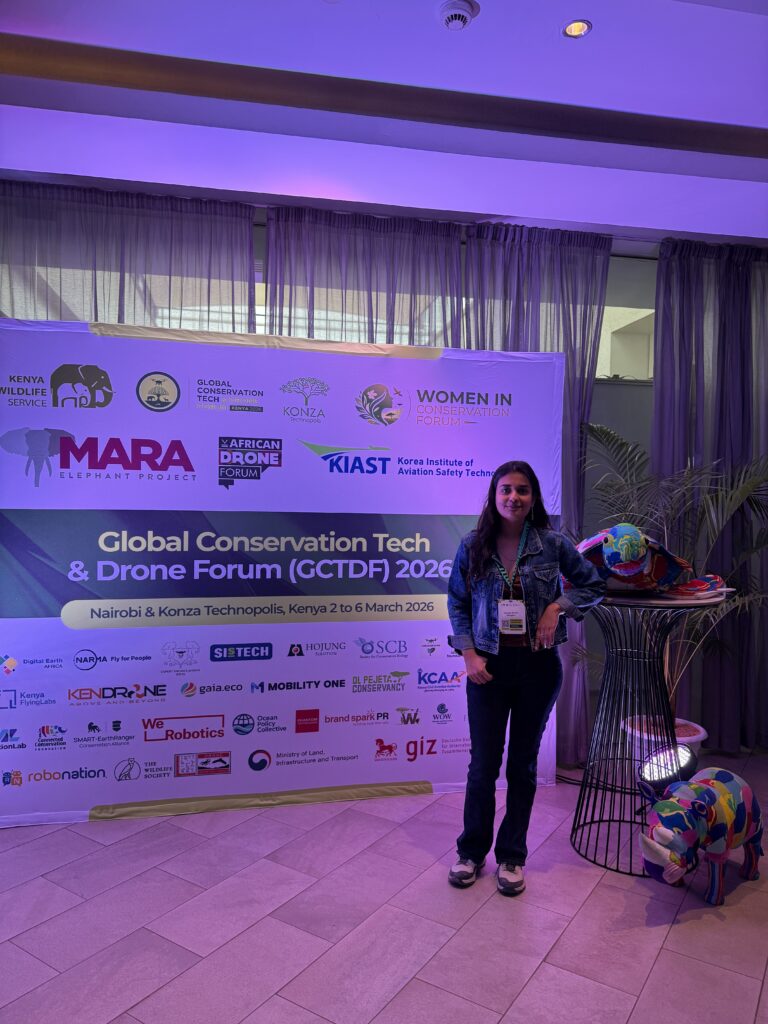
Looking to the future, Shukla is moving toward creating tools to help ecologists and, more generally, fostering dialogue and collaboration between different disciplines. In this regard, conferences at the intersection of ecology and technology, such as the one held in Peru (International Conservation Technology Conference – ICTC 2026), are valuable opportunities to network, engage with emerging trends, and build new opportunities.
Life as a PhD Student
Shukla describes her experience as a doctoral student: “Doing a PhD was challenging but very fulfilling: the project became the center of my life, and I couldn’t think about anything else. It definitely changed me as a person and improved my life because I learned so much, both from the research and from my colleagues. The journey was really difficult but rewarding, thanks in part to the environment in which I worked: at FBK, I learned how to approach challenges in the best possible way. It is a great and welcoming place, full of helpful people, where I settled in easily right from the start.”
A nomadic journey
“Thanks to the project funded by the European doctoral program Marie Skłodowska-Curie Actions, I have traveled a lot and lived intensely: India, the United Kingdom, Italy—a ‘nomadic life.’ Everything I have learned and the cultures I have absorbed have made me the person I am today. I felt more Indian only after I left India; now I feel more like a citizen of the world, but at the same time, more Indian.”
This article was written in collaboration with Matilda Zancanaro, a student at the “Prati” High School in Trento, as part of her school-to-work internship at FBK in June and July 2026.
The author/s
Related articles