SUPERTIMBER: Innovation combining research, industry, and sustainability
June 19, 2026
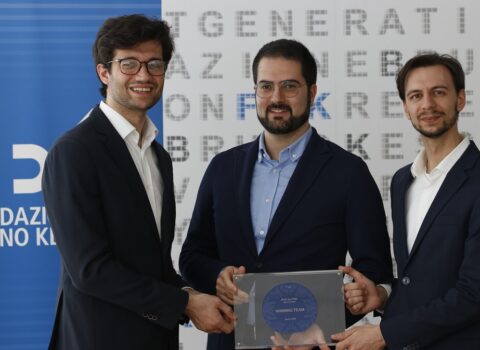
Developed by Fondazione Bruno Kessler and the Trentino-based company X-Lam Dolomiti, it is made from ultra-light wood transformed into a high-performance, low-environmental-impact material that is stronger than steel.
SUPERTIMBER is the result of a collaboration that successfully combined entrepreneurial vision with scientific rigor. Developed through the joint efforts of Fondazione Bruno Kessler and X-Lam Dolomiti—a Trentino-based company with extensive expertise in the production of structural wood panels and the development of high-performance building solutions—the project represents a concrete example of how research and industry can work together to develop innovative solutions capable of creating new market opportunities. Years of research on biomaterials have led to the identification of a sustainable alternative to traditional materials without compromising performance. The result is a new enhanced natural material with applications across a range of sectors, from construction and musical instruments to ultra-light, high-performance skis and new paradigms for sustainable mobility.
At the core of the innovation is Paulownia, also known as Kiri, one of the lightest woods, with a density of approximately 250–300 kg/m³. Among the fastest-growing trees in the world, it can exceed five meters of growth in a single year while absorbing large amounts of carbon dioxide. Starting from this material, researchersat Fondazione Bruno Kessler, together with the X-Lam Dolomiti team, developed SUPERTIMBER through an innovative industrial densification process that is currently being patented.
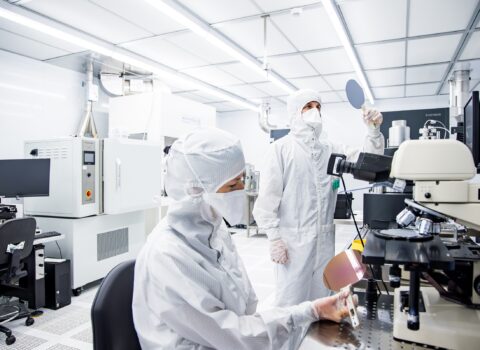
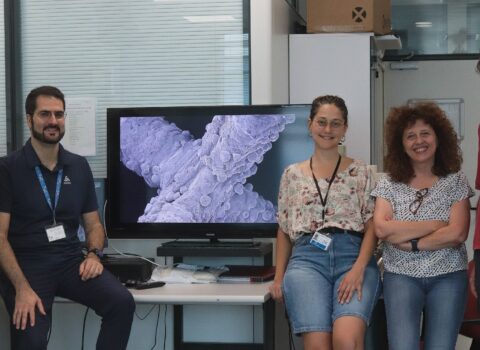
“In recent years, I have seen the project team grow tremendously, maturing not only in its understanding of the material but also in its ability to continually generate new ideas and, through them, promote technology transfer to X-Lam Dolomiti,” said David Novel, researcher and head of the Sensor, Packaging & Integration (SPIN) unit within FBK’s Center for Sensors & Devices. “Research on SUPERTIMBER,” Novel continues, “has been a long journey involving prototypes, tests, and failures, with several thousand samples analyzed. We learned that the most scientifically effective solution is not always the most suitable for industrial implementation. For us, SUPERTIMBER was not only a scientific achievement but also the creation of a working group, a dedicated laboratory, and new expertise capable of connecting research, industry, and sustainability.”
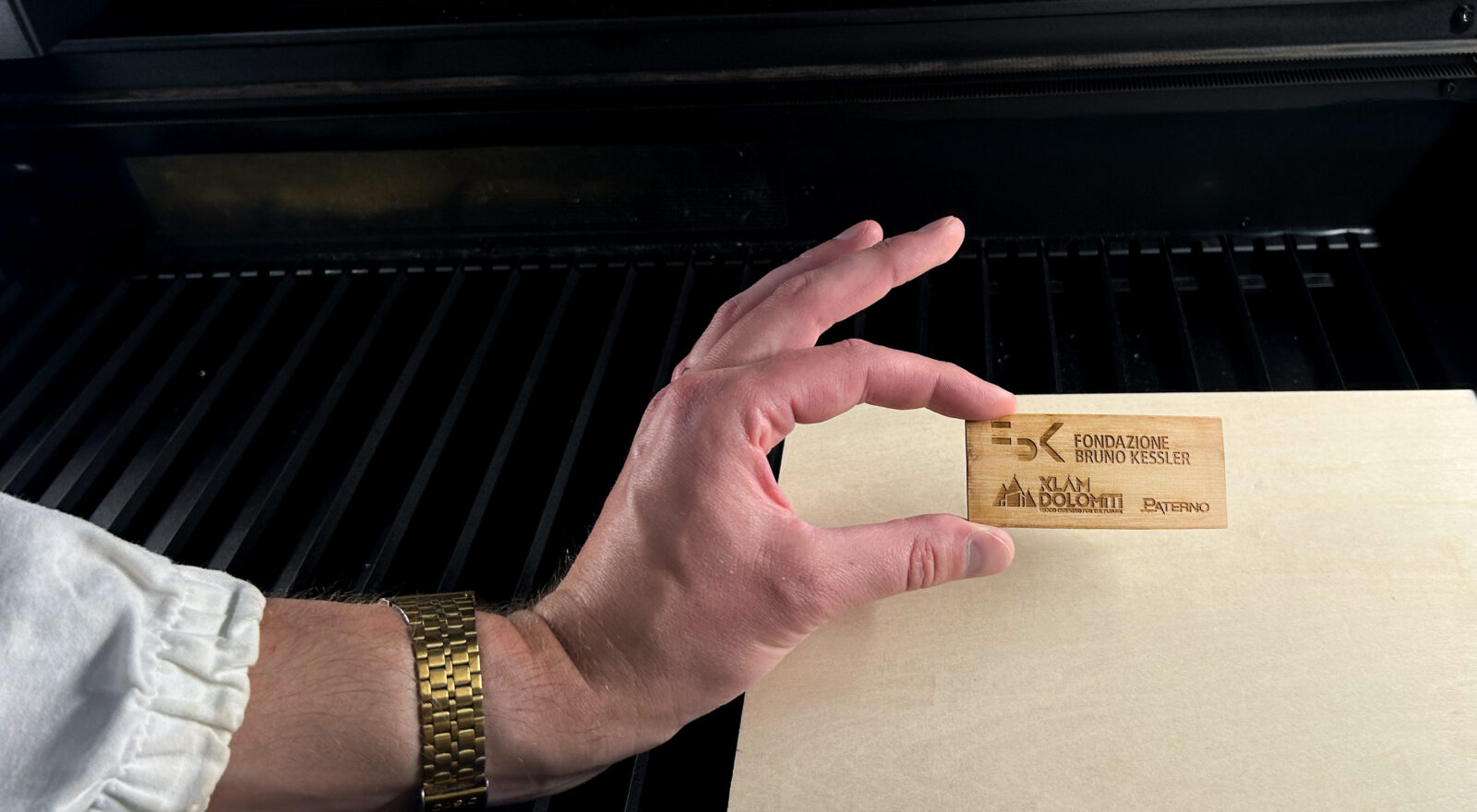
After extensive testing and experimentation, the first board with unique characteristics was produced: a density exceeding 1,000 kg/m³ and the ability to be processed like a conventional material. It also offers specific strength comparable to steel while remaining lightweight. In addition, the material places a strong emphasis on sustainability. Paulownia regenerates without needing to be replanted, and once transformed, the wood continues to store the carbon dioxide absorbed during its growth.
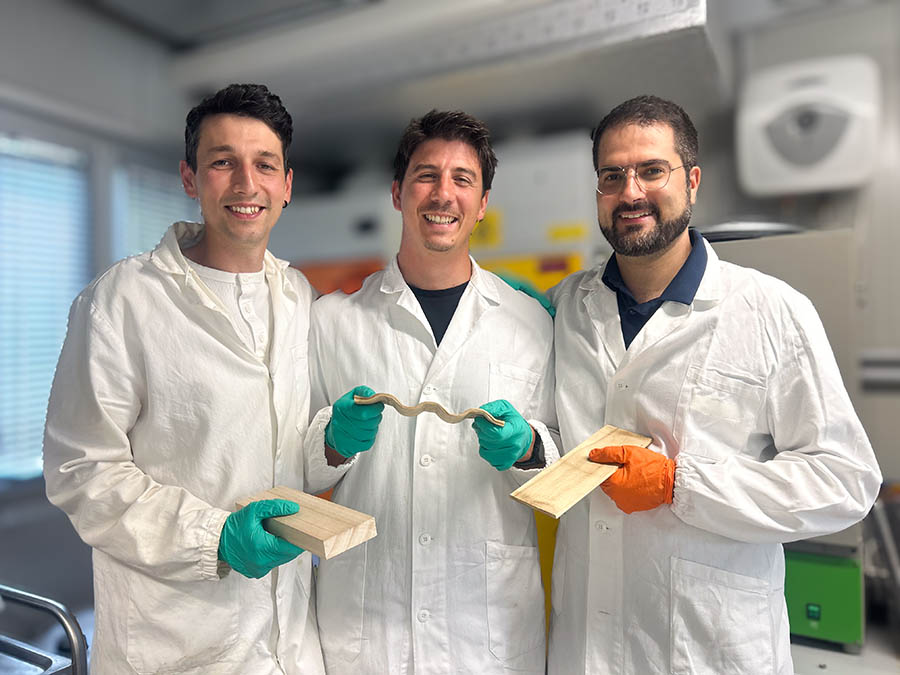
“FBK played a key role from the earliest stages of the project, providing highly specialized scientific expertise in chemistry, physics, and materials characterization. This knowledge proved essential for validating the initial hypotheses and building a solid scientific foundation around the idea. The synergy between FBK’s scientific expertise and X-Lam Dolomiti’s industrial experience made it possible to address technical challenges through a multidisciplinary approach, accelerating the project’s development,” said X-Lam CEO Albino Angeli. “A distinctive aspect of this collaboration,” Angeli continues, “was the involvement of people. On both sides, we found professionals driven by exceptional expertise, curiosity, and a passion for innovation. This collaborative spirit created value that extended beyond the technical and scientific contributions, fostering an environment that encouraged discussion, knowledge sharing, and the generation of new ideas. It is precisely through the meeting of research and industry, supported by the enthusiasm of the people involved, that it became possible to build such an ambitious project and look confidently toward its future applications. ”
SUPERTIMBER was developed within the SU.PRE.MO project, supported by the Autonomous Province of Trento and carried out by X-Lam Dolomiti in collaboration with FBK laboratories.
A first application was presented at the Fuorisalone in Milan as a demonstration of the material’s potential, in an installation designed by MM Design. Its characteristics—lightness, strength, and a negative carbon footprint—make it a potential alternative to metals in numerous applications, opening opportunities that extend beyond design and into construction and industrial manufacturing.
The author/s
Related articles