

Technology and autism: new tools for a more independent life
April 6, 2026
Editorial by Elio Salvadori, published in the newspaper L’Adige on the occasion of World Autism Awareness Day, April 2, 2026
In Italy and Europe, many people with autism and their families face complex challenges every day, from managing social relationships to pursuing greater autonomy. It is estimated that there are about 5 million people on the spectrum in Europe, with very different needs: some have difficulty with verbal communication, others struggle to handle unexpected situations, and still others experience significant sensory overload. Families often carry a heavy burden—balancing therapy, school, work, and daily life—with resources that are not always adequate. In this context, digital technologies are not a magic solution, but they can make a meaningful difference.
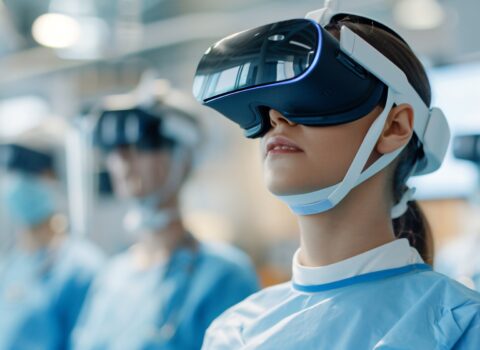
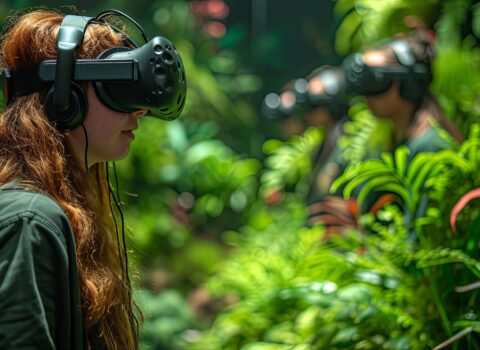
One of the most promising areas is virtual reality and so-called serious games. Simulating real-life situations—taking a bus, shopping, attending a job interview, managing a conflict with a colleague—in a safe, controlled environment allows autistic individuals to practice without the pressure and anxiety of real-world exposure. Mistakes have no consequences, the pace is customizable, and each session can be repeated as often as needed. This approach has proven especially effective with adolescents and young adults, a group often overlooked by traditional therapeutic pathways, which tend to focus on early childhood.
At the same time, practical tools for everyday support are becoming more widespread: augmentative and alternative communication (AAC) apps for those who have difficulty with verbal language; sensory monitoring systems that help identify and manage overload; and digital platforms that support caregivers with resources, visual routines, and planning tools. Home automation and wearable devices are also opening new possibilities—for example, by detecting signs of agitation before they escalate into crises or by supporting the independent organization of daily activities. These technologies are not meant to replace human interaction or traditional therapy, but to complement them with flexible, accessible tools that can be tailored to individual needs.
In this context, Fondazione Bruno Kessler (FBK) in Trento offers a concrete example of how research can be translated into practical solutions.
Through the XR4A (Extended Reality for Autism) project, FBK developed, in collaboration with Cooperativa Albero Blu, a virtual reality environment in the form of a serious game designed to train the social skills of neurodivergent children through everyday scenarios. Positive results led to the creation of the spin-off MEEVA, now working to turn this solution into a viable digital therapy. More recently, FBK has been leading the European GameOn project, funded under the Erasmus+ program, involving partners in Latvia, Spain, and Serbia. GameOn explores how digital games—including appropriately adapted commercial titles—can support autonomy and well-being in young adults with autism. A distinctive aspect of the project is the direct involvement of autistic individuals in the co-design phase, with materials and resources made available as open source to encourage reuse across Europe.
The real challenge, however, is not only technological but also cultural. Too often, technologies for disability are designed for people without truly involving them in the process. The co-design approach—where end users are active participants in development—remains the exception rather than the norm. Yet it is precisely this approach that produces the most effective tools: those that address real needs, use accessible language, and feature interfaces designed for the people who will actually use them. Investing in inclusive technology also means investing in a more equitable society—one that recognizes and values neurodiversity as a resource, not as a problem to be fixed.
The author/s
Related articles