TERRAE: the European project for the future of rural communities led by FBK
September 3, 2026
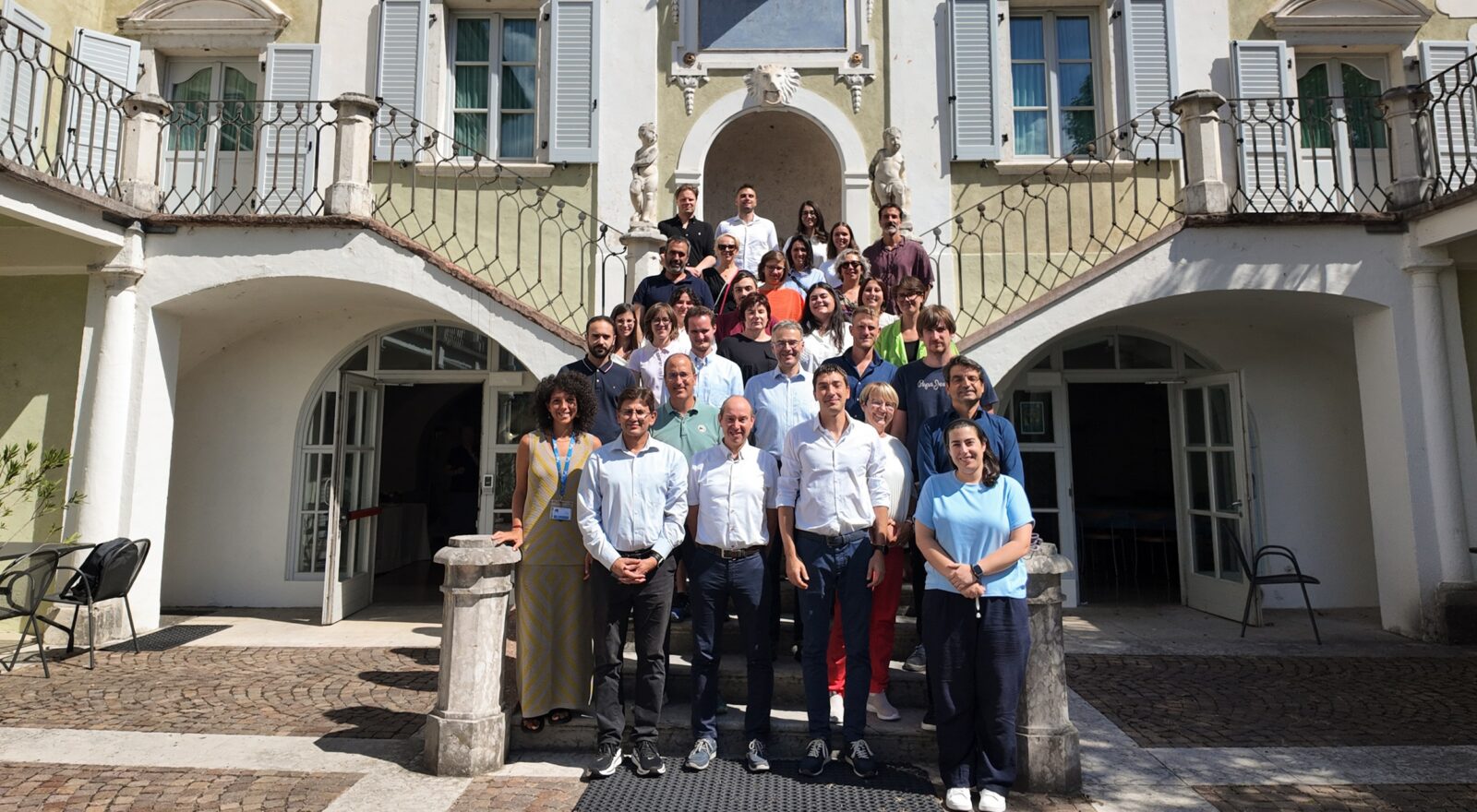
Seventeen organizations from eight countries to develop new digital tools to serve rural areas. Among the five areas involved in the experimentation are the Giudicarie Valleys, in Trentino, where the project will connect climate change, forest management, labor, and the local economy with the involvement of the Autonomous Province of Trento.
TERRAE, a new European project aimed at helping rural communities address some of the major environmental, social, and economic changes expected in the coming years, is getting underway. From depopulation to the effects of climate change, from the availability of workers to the management of natural resources: the goal is to understand how different phenomena influence each other and offer communities and administrators tools to evaluate possible solutions.
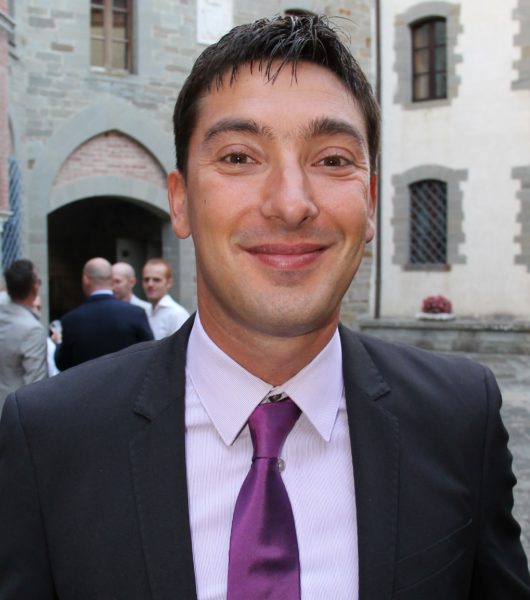
“FBK coordinates the TERRAE project by applying the strong expertise of the Center for Digital Society and the MoST research unit on the Digital Social Twin to the rural environment, and in particular to agriculture and forest management. It was very important to involve the Autonomous Province of Trento in order to promote the impact of research in the area and strengthen the system of interventions to safeguard the ecosystem resources unique to the Giudicarie Valleys,”Matteo Gerosa, FBK Project Manager and coordinator of the TERRAE project, said.
Understanding today the consequences of tomorrow’s choices
TERRAE starts from the idea that complex and changing phenomena cannot be addressed separately. The project will develop a digital representation of the areas concerned through a digital twin capable of combining information about the environment with data relating to people, economic activities, and society. Thanks to data, artificial intelligence, and three-dimensional representations, it will be possible to observe how different phenomena interact and, above all, compare possible future scenarios.
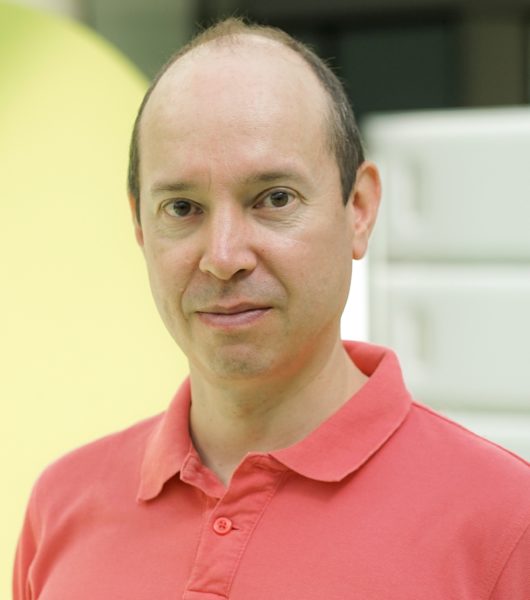
“A digital twin builds a dynamic representation of an area, capable of predicting how it could evolve based on the policies and interventions that it decides to adopt,” Marco Pistore, head of the MoST research unit at FBK’s Center for Digital Society, said. “In a rural area this means, for example, simulating how a new agricultural practice or a different approach to forest management interacts with depopulation, access to services, or climate risk, before even implementing them in the area. It is a tool that allows administrators and communities to propose a wide range of hypothetical scenarios; to analyze them thanks to artificial intelligence and to visualize them thanks to 3D representations; and, in this way, to make more informed decisions about the paths to follow.”
From technologies to local communities: five pilot cases
TERRAE will test this approach in five European rural areas, chosen to represent different geographical, climatic, environmental, and social conditions. The case studies will include mountain, forest, and coastal areas in Spain, England, Italy, Slovenia, and Greece, addressing concrete problems related to agriculture and forest management in these countries.
The diversity of the five areas will be key to understanding whether the tools developed can adapt to communities with different characteristics and needs and, in the future, be used in other European rural regions.
Communities will play a direct role in the experimentation: researchers and developers will work together with administrations, operators, and other local stakeholders so that the solutions respond to real problems and needs.
In Trentino, a new perspective on forest management
One of the five case studies will be carried out in the Giudicarie Valleys, where TERRAE will focus on forest management and a problem that clearly shows how closely the environment, economy, and society are connected.
Climate change can promote the spread of pests that damage trees and reduce the quality of timber. The loss of economic value can make work in the forestry sector, already affected by depopulation and a shortage of qualified personnel, less attractive. A lower availability of workers in turn makes it more difficult to carry out forestry works and remove damaged trees, potentially favoring the further spread of pests. TERRAE will allow to observe these different aspects together.
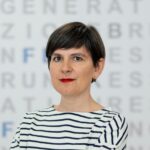
“The Trentino pilot focuses on the need to make the forest system more resilient to the environmental and socioeconomic challenges that today put it to the test, from climate change to the spread of pests, as well as the difficulty of finding workers. Through data, sensors, and digital models, TERRAE seeks to connect forest health, timber production, and economic dynamics, offering public administrations and local operators practical tools to anticipate risks and make more informed and sustainable decisions,” Alessia Torre, FBK Project Manager within the TERRAE project.said.
The ultimate goal is to develop tools that can be used beyond the five areas involved in the project, helping to make European rural areas more livable, sustainable, and resilient to change, while enhancing the knowledge and participation of local communities.
The author/s
Related articles