
CVTS 2026: Computer vision excellence returns to Trento
May 20, 2026
A day of discussion among researchers, industry professionals, and students on the latest frontiers of machine vision, hosted at Fondazione Bruno Kessler for an international event.
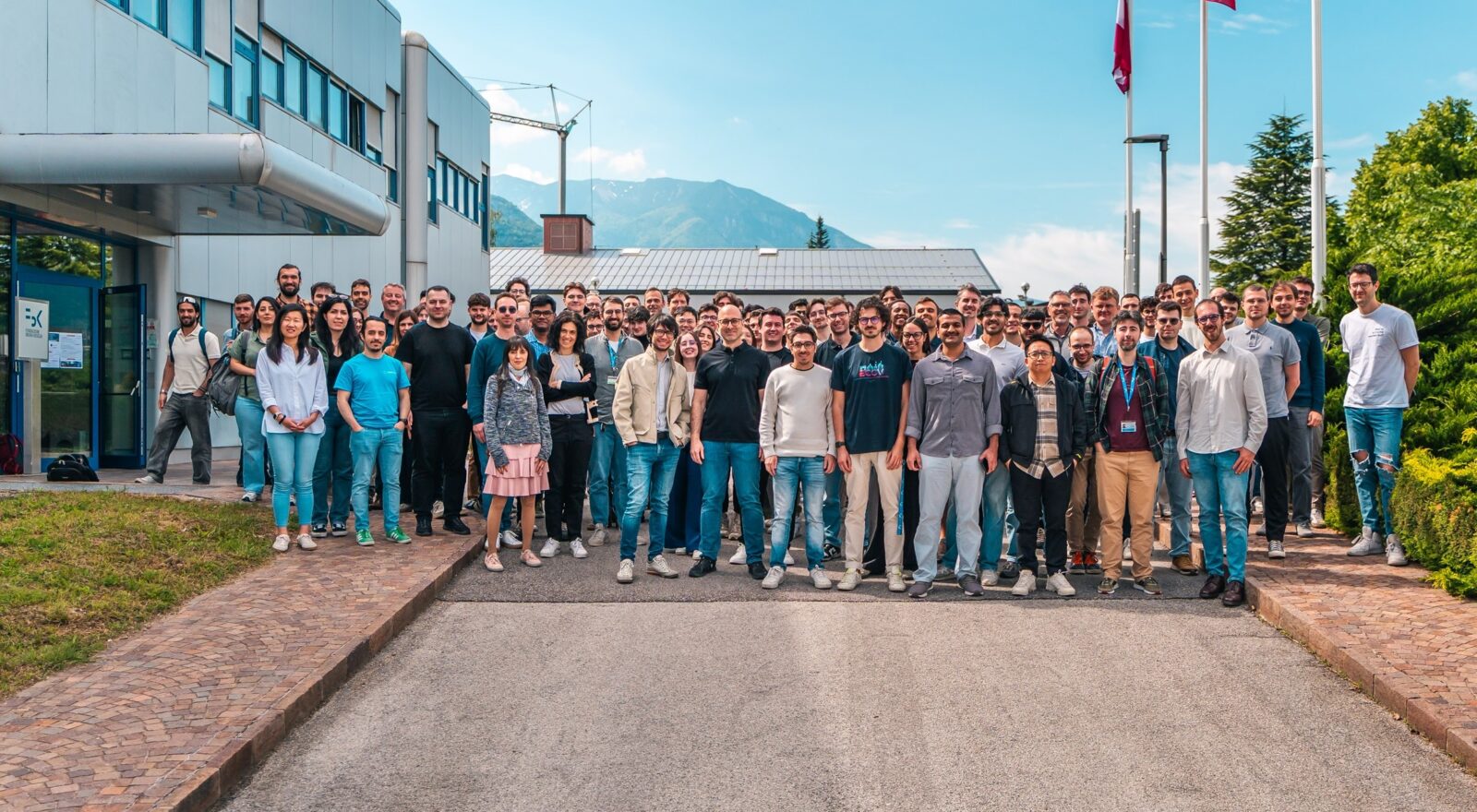
The Computer Vision Trento Symposium (CVTS) took place on May 20, 2026, at the Povo hub of Fondazione Bruno Kessler (FBK). Now a well-established event within the local scientific community, the symposium brought together more than 130 international researchers, confirming its role as a key meeting point for professionals and scholars working in the field of computer vision.
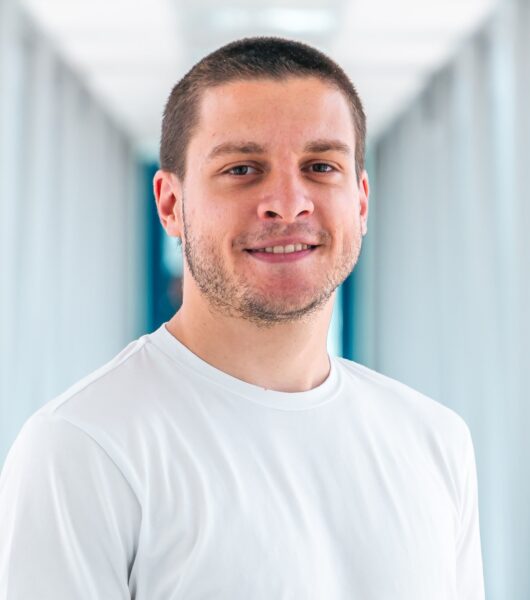
The event was organized by Fabio Poiesi, Sergio Povoli, and Luigi Riz from the Technologies of Vision (TeV) unit, together with Davide Talon from the Deep Visual Learning (DVL) unit, both at FBK. The symposium aimed to foster discussion and exchange around some of the most recent and impactful innovations in visual artificial intelligence.
As in previous editions, the program focused on 17 outstanding scientific papers that will soon be presented at the prestigious IEEE/CVF Conference on Computer Vision and Pattern Recognition (CVPR 2026), taking place in Denver from June 3–7, 2026. The featured contributions highlighted both the exceptional competitiveness of Italian research groups on the international stage and the central role of the Trento ecosystem in AI research in Italy.
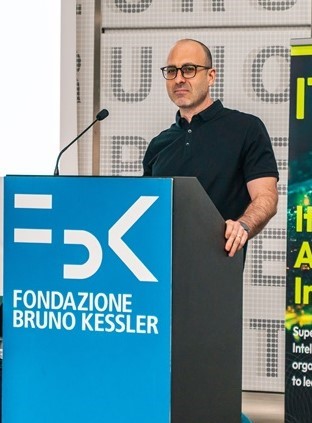 “This symposium was created to provide a space for sharing ideas and encouraging discussion within the Italian computer vision community, while maintaining a high scientific standard in an accessible and collaborative environment,” said Fabio Poiesi, founder of the initiative. “At a time when industry needs rapid innovation to remain competitive, scientific research is no longer just an academic exercise — it has become the driving force behind this transformation. Only through solid frontier research can companies find the technological solutions needed to evolve their processes and products.”
In line with this vision, the 2026 edition showcased remarkable collaboration, bringing together presentations and contributions from leading researchers at FBK (TeV and DVL units), the University of Trento (UniTn), the University of Padua (UniPD), the University of Modena and Reggio Emilia (UniMoRe), and the University of Verona (UniVR).
The symposium opened with a keynote speech by Francesco Siddi, CEO of Blender. In his talk, “The Making of Blender,” Siddi offered a compelling overview of how a strong open-source foundation and the support of a passionate community transformed Blender into a global standard for 3D creation. Throughout the day, speakers addressed a range of cutting-edge and highly relevant topics. The six thematic sessions covered generative AI and realistic scene creation, innovative 3D representations, and grounded reasoning, as well as practical applications of Vision-Language Models (VLMs) and advanced transfer learning strategies.
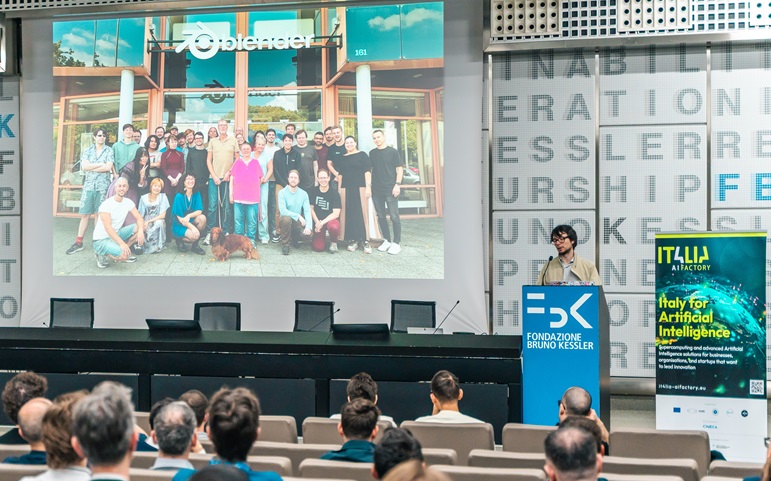
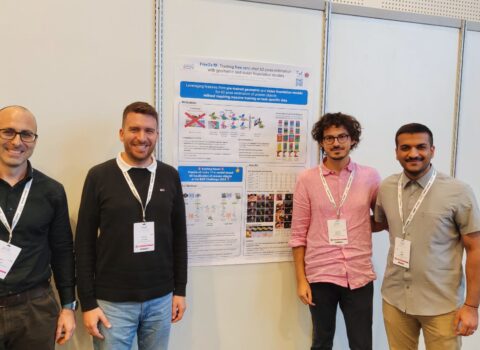
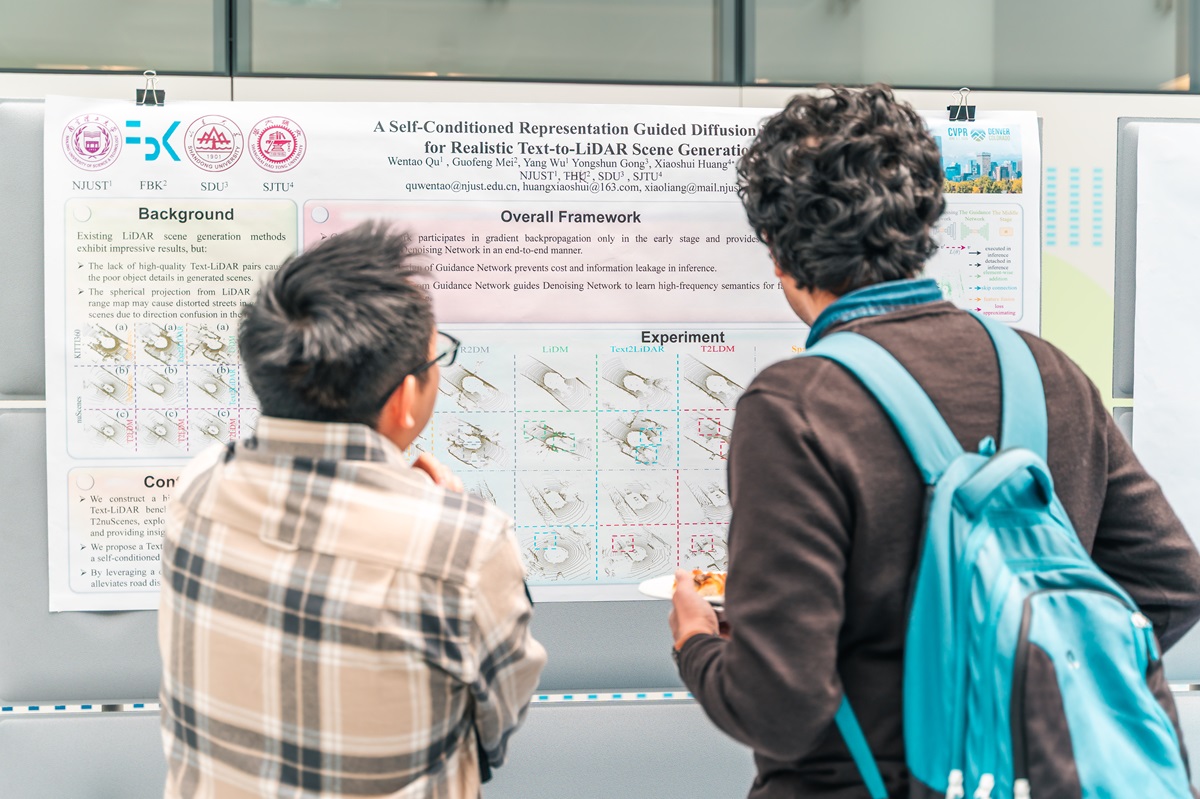
Alongside the presentations, the event also provided valuable opportunities for direct interaction through the poster session.
Coffee breaks and lunch, supported by the IT4LIA AI Factory project, played a central role in encouraging discussion and networking throughout the day. This was no coincidence: IT4LIA AI Factory is an initiative specifically designed to bridge the gap between research and real-world applications by providing advanced HPC infrastructures and services for startups, SMEs, public administrations, and academia. Thanks to this shared vision, these informal moments proved essential for building connections and strengthening the link between theoretical research and the practical applications demanded by industry.
The success of this year’s edition points toward an even more ambitious future, with the ongoing goal of supporting the growth of the community and fostering new and valuable collaborations.
The author/s
-
 Fabio Poiesi
FBK-TEV researcher since 2016 focused on detection and tracking, registration, mapping and 3D modelling, and multi-sensor fusion to enable Augmented and Mixed Reality.
MORE INFO -
 Sergio Povoli
Researcher at Technologies of Vision (TeV) unit, Fondazione Bruno Kessler
MORE INFO -
 Luigi Riz
Researcher at Technologies of Vision (TeV) unit, Fondazione Bruno Kessler
MORE INFO
Related articles