
FBK for Innovation: stories of research becoming innovation
September 7, 2026
Infrastructure, business partnerships, emerging technologies and technology transfer at the heart of the new edition of FBK's LinkedIn newsletter dedicated to innovation
Turning research into innovation means creating the conditions for technologies and skills to meet real needs, be tested and validated, and reach the market. This is the theme of the new edition of FBK for Innovation, the LinkedIn newsletter of Fondazione Bruno Kessler dedicated to the dialogue between research, business, and the innovation system.
Created to show how scientific research can be translated into technologies, applications, and new opportunities for the production system, FBK for Innovation covers projects, infrastructure, collaborations, and technology transfer pathways. The objective is to offer a concrete look at the different steps that allow a research result to leave the laboratory, address real application needs and contexts, and become a usable solution.
The new edition spans very different technological areas, ranging from energy to artificial intelligence and from microfabrication to the Twin Transition, while highlighting a common dynamic: innovation requires advanced research, but also infrastructure for experimentation, multidisciplinary skills, validation capabilities, and continuous collaboration with companies.
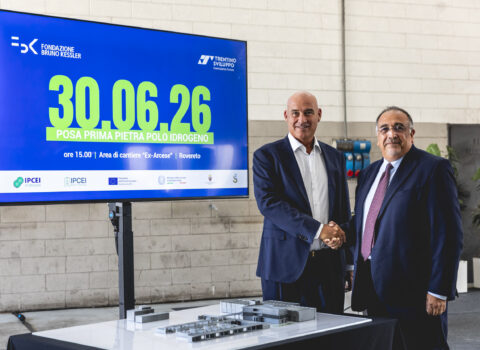
This is the case of the new Hydrogen Hub in Rovereto, designed to develop, test, and validate technologies for hydrogen and batteries, supporting them from the initial idea to the industrial scale.
Laboratories, pilot plants, and testing capabilities up to the megawatt scale will allow technologies to be tested under conditions progressively closer to real-world operations, helping to reduce time and risks on the path to industrialization.
The relationship between technology and its application context is also central when it comes to agentic AI. Bringing an artificial intelligence agent into an organization does not simply mean choosing a technological tool: adequate processes, reliable data, integration with existing systems, governance, and traceability are also needed. These aspects become decisive in the transition from experimentation to a solution that is truly usable and capable of generating value.
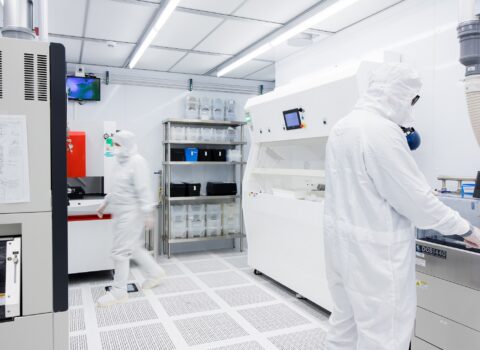
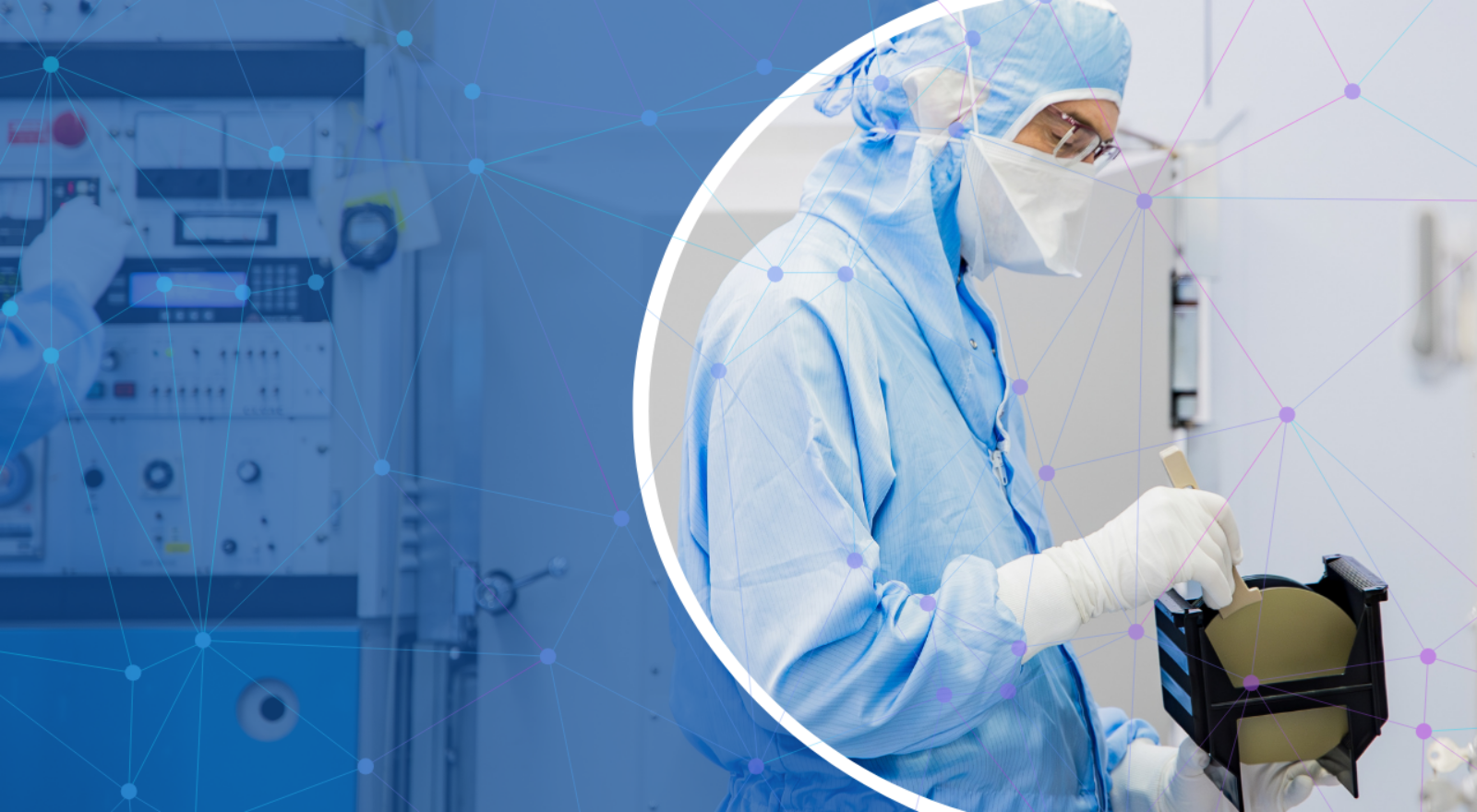
Another example comes from FBK’s Clean Rooms, where collaboration between the Center for Sensors & Devices and NanoTech Analysis led to the development of the microfabrication process and the creation of an initial series of MEMS components for a miniaturized mass spectrometer. This pathway also opens up potential applications in the medical field and demonstrates the role of advanced infrastructure in transforming a technological project into functional and reproducible devices.
Collaboration with companies is also at the heart of InnovAction, through which FBK has supported 11 companies on their paths toward the Twin Transition, working on digitization, artificial intelligence, Big Data, and cybersecurity based on the specific needs of individual companies. r SMEs, which can experiment with new solutions while accessing expertise and tools that would be difficult to develop entirely in-house.
The picture is completed by the discussion with RINA on the conditions necessary to accelerate the energy transition through projects, data, and real-world experiments, as well as by the experience of PoC by Trentino, the program promoted by FBK and the University of Trento to support high-potential technologies through the Proof of Concept phase and bring them closer to possible applications and market opportunities.
Different experiences that reflect the same innovation model: research and the production system work together to develop, experiment with, and validate new solutions, building a pathway that leads from knowledge to impact.
FBK for Innovation was created precisely to describe and strengthen this connection, contributing to the development of a competitive and sustainable innovation ecosystem.
The new full edition is available on LinkedIn. Sign up here for FBK for Innovation.
The author/s
Related articles