From experimental AI to real-world impact: FBK’s vision for the future of healthcare
June 18, 2026
FBK Secretary General Andrea Simoni among the speakers at the healthcare event organized by RCS
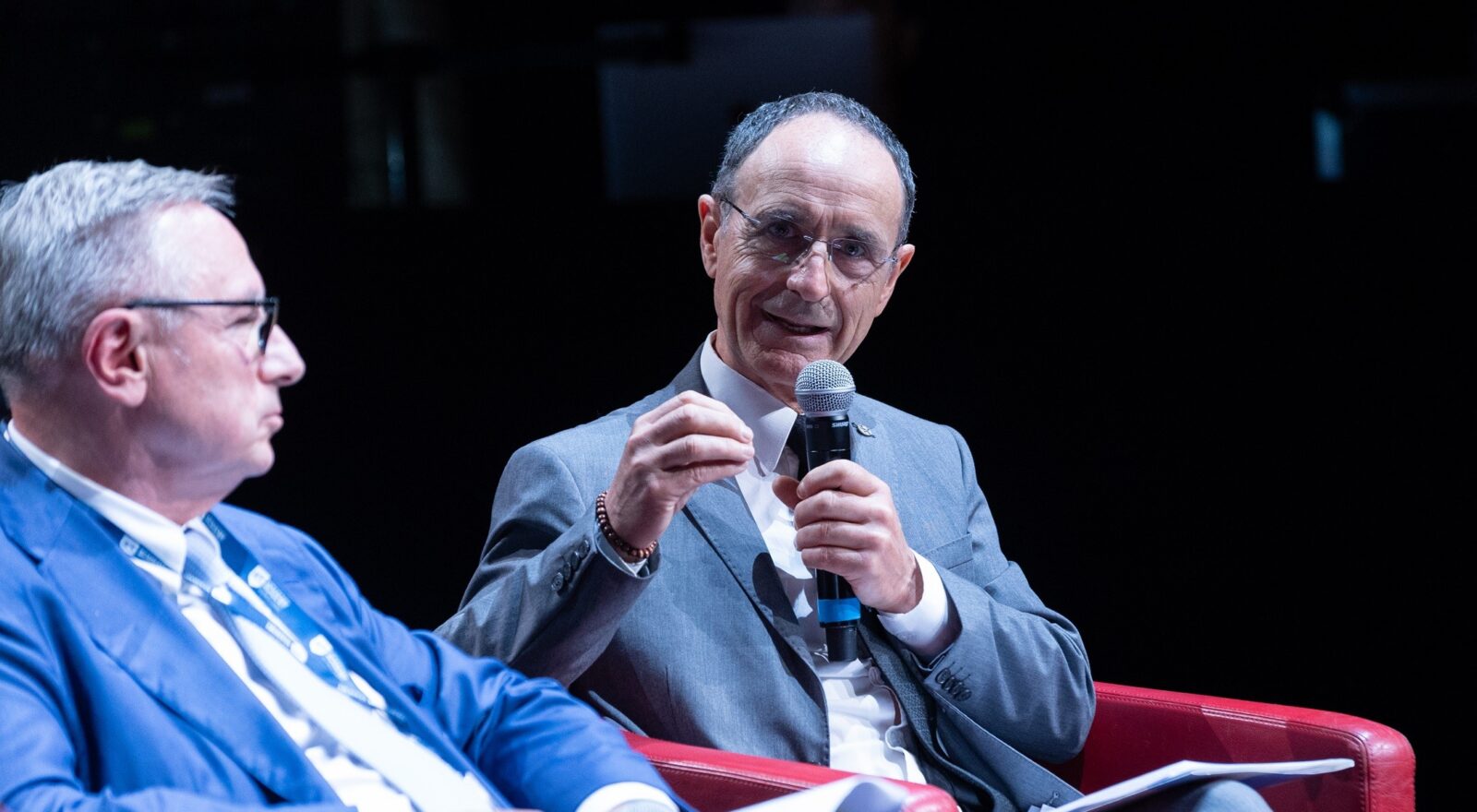
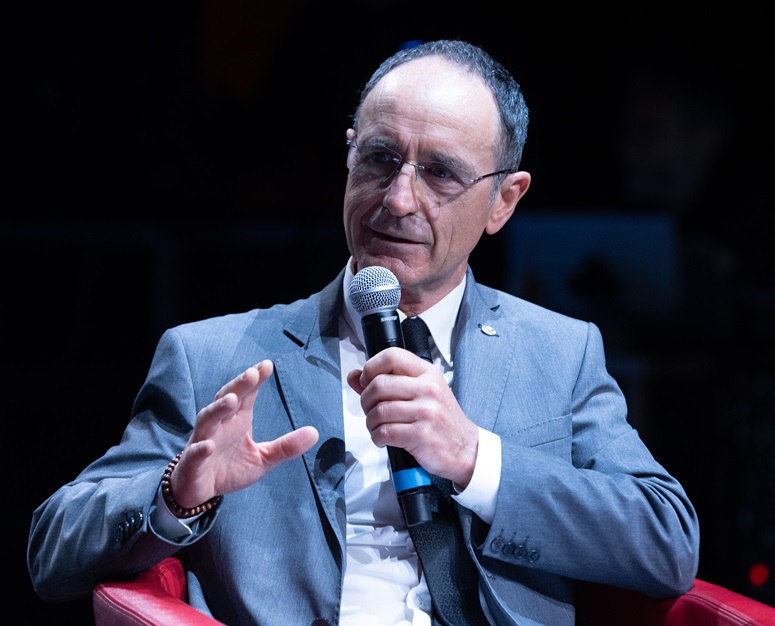
How can promising AI experiments be transformed into practical, widely adopted tools for everyday clinical care? This was one of the key questions addressed by Andrea Simoni, Secretary General of Fondazione Bruno Kessler, during the panel discussion “AI and data in healthcare: from experimentation to real-world impact,” organized by RCS Academy and Corriere della Sera as part of the Healthcare & Pharma 2026 event.
The event, “Healthcare & Pharma Talk – The healthcare system: new challenges between bureaucracy and technology,” organized by RCS Academy and Corriere della Sera, brought together leading figures from healthcare, research, and innovation at both the national and European levels. Notable speakers included Minister of Health Orazio Schillaci, President of the Higher Institute of Health Rocco Bellantone, President of Farmindustria Marcello Cattani, and President of the Lazio Region Francesco Rocca.
During the discussion, moderated by Antonella Baccaro and featuring Claudio Bassoli, President and CEO of HPE, and Lucilla Sioli, Director of the European Commission’s EU AI Office, Simoni highlighted the role of applied research in bringing innovation from the laboratory into the hospital setting.
Andrea Simoni began by noting that Italy is now home to many highly specialized solutions closely connected to clinical practice and designed to support diagnosis, prevention, and clinical decision-making. These solutions are often developed by physicians, healthcare professionals, and AI researchers and generate highly valuable scientific results, yet they still face challenges in achieving large-scale adoption.
“The real challenge,” Simoni emphasized, “is turning these prototypes into reliable tools that can be systematically integrated into care pathways.”
Robustness, security and interoperability
Achieving this goal requires more than simply demonstrating a solution’s scientific effectiveness. Solutions must be robust, secure, and seamlessly integrate with existing healthcare ecosystems.
According to Simoni, key requirements include cybersecurity, interoperability among systems, compliance with European regulations—from the AI Act to the GDPR—and continuous verification that applications remain aligned with the clinical objectives for which they were designed.
FBK is developing a range of specialized applications to support clinical decision-making in areas including Parkinson’s disease and various forms of cancer. These solutions are designed with careful attention to these essential cross-cutting requirements, enabling their use beyond the specific research groups in which they were originally developed.
Regional data and precision medicine
Another key topic addressed by FBK Secretary General Andrea Simoni was the management of healthcare data. In a context marked by significant regional differences, creating a single national data lake remains a complex undertaking. For this reason, regional initiatives such as the “Trentino Health Factory”are especially important, as they aim to enhance and integrate clinical, genomic, and administrative data under shared governance rules.
Projects already underway demonstrate the potential of this approach. Examples include breast cancer initiatives that integrate diagnostic imaging, clinical data, and genomic information to improve diagnostic accuracy, as well as colorectal cancer projects that use artificial intelligence to analyze clinical images and videos and to clean and validate data.
Alongside diagnosis, prevention is playing an increasingly important role through tools designed to support healthier lifestyles and guide families along health education pathways.
People first
The adoption of artificial intelligence is not solely a technological challenge. For Andrea Simoni, the involvement of healthcare professionals is a fundamental prerequisite for successful innovation.
In Trentino, a pilot program involving approximately 800 physicians and nurses is currently underway as part of an integrated research and training initiative. “The goal is to increase awareness of the opportunities offered by new technologies and encourage their practical use in clinical practice, without taking time away from patient care,” Simoni concluded.
This approach reflects a firmly held conviction: artificial intelligence can generate meaningful impact in healthcare only when it is developed and adopted together with the people who work within healthcare systems every day.
The author/s
-
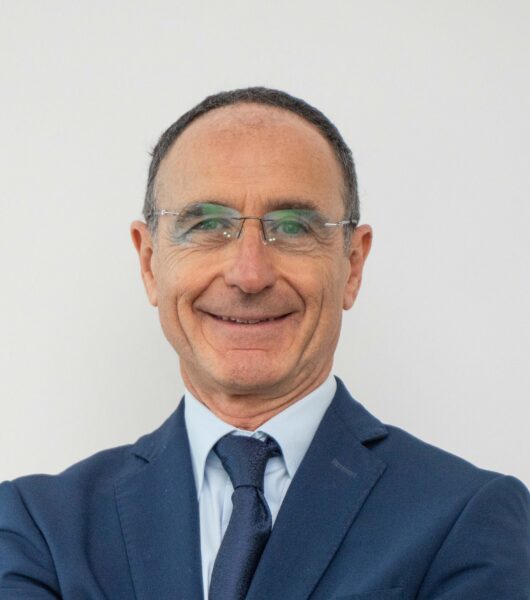 Andrea Simoni
Secretary general Fondazione Bruno Kessler
MORE INFO
Related articles