
How drones, computer scientists, AI and ecologists are teaming up to improve wildlife conservation
November 18, 2025
The WildDrone and WildBotics EU-funded projects research and develop new solutions within an interdisciplinary approach for a new era of wildlife conservation
As Earth is facing an unprecedented crisis in biodiversity loss, traditional methods of tracking and protecting endangered species are no longer sufficient. Ecologists and conservationists urgently need faster and more scalable solutions for tracing and safeguarding at-risk species.
Common ecologist and conservation practices based on GNSS-based collars, fixed camera traps or long-lasting visual observations in the field to monitor and study wildlife are slow, expensive, time consuming and invasive. Moreover, as ecosystems are more and more under increasing pressure (from climate change to human-induced threats causing poaching, habitat loss, etc.), there’s an urgent need for faster, scalable, non-invasive and repeatable solutions, based on remote sensing data and AI methods, to safeguard at-risk species.
With the support of EU funds, the ongoing interdisciplinary WildDrone project (2023-2026) and the forthcoming WildBotics (2026-2029) want to combine and develop innovative technologies (from AI methods and innovative drone platforms to real-time 3D mapping, posture and biometrics determination or eDNA and soundscape analyses), to help ecologists, biologists and conservators in wildlife conservation.
WildDrone is led by the University of Southern Denmark – Ulrik Pagh Schultz Lundquist – while WildBotics is led by FBK – Fabio Remondino. Both consortia consist of computer scientists, engineers, biologists and ecologists from different European countries. Both projects stem from the belief that the rapid decline of wildlife populations has prompted an urgent need for more effective and feasible nature conservation practices supported by drone, 3D and AI technologies.
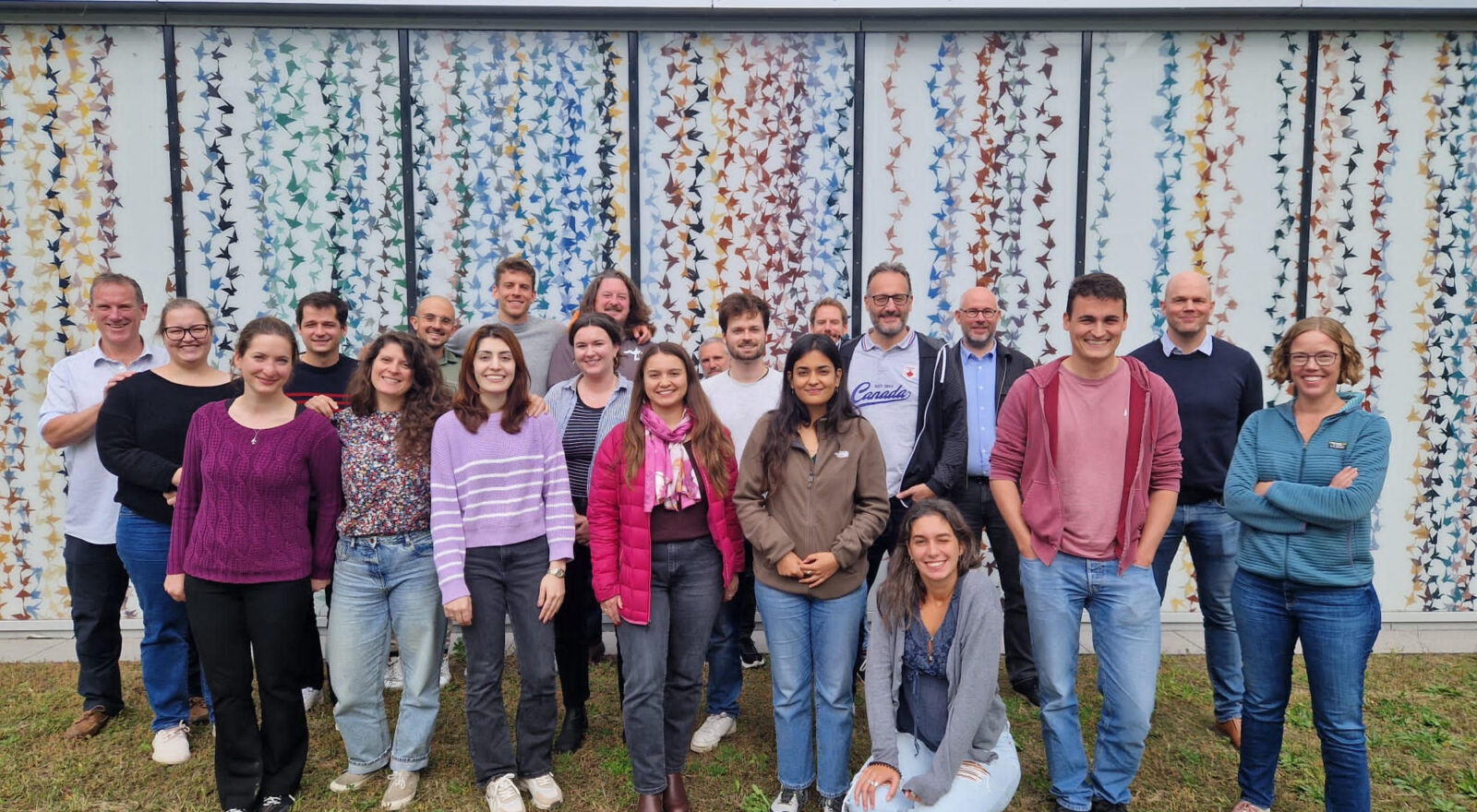
WildDrone and WildBotics are MSCA Doctoral Networks and with 13 and 12 PhD projects, respectively, they aim to revolutionize how endangered species can be monitored and studied using autonomous drones (single or swarms), multi-modal sensors, on-board computing and AI methods specifically designed for wildlife conservation.

“Drones and AI technologies have generally been mainly associated with human-centric and industrial challenges, but they are becoming a transformative tool for protecting ecosystems and wildlife conservation” – says Ulrik Pagh Schultz Lundquist, WildDrone coordinator. “We are integrating the research areas of aerial robotics, computer vision and wildlife ecology, using autonomous drone technology as a unifying platform. We are developing new autonomous systems, expanding current software capabilities and combining these advances to create practical tools for visual inspection and monitoring of wildlife populations, movement, behaviour, and habitats in complex field settings”.
“Outcomes of all our PhD topics will pioneer the next era of wildlife conservation – says Fabio Remondino, coordinator of WildBotics. “We are investigating drone and AI technologies in order to survey large landscapes, collect high-resolution data and infer valuable information from the acquired data. The core innovation lies in the AI-powered solutions for data processing, enabling automatic, real-time identification of species (elephants, rhinos, zebras, etc.) and individuals based on unique features (size, markings). This creates an objective, reliable and replicable framework for autonomous monitoring and rapid intervention, safeguarding wildlife without constant human presence”.
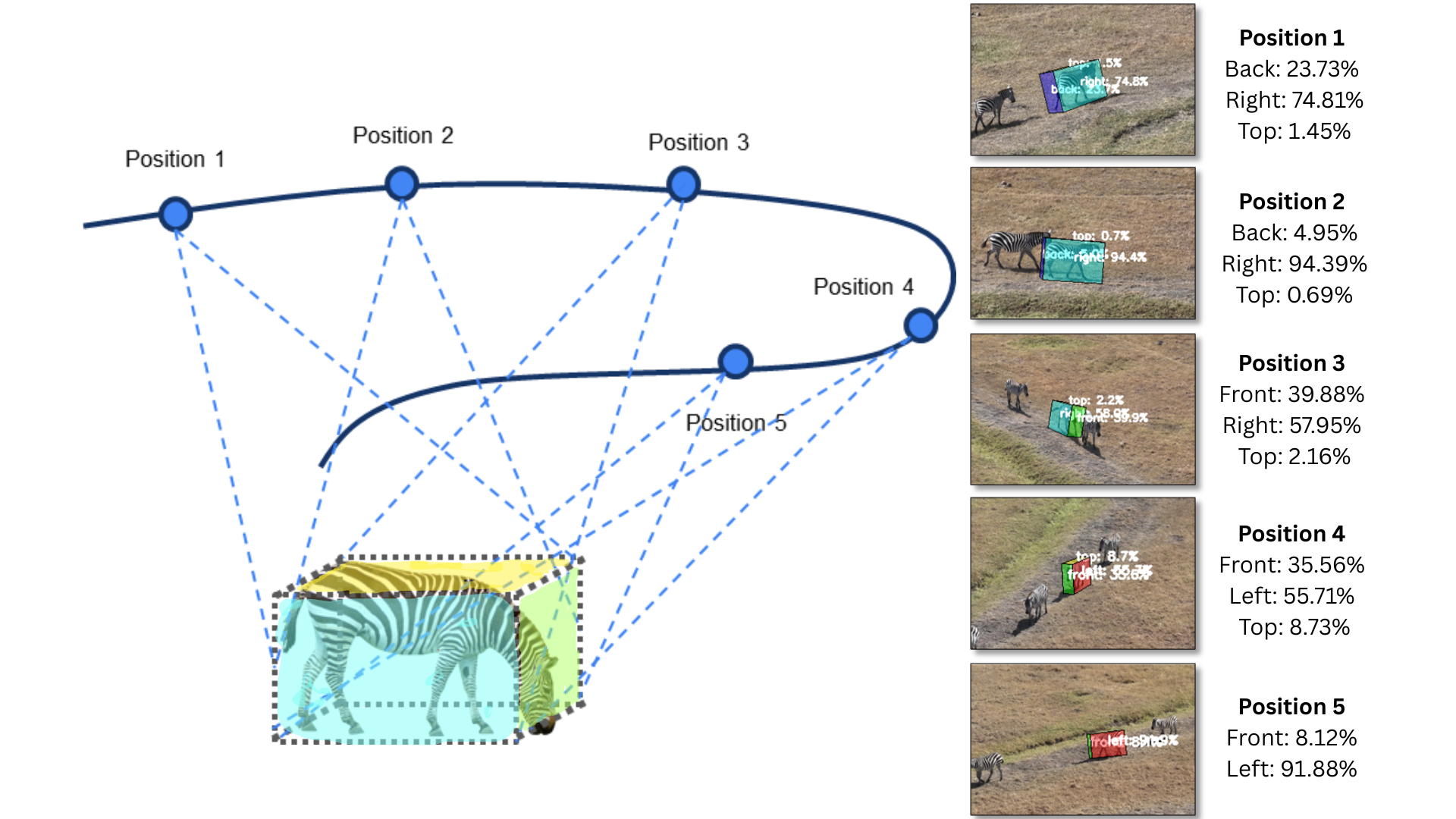
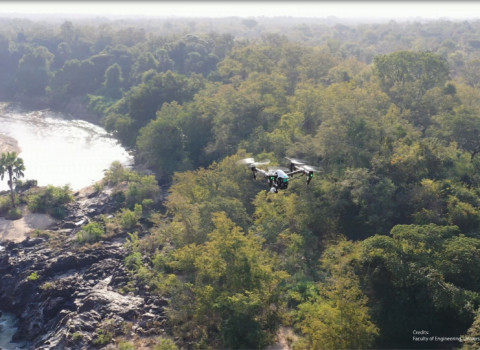
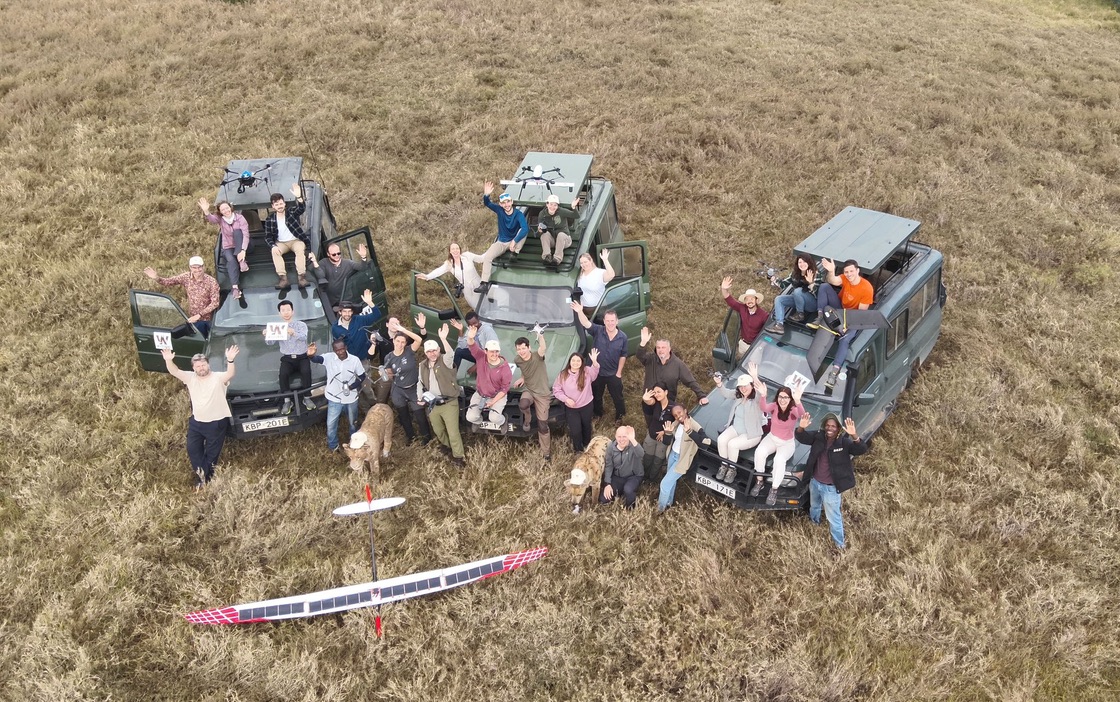
WildDrone project technologies and solutions are currently being tested in collaboration with local partners, officials and rangers in Kenya’s Ol Pejeta Conservancy. Drones fly over vast areas, identifying and tracking animals like rhinos and lions. The data is then used to create detailed maps of populations and habitats or to retrieve biometrics and postures, enabling conservationists to identify areas or animals needing immediate attention.
WildBotics will experiment and validate its solutions in various sites, including the Spormaggiore Wildlife Park, a magical, one-of-a-kind place where nature’s shy creatures can be admired. The park is home of multiple Alpine animals and researchers will have the opportunity to cooperate with wildlife experts and test technologies in an environment that faithfully reproduces wildlife natural habitat.
WildDrone and WildBotics are building an interdisciplinary network that provides doctoral candidates with close connection to conservation practitioners and educates them on real-life challenges in conservation through hands-on experience, with the potential of directly contributing to conservation actions around the world.
WildBotics is now hiring 12 new doctoral students, therefore if you are interested in the topic, visit the project website for more information on the themes and how to apply.
The author/s
Related articles