
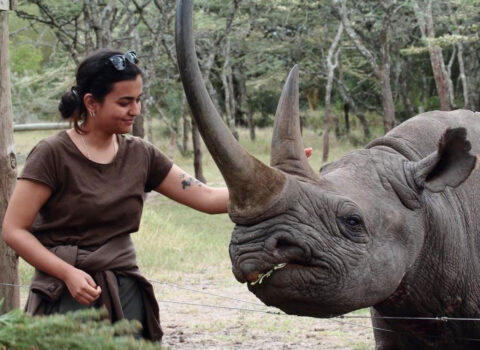
Robots, AI, and 3D reconstructions to help conserve endangered animal species
October 2, 2026
The results of two European projects, WildDrone and WildBotics, which use autonomous robots to monitor wildlife, were presented in Trento. The innovations tested in Kenya will now be brought to the Dolomites through a new project coordinated by FBK.
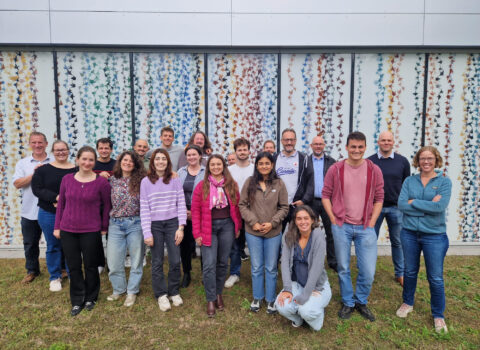
A week of events organized by Fondazione Bruno Kessler, which brought European researchers to Trento to discuss new technologies for ecology, environmental research, and conservation, has wrapped up.
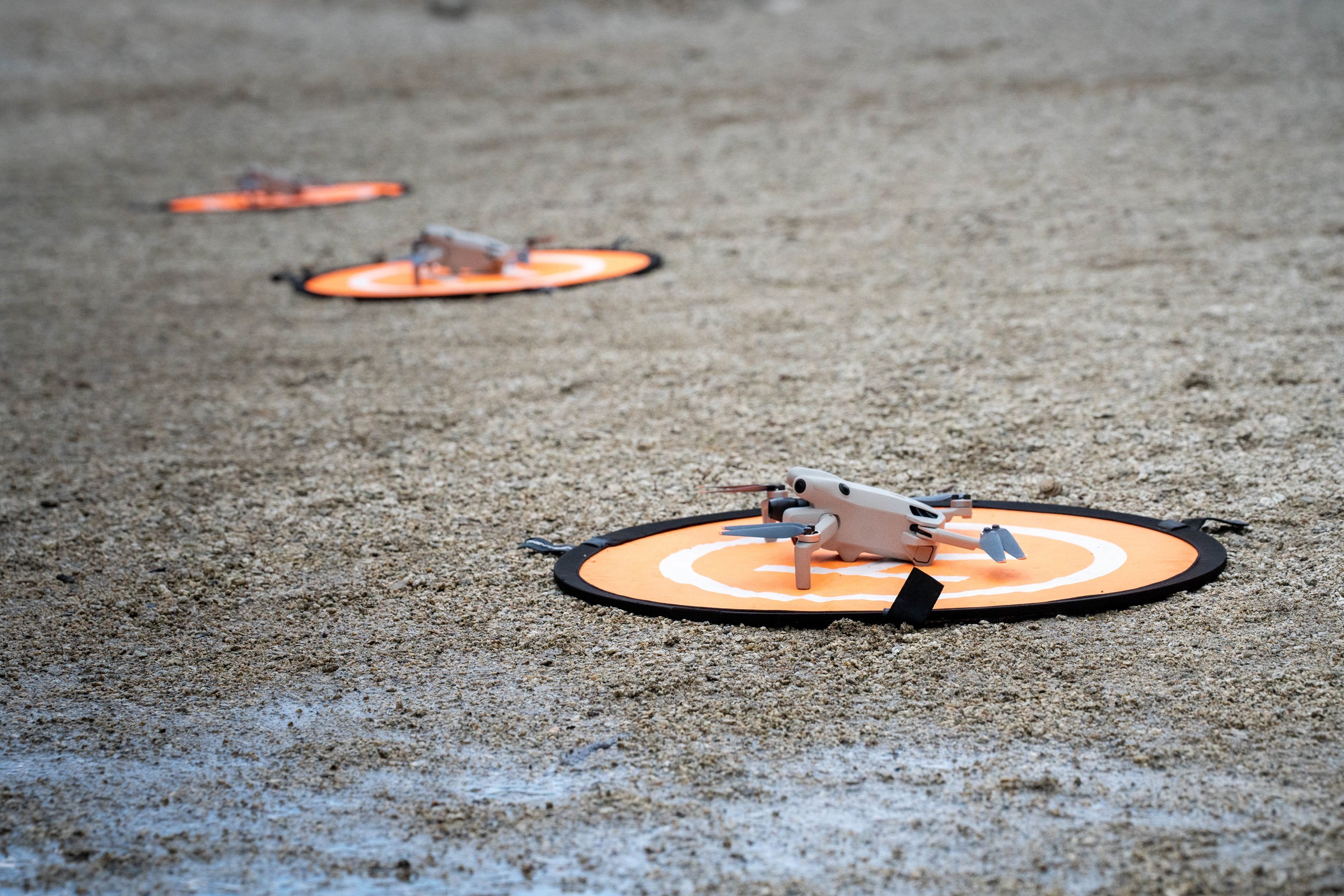
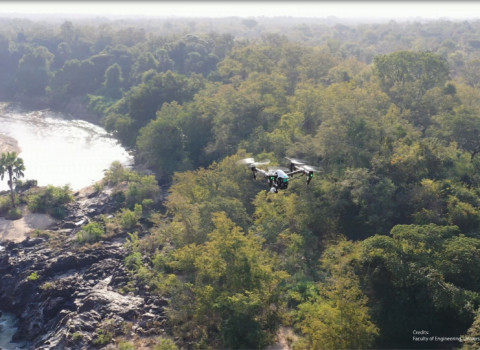
Until now, most wildlife monitoring systems have relied on traditional aerial surveys, images from so-called camera traps, and in-person field surveys. The results of WildDrone—a project launched in 2023 and set to conclude this year—have shown how some of these limitations can be overcome through the use of autonomous drones and image processing to generate 3D reconstructions of the scene.
Using specific artificial intelligence algorithms and photogrammetry, the system can reconstruct individual animals in three-dimensional space and accurately calculate their position, orientation, and size. It can also track their movements over time and identify different individuals within a group. In the future, this will make it possible to monitor wildlife populations with high precision and in a less invasive way in their natural habitats, while reducing environmental impact.
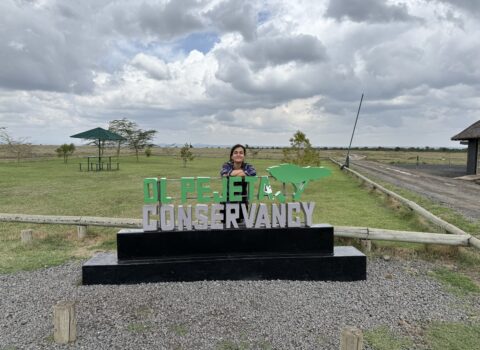
WildDrone is coordinated by the University of Southern Denmark (SDU). The technologies were developed and field-tested by FBK’s 3DOM unit at the Center for Digital Industry, together with the project’s international partners. The work addressed real-world challenges at the Ol Pejeta Conservancy in Kenya and led to the creation of a reference dataset and an operational model for ecological research worldwide.
This experience led to WildBotics, coordinated by Fondazione Bruno Kessler’s 3DOM Unit, with a pilot project in the Trentino Dolomites. Launched in Trento, WildBotics builds on the legacy of WildDrone and takes the use of aerial and ground robotics in natural environments a step further. Its main goal is to move beyond image collection in complex environments such as the African savanna toward a truly autonomous understanding of the environment through real-time sampling and data processing.
“The results of the various doctoral projects will pave the way for the next era of wildlife conservation,” Fabio Remondino, coordinator of WildBotics, said. “Using robotic platforms equipped with a range of sensors, we explore and study large forest landscapes, collect high-resolution data and field samples, and obtain valuable information for ecology and biodiversity research. The main innovation lies in AI-based processing solutions, which make it possible to automatically identify animal species and individuals in real time and to measure animals with precision. This creates an objective, reliable, and replicable framework for autonomous monitoring and rapid intervention, helping to protect wildlife without the need for a constant human presence.”
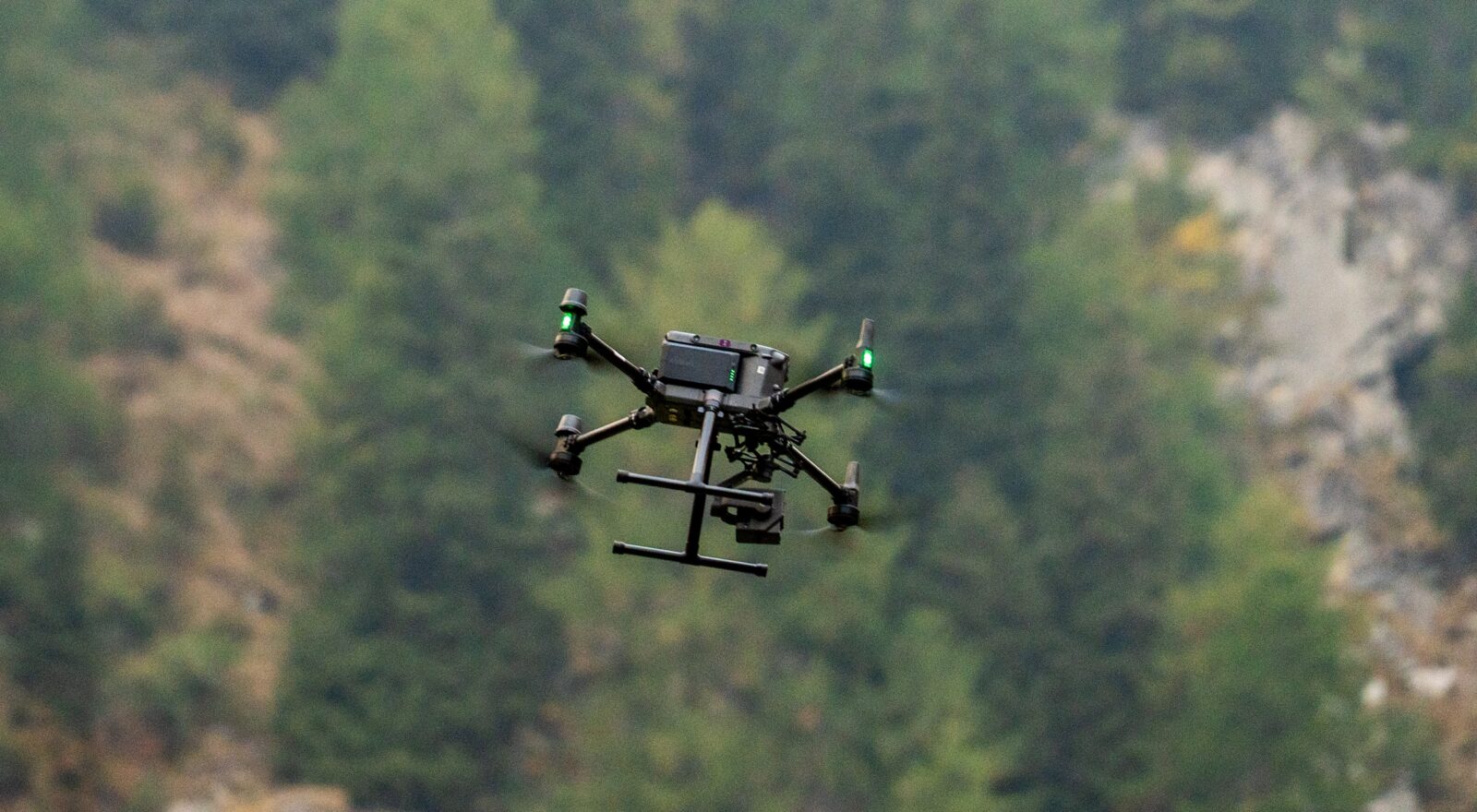
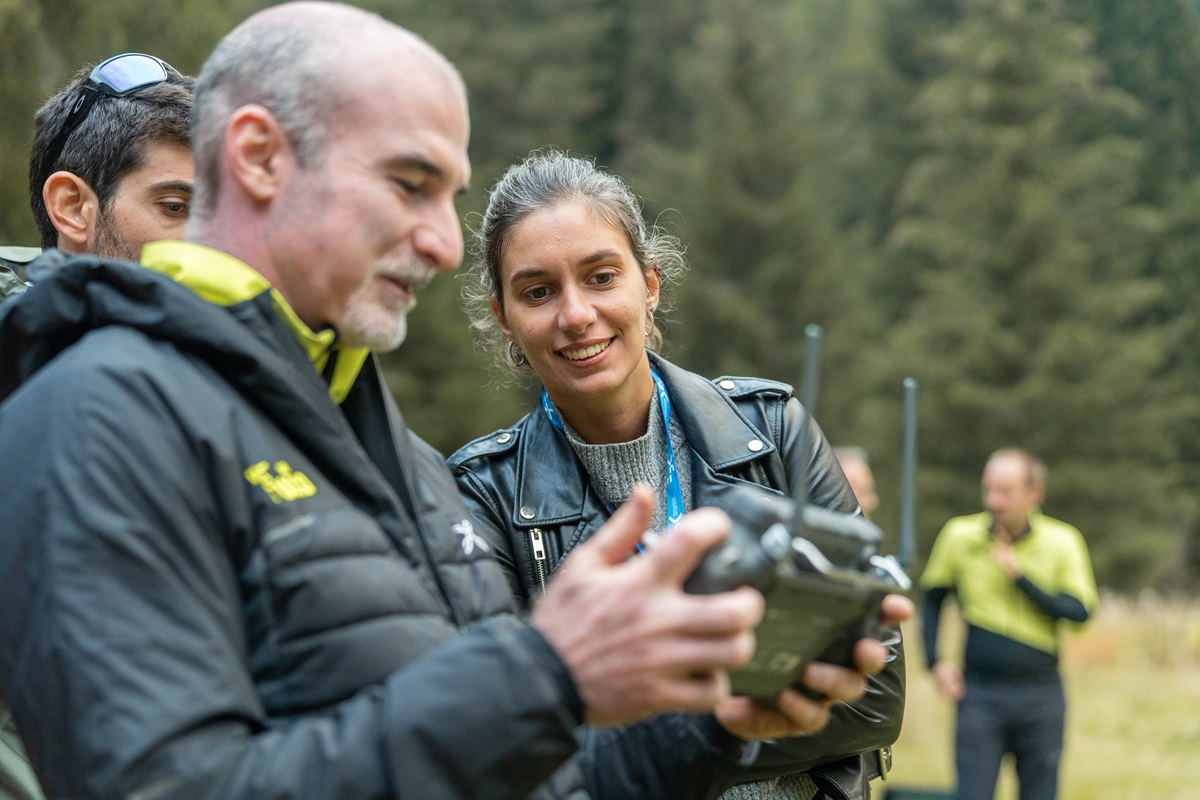
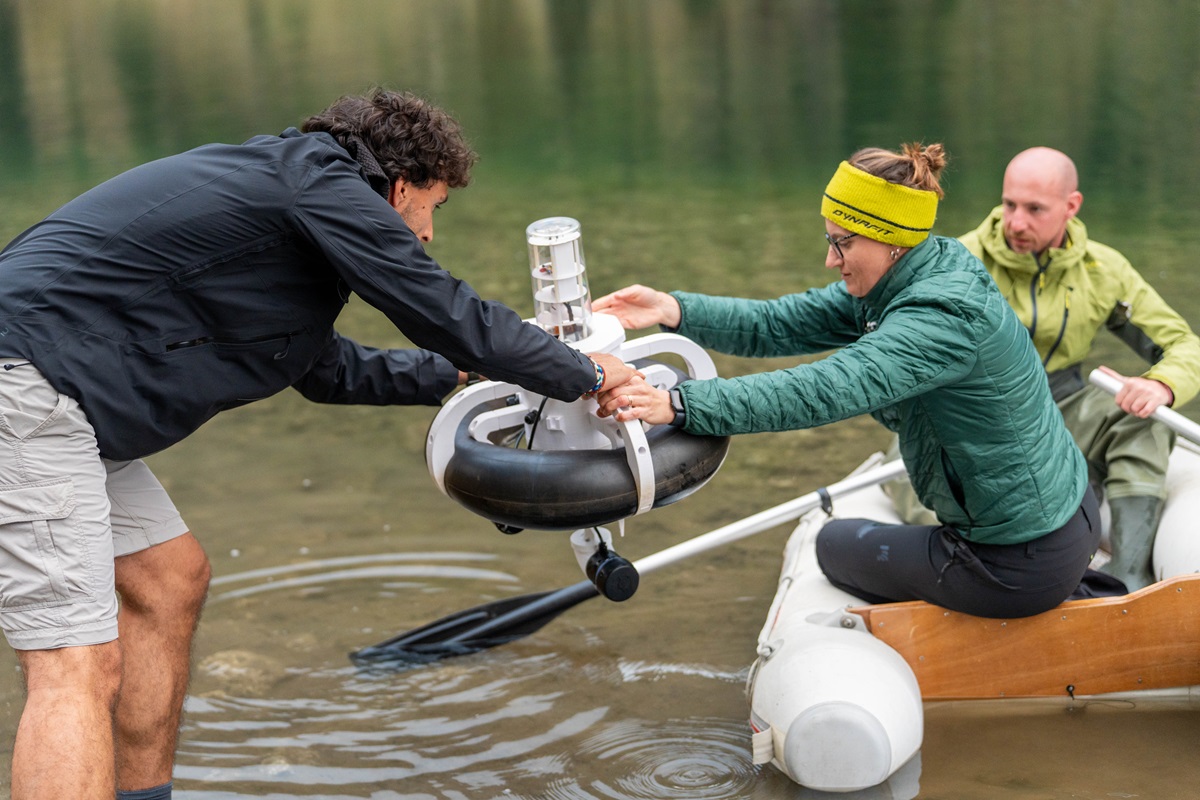
During a demonstration day at Lake Nambino, organized in collaboration with Adamello Brenta Nature Park, MUSE, and the Fire and Civil Protection Service, the technologies developed through WildDrone and WildBotics were presented in action.
By combining data collected from multiple sensors—including LiDAR, radar, sonar, and GNSS—and different platforms, the new technologies will enable drones and robotic systems to orient themselves and navigate with a high degree of accuracy even in highly complex natural ecosystems. They will also provide wildlife data to support monitoring and management.
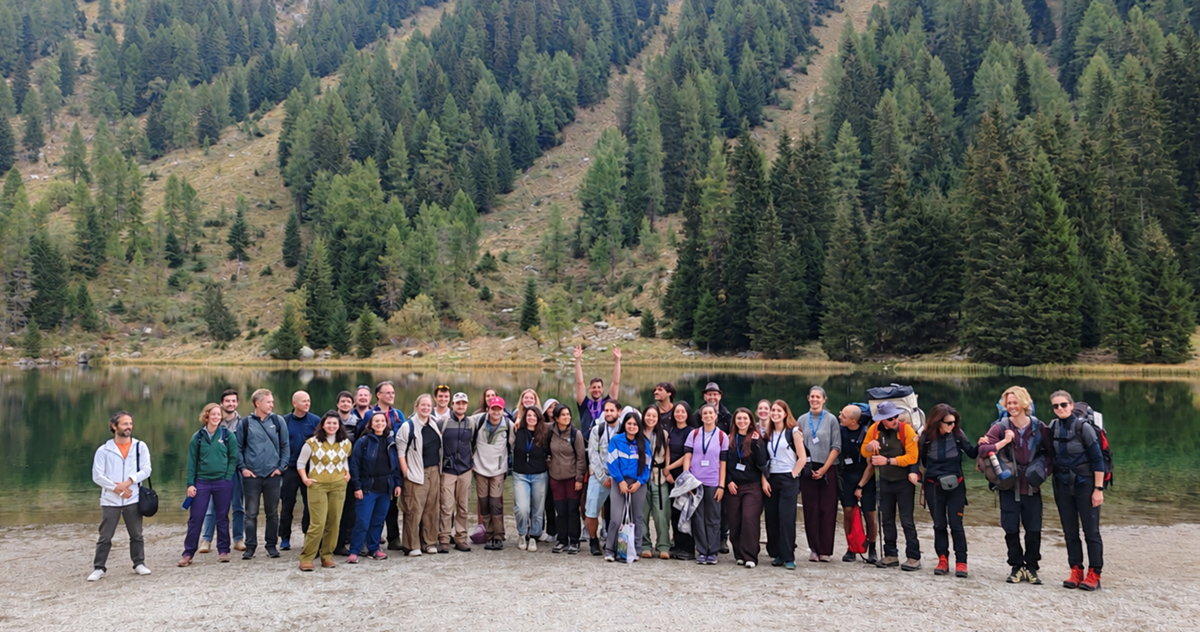
WildDrone and WildBotics are European projects funded through the Marie Skłodowska-Curie Actions (MSCA) doctoral program, with 12 doctoral projects each. Their consortia bring together researchers in computer science, engineering, biology, zoology, and ecology from several European countries. Both projects are based on the recognition that the rapid decline in wildlife populations has created an urgent need for more effective and practical conservation methods supported by drone, 3D, and AI technologies.
The author/s
-
 Fabio Remondino
Head of Unit 3D Optical Metrology (3DOM), Digital Industry Center -FBK
MORE INFO
Related articles