

The InCUBE General Assembly in Trento
October 16, 2025
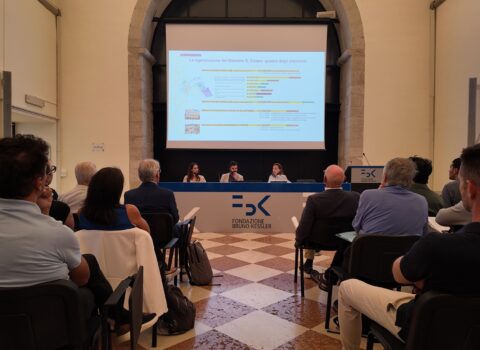
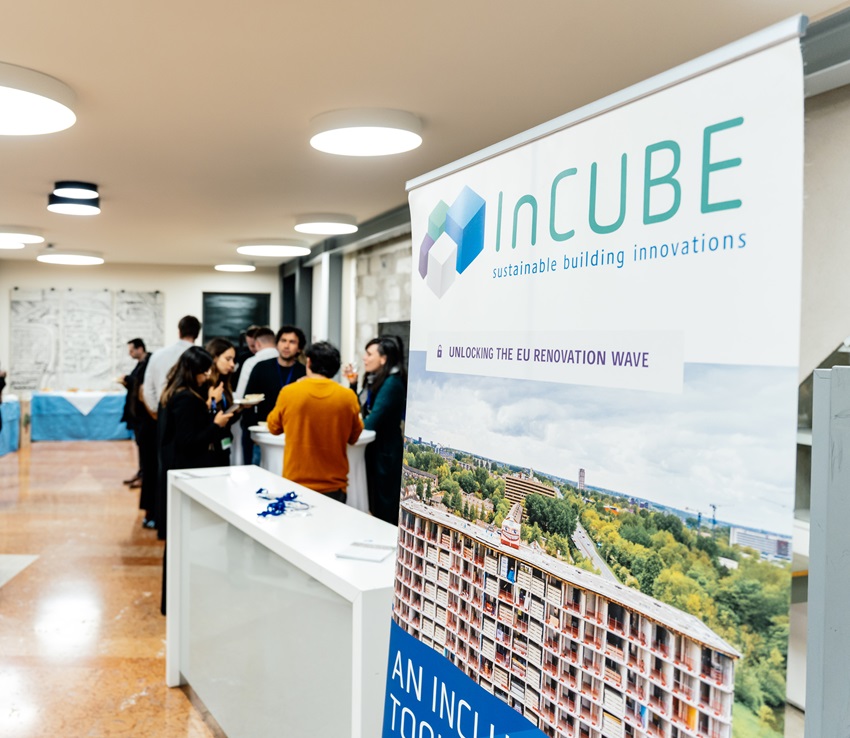
From October 7 to 9, the sixth General Assembly of the European project InCUBE was held in Trento. The event provided a valuable opportunity for exchange among the 23 international partners involved in the initiative. Hosted at the FBK Humanities hub on Via Santa Croce, the three-day meeting included focused discussions, site visits, and workshops.
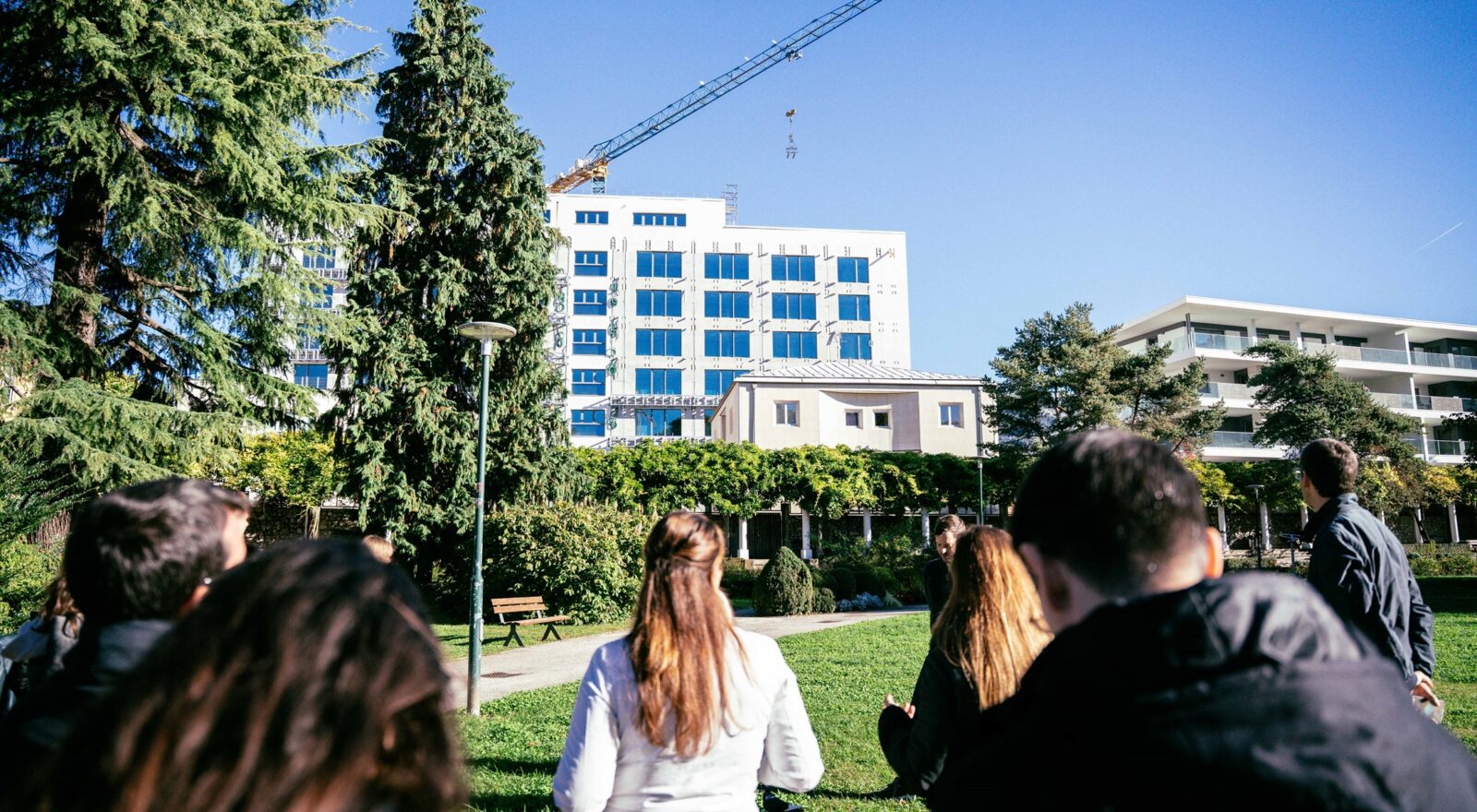
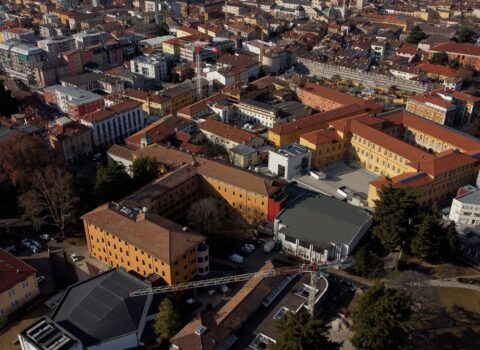
The first day started with an on-site inspection led by the Municipality of Trento in the Santa Chiara district, one of the project’s pilot sites. Participants received an update on the progress of the works. The visit continued to the Le Albere district and the former Sit car park area, where ongoing urban regeneration activities were presented. In the afternoon, updates were given on the different Work Packages.
“In the Santa Chiara district of Trento, the InCUBE project is supporting a truly ambitious urban regeneration initiative, now in full development,” said Diego Viesi, Senior Researcher & Advisor with the Sustainable Territories Area at the Center for Sustainable Energy. “Over €50 million has been mobilized for building investments and renewable energy solutions, involving the redevelopment of various buildings—including historically significant ones—as well as the construction of new buildings, totaling about 20,000 square meters. The shift toward renewable energy sources, such as over 200 kW of photovoltaic power and around 1 MW of geothermal and air-source heat pumps (replacing methane boilers), is significant. Additionally, the adoption of innovative digital solutions like BIM, digital twins, energy monitoring and management systems, site safety technologies, and indoor/outdoor environmental monitoring is particularly noteworthy. FBK plays a key role in developing and integrating these demonstration technologies, leveraging interdisciplinary expertise from the Center for Sustainable Energy, the Sustainable Territories Area, the Center for Digital Industry, and the 3DOM and DISP Units.”.
The second day opened with a presentation by Oscar Roman, researcher ith the 3DOM Unit at FBK’s Center for Digital Industry, who highlighted the research activities stemming from the InCUBE project. “New methodologies for automating Scan-to-BIM processes and automatic modeling,” Roman explained, “have been developed to create Digital Twins for energy-related applications. The geometric and energy data collected from the Italian pilot site allowed us to test and validate these new approaches, marking a significant step forward in the creation and management of Digital Twins for the built environment.”
After technical updates throughout the morning, in the early afternoon, participants conducted additional inspections in the district to verify the progress of the works and the installation of new sensors. This was followed by a workshop open to local professionals and InCUBE partners, titled “Advanced Technological Solutions for Efficiency: The Santa Chiara Case Study”, with simultaneous translation provided.
- Architect Federica Podetti (Municipality of Trento), who presented the ongoing interventions:
“The Santa Chiara district integrates various funding sources for the rehabilitation of municipal buildings, aiming to gradually transform the area within a long-term urban regeneration framework.” - Engineer Silvia Ricciuti (FBK) discussed the project’s role in the neighbourhood:
“In addition to public funding, the Santa Chiara regeneration effort has benefited from InCUBE project funds, which have enhanced the technological scope of the interventions.” - Engineer Paolo Buzzi (TERA Engineering) described the design and installation of two geothermal heat pumps in the “Ex Lettere” building:
“TERA Engineering brings strong expertise in designing technological systems. For the geothermal heat pumps, we began with a geological study and probe field sizing, through to integration with the existing complex plant system.” - Engineer Paolo Nobile (ENEREN), supplier of the heat pumps, added:
“Geothermal heat pumps are particularly well-suited for redeveloping historic sites, as they have minimal external impact and are more efficient than air-source systems thanks to the stable underground temperature. Eneren has developed new prototypes using ultra-low GWP fluids, maximizing efficiency and compatibility with various HVAC systems.”
The third and final day of the General Assembly, held on the morning of October 9, focused on the latest project updates and the definition of upcoming activities.
To stay informed about developments in the Trento demo site and future stages of the InCUBE project, you can subscribe to the dedicated newsletter at the following link: Subscribe to the newsletter.
The author/s
Related articles