The physics of Peoples
May 25, 2026
Recently, some friends asked me about a news story concerning the LHCb (an experiment at CERN’s LHC). It was announced as the discovery of a heavier, shorter-lived version of the proton, and while that may seem interesting, what really got me thinking was something else.
Setting aside all the technical aspects, these large-scale physics experiments involve massive collaborations that sometimes involve nearly ten thousand people, including scientists, engineers, and staff at all levels. Practically entire countries, and not even small ones, though quite unique. These communities, in fact, bring together people from very different parts of the world with some of the most varied customs and traditions. Without painting too idyllic a picture, I imagine there are always differences and internal discussions—sometimes even heated ones—as is normal in any human relationship. The important thing, however, is that despite the news reaching us from around the world that tends to create walls and divisions, the people in these communities sit side by side every day to do science—without dual-use purposes or collaborations that are at the very least questionable—simply science.
At this point, I feel it’s only natural to take a look at our own situation. How are things at FBK? Can we consider ourselves a small country, too?
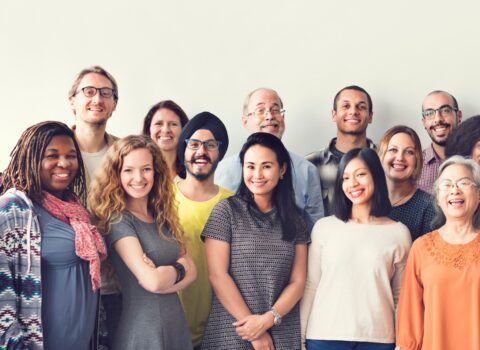
If we look at the makeup of our research staff (at all levels), there are about a thousand of us representing 59 different countries. There are 226 non-Italian researchers from four continents (sorry, Oceania!), which is quite surprising given that we’re in a relatively small place like Trento.
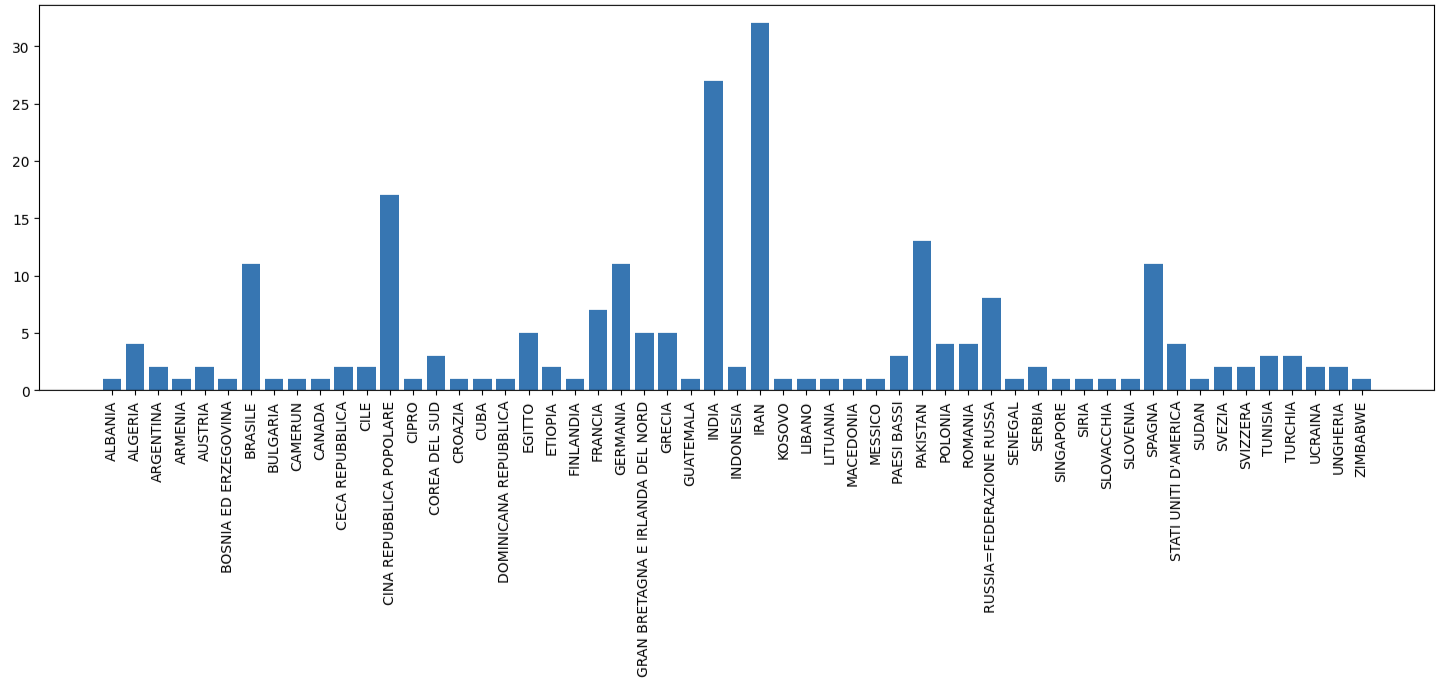
A histogram showing the different countries of origin of the research community (excluding Italy)
To be honest, I’m not sure to what extent this diversity of backgrounds actually leads to cultural exchange, but it certainly makes us a small community where we at least share our daily lives (think, for example, of standing in line at the cafeteria) and perhaps even collaborate professionally.
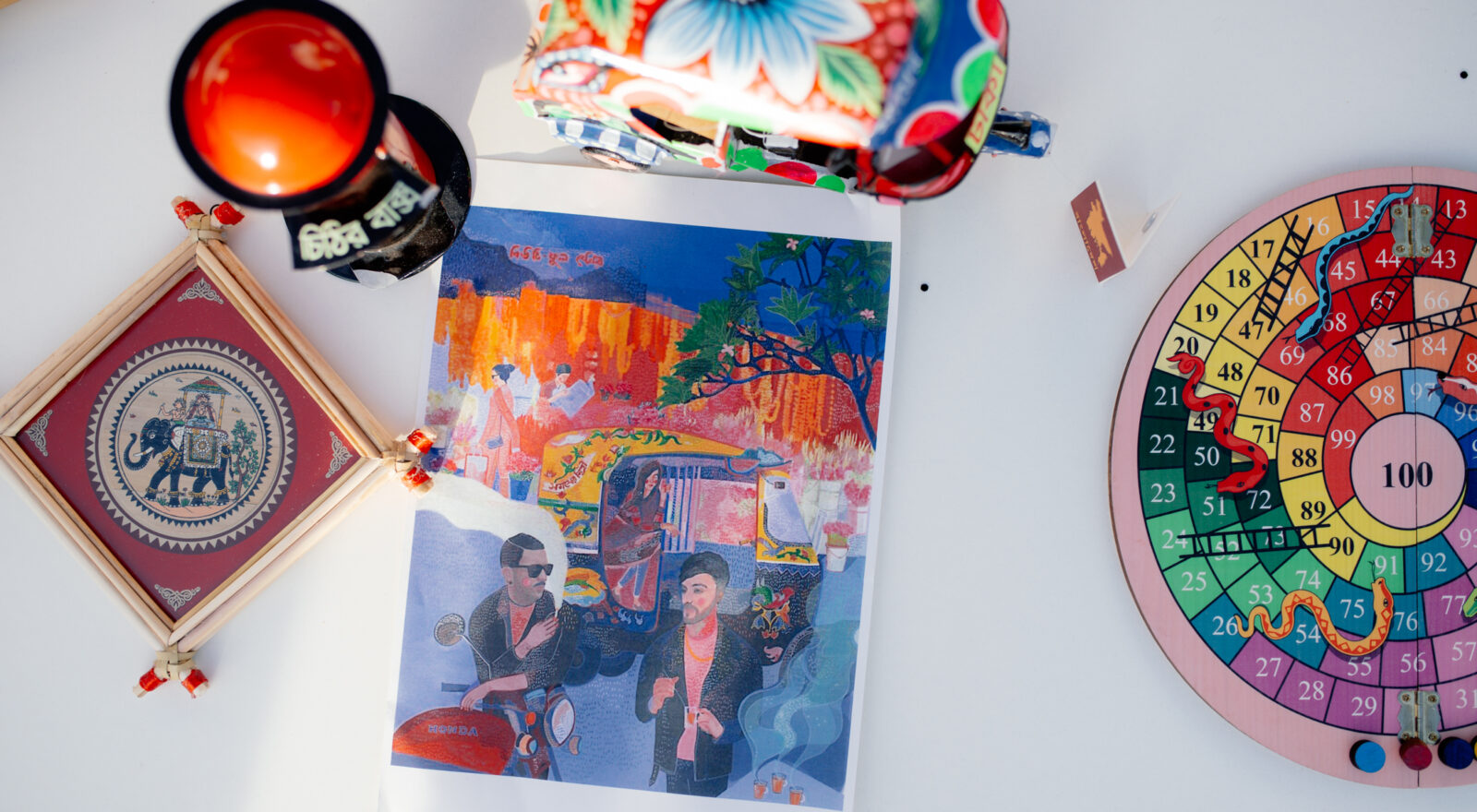
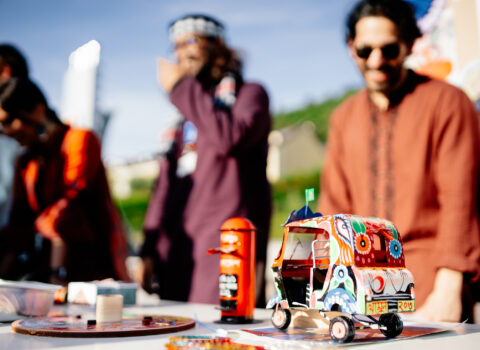
At FBK, we attended the second edition of the Festival of Peoples, which is a perfect opportunity to explore (and, for the lucky ones, perhaps even sample) the variety of cultures represented here. Perhaps this is just a drop in the bucket, but perhaps it’s enough to consider us one of those countries where diversity is a resource rather than a threat.
The author/s
Related articles