
The TRAVEL project begins
August 27, 2026
An international team led by FBK-ISIG researcher Sandra Toffolo will study travel, mobility, and encounters between people in Italy during the early modern period. We asked her a few questions ahead of the project’s launch. The project received significant funding from the Italian Science Fund.
What is the goal of the TRAVEL project?
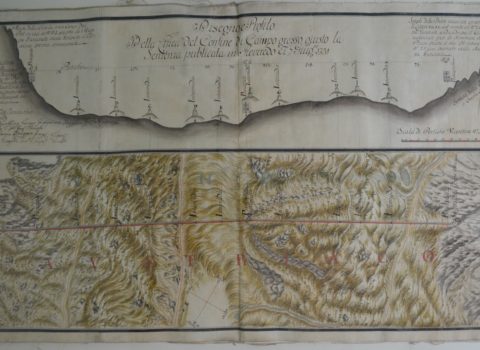
The project ‘TRAVellers’ interactions in Early modern itaLy’ (TRAVEL) will study the interactions between travellers and the people they encountered during their journeys in the Italian peninsula between 1400 and 1600. The aim is to better understand the concrete and everyday aspects of mobility, through the lens of encounters between people: how authorities sought to control encounters involving people on the move, how these encounters took place in urban spaces, how communication occurred, and what role material culture played. The project will focus on five types of Italian cities – the Italian peninsula is a particularly interesting context for this type of research, because in the fifteenth and sixteenth centuries it was an important crossroads for people from different regions and countries.
When will the program start and how will the working group be composed?
The project will start in autumn 2026 and will last three years. It will involve a research team consisting of four postdoctoral researchers, three PhD students, and a research assistant specialised in Digital Humanities, in addition to myself as Principal Investigator. There is also an Advisory Board consisting of six experts based in Italy, the United Kingdom, the United States, and Canada. The members of the team will study different aspects of interactions involving travellers, using both sources produced by the travellers themselves and those produced by the people and authorities with whom they came into contact
With this project you have also managed to obtain significant funding from the Italian Science Fund
The project was funded under the second edition of the FIS (FIS 2), in the Consolidator Grant category. The total contribution is €1.65 million, making it possible to carry out a large-scale analysis of the social dynamics of mobility in the early modern period. I’m very happy that the project has been selected.
How does this study fit into FBK-ISIG’s research areas and what is the added value of being able to work in this environment?
The project fits very well within ISIG’s research activities. Since its foundation, the institute has always promoted dialogue between different historiographical traditions. For many years, there has also been a particular focus on the history of mobility, which today is one of the institute’s five main research areas. TRAVEL fits directly into this research area, focusing on the mobility of people and, in particular, on the interactions that take place when people move. It’s therefore particularly interesting for me to be able to develop this project in an environment that already has strong expertise in these areas and that encourages dialogue between different perspectives and historiographical traditions. The institute is also very well integrated into the international research context, which is important for a project with such a strong transnational dimension.
What led you to become a historian, and what are your goals for the future?
Over the course of my career, my research has focused on mobility, space, and the transnational circulation of people, objects, and ideas in the early modern period, with particular emphasis on Italy but always in an international context. This project is the natural development of my previous research interests. I’m very happy that in the coming years I’ll have the opportunity to develop this project at ISIG. Mobility is a very important issue – just think of the ongoing debates about refugees, borders, migration, who has the right to move and who does not – and I hope that understanding how it has evolved over time can contribute to a better understanding of the dynamics of mobility.
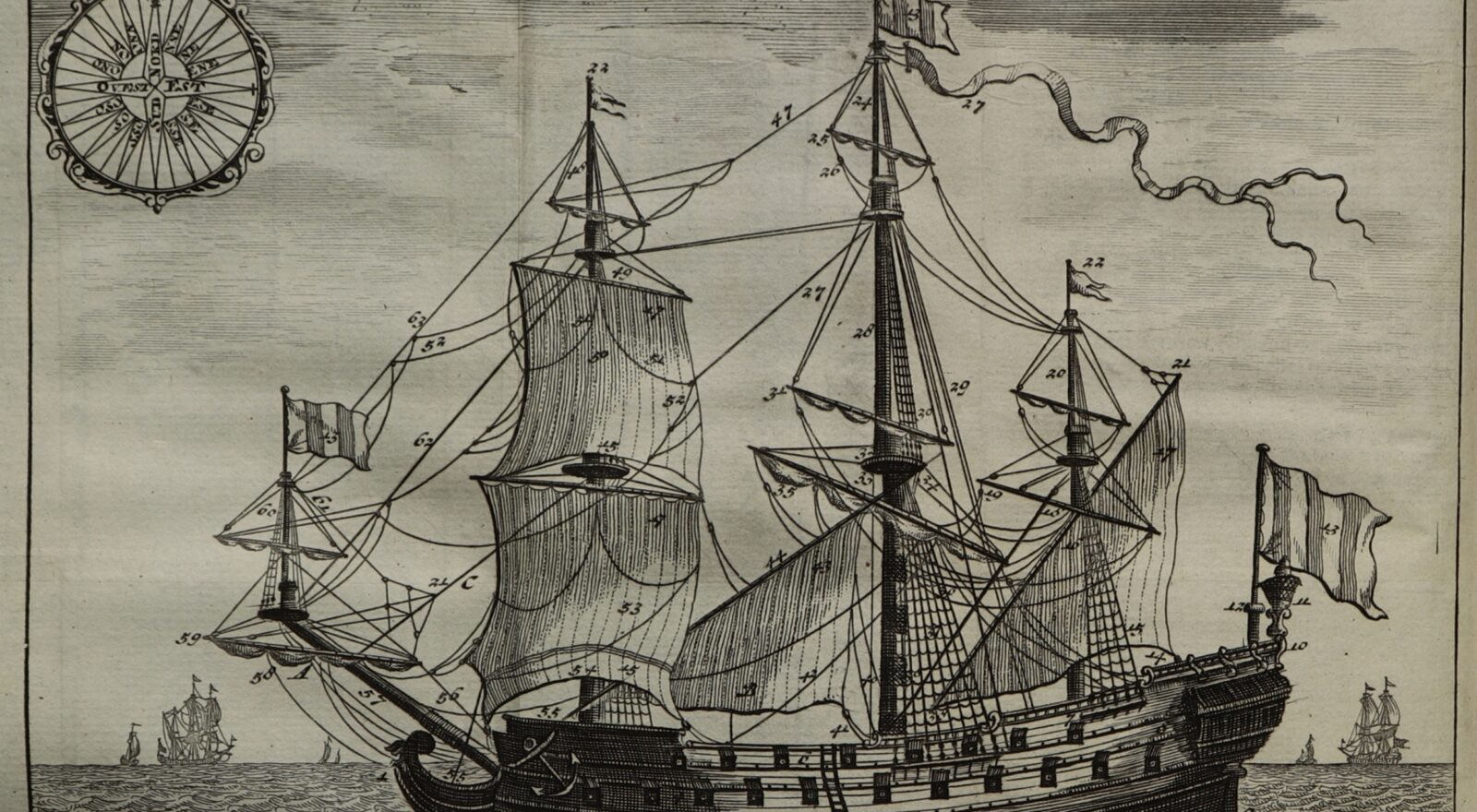
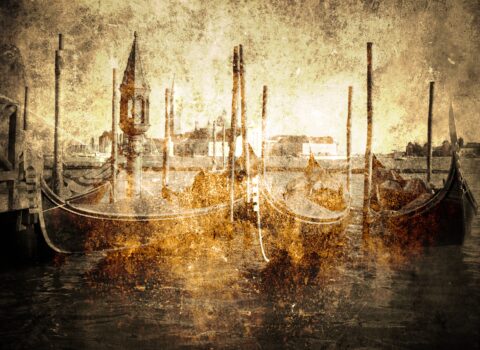
Cover image: Biblioteca FBK – s-ar 1 B 30

The author/s
-
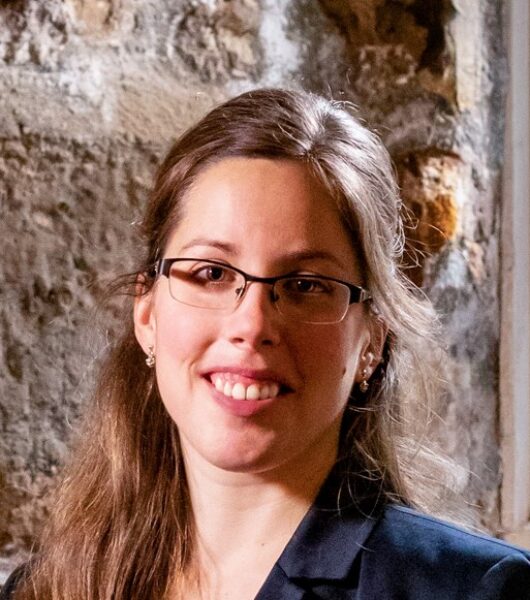 Sandra Toffolo
Researcher at the Italian-German Historical Institute
MORE INFO
Related articles