Where research begins
March 19, 2026
Stories about PhDs at Fondazione Bruno Kessler
A new fortnightly series by FBK Magazine shares the stories of PhD students who choose Fondazione Bruno Kessler to begin their research journey. Passions that grow into projects and interdisciplinary challenges highlight the crucial role of doctoral studies in shaping the scientific professionals of the future.
The world of PhD studies is a fascinating one. It is the time when, often for the first time, the foundations are laid for a passion to become a professional choice. It is the moment when the groundwork of a research path is built, methods are defined, scientific relationships are developed, and one begins to imagine their place in society and, more specifically, in the scientific community.
In fact, the doctorate represents a decisive phase: the stage in which high-level expertise takes shape, capable of moving between theoretical research, practical applications, and interdisciplinary collaboration. It is also the time when, for many, the first international connections are established, different work environments are experienced, and networks are built that are meant to last. And—you can say it with a smile—it is one of the rare moments in a career when there is relatively abundant time to study, read, and test new ideas, before responsibilities grow and the pace of work changes.
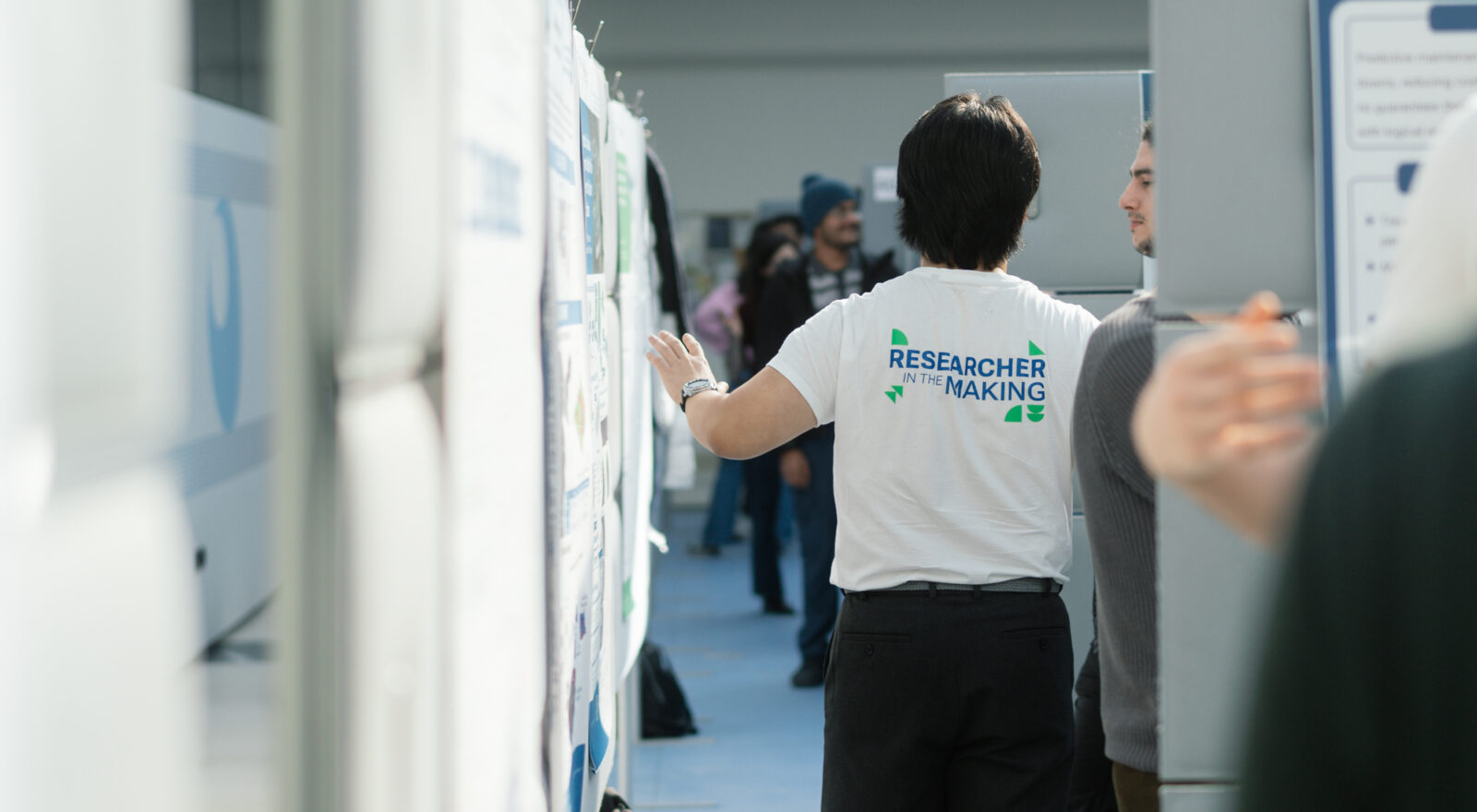
To tell the story of this intense and opportunity-rich phase, FBK Magazine has launched a new fortnightly series dedicated to the experiences of PhD students conducting their research at Fondazione Bruno Kessler. These are complemented by the perspectives of those who have already completed their doctorate and have chosen to continue their work here or have pursued particularly interesting careers in scientific and professional fields. The goal is both simple and ambitious: to give visibility to early-stage research, showing how projects and skills emerge that will help shape the future of science and innovation.
The first stories are already online. We met Yong Kwon, who is working on photonic quantum computing, a frontier of physics and computer science that promises to transform how we tackle complex problems. We also explored the work of Federica Rignanese and Annarita Barone, who study the applications of artificial intelligence in the fight against cancer, contributing to the development of increasingly precise tools for diagnosis and treatment.
These stories show how doctoral studies are also a time of personal and scientific exploration, during which one learns not only techniques and knowledge, but also how to work in teams, engage with international communities, and turn ideas into concrete results. They also show how research choices are often driven by life experiences and a willingness to move across the world in search of growth opportunities. Not infrequently, this path leads to choosing places that, although small in size, offer a dynamic and opportunity-rich scientific environment: this is precisely the case of Trento.
In the coming months, we will continue along this path, sharing new stories and new faces of research at Fondazione Bruno Kessler. We invite readers to be guided by curiosity and to follow this fortnightly series, because understanding where research starts also means understanding how the future is built.
The author/s
Related articles