
Digital Health: AI becoming “normal” at the Center for Digital Health & Wellbeing showcase day
May 26, 2026
From research laboratories to everyday clinical practice: Fondazione Bruno Kessler’s Center for Digital Health & Wellbeing presented itself at Povo with an event dedicated to innovation, scientific research, and new calls shaping the future of healthcare.
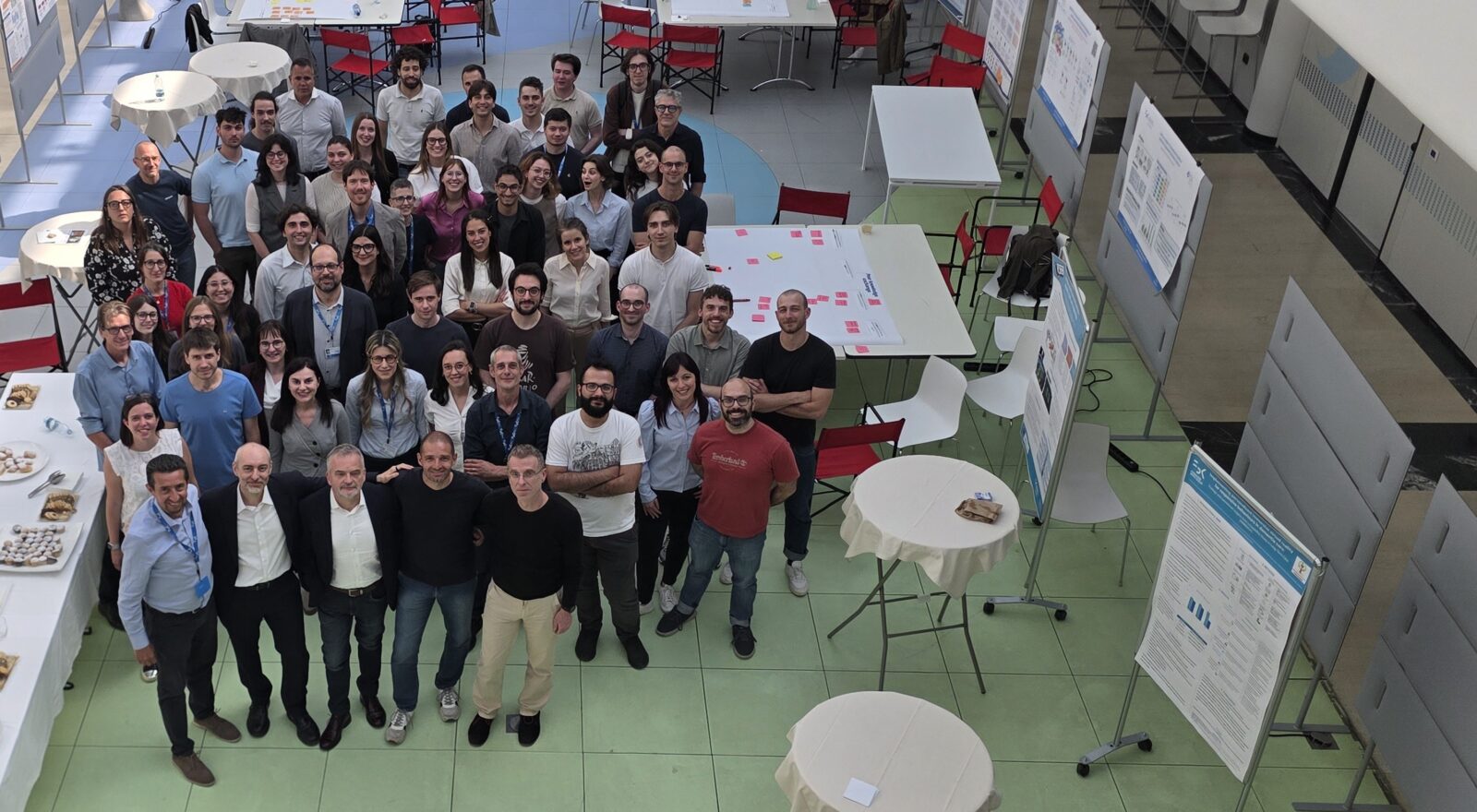
A strong sense of scientific energy filled the halls of Fondazione Bruno Kessler at Povo on Tuesday, May 19, 2026. The Stringa Hall was packed for the Digital Health & Wellbeing (DHWB) “Center Day,” an event designed to take stock of how technology is reshaping the boundaries of healthcare and well-being.
Director Federico Cabitza, who has led the DHWB Center since last February, opened the event and strongly supported this opportunity for internal exchange. His vision is clear: the goal is no longer to impress with isolated innovations, but to achieve the “normalization” of artificial intelligence.
AI as the “Connective Tissue” of Healthcare
“We must take AI out of the laboratories and turn it into an established part of everyday practice,” Director Cabitza explained in his opening remarks. According to Federico Cabitza, AI should not be a disruptive force, but rather an “invisible” technology — a kind of “connective tissue” embedded within clinical processes to support human work, improve coordination among doctors, nurses, and patients, and enhance the quality of clinical reasoning.
This vision is built on three key pillars: a culture of rigorous evaluation, responsible data governance, and meticulous attention to real-world adoption. “We are not a software company,” Cabitza reiterated. “We are a research center that combines the courage to explore new frontiers with the ability to critically reflect on what we are undertaking. We have the ability to be different. We have ideas others have not yet developed, and we can make them available to a community that benefits from this investment.”
The ultimate goal is ambitious yet concrete: extending citizens’ healthy years of life, preventing the final years from becoming a prolonged period of dependency, and reducing pressure on the healthcare system. AI can facilitate communication among physicians, nurses, and patients, improving coordination and the quality of clinical reasoning.
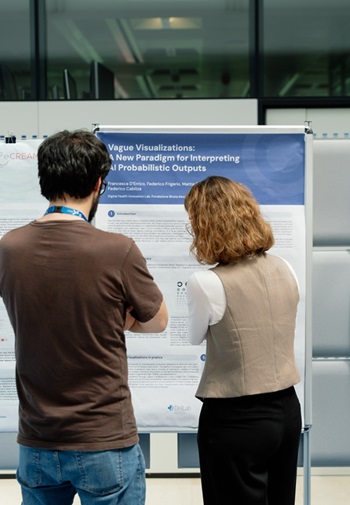
A showcase of innovation: from talks to posters
The morning offered a snapshot of the vitality of FBK’s research through an organizational format designed to engage and give visibility to all researchers.
Lisa Novello, from the DSH research unit, explored the interaction between human and technical dimensions in AI for healthcare, while Patrizio Bellan (IDA research unit) and Marco Dianti (dHRes research unit) examined the therapeutic potential of AI agents and the use of Virtual Reality in anxiety management, respectively.
The Lightning Talks session was especially dynamic, with young researchers presenting cutting-edge projects in just a few minutes: from the standardization of generation pipelines for medical domains presented by Esin Ezgi Yildiz (IDA research unit), to conflict management in large language models analyzed by Saba Ghanbari Haez (IDA research unit).
Federico Frigerio and Mattia Franzin of DHILab discussed developing machine learning models for clinical platforms, while Francesca D’Errico of DHILab explored the topic of “Fluorescent Visualization,” explaining the new paradigm for interpreting probabilistic AI results in graphics. There was also a presentation by Shahryar Noei (DSH Research Unit) on an innovative mathematical model that uses AI to represent medical images.
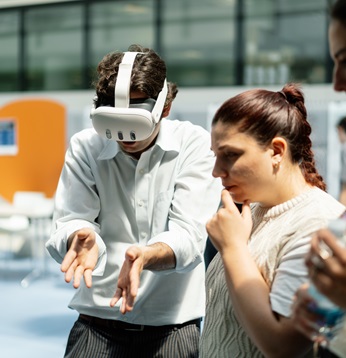
Lunchtime became a true “showcase of innovation.” Among the 28 posters and demos on display, participants were able to exchange ideas and learn more about the projects being developed by the Center: from Virtual Reality applications and machine learning models predicting the risk of motor dysfunction in Parkinson’s disease, to systems designed to optimize emergency room workflows such as the eCREAM project, and “Affiora,” a web app aimed at preventing violence against women.
The “Idea4Project” Call and the DEEVA Unit
To foster this “collective intelligence,” the event also featured the launch of “Idea4Project,” a new internal call that will fund up to three interdisciplinary project proposals with a budget of €10,000.
As Director Cabitza explained, the initiative is designed to encourage collaboration among different units while rewarding tangible outcomes such as demos or research protocols.
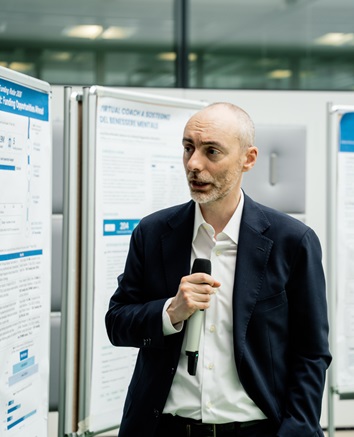
“We want to encourage collaboration between different organizational units and support the development of concrete results,” said Director Cabitza. The call, with a submission deadline of September 22, 2026, requires teamsof three to five members with a strong interdisciplinary component and is also open to external participants such as clinicians and academics.
Cabitza also announced plans to establish a new DEEVA unit (Design, Evidence, Deployability Assessment), which will focus on human-centered design and the evaluation of “deployability,” meaning the real capacity of a technology to be successfully integrated into clinical settings.
Toward an FBK Method for Digital Health
The day concluded with working groups dedicated to building synergies and exchanging knowledge.
What emerged from the event was the identity of a Center that goes beyond simply “developing technology,” instead systematizing a genuine “FBK Method” for digital health: an evidence-based approach combining scientific rigor with close attention to the needs of the local community in Trentino. A method that sets it apart from other national and international research centers.
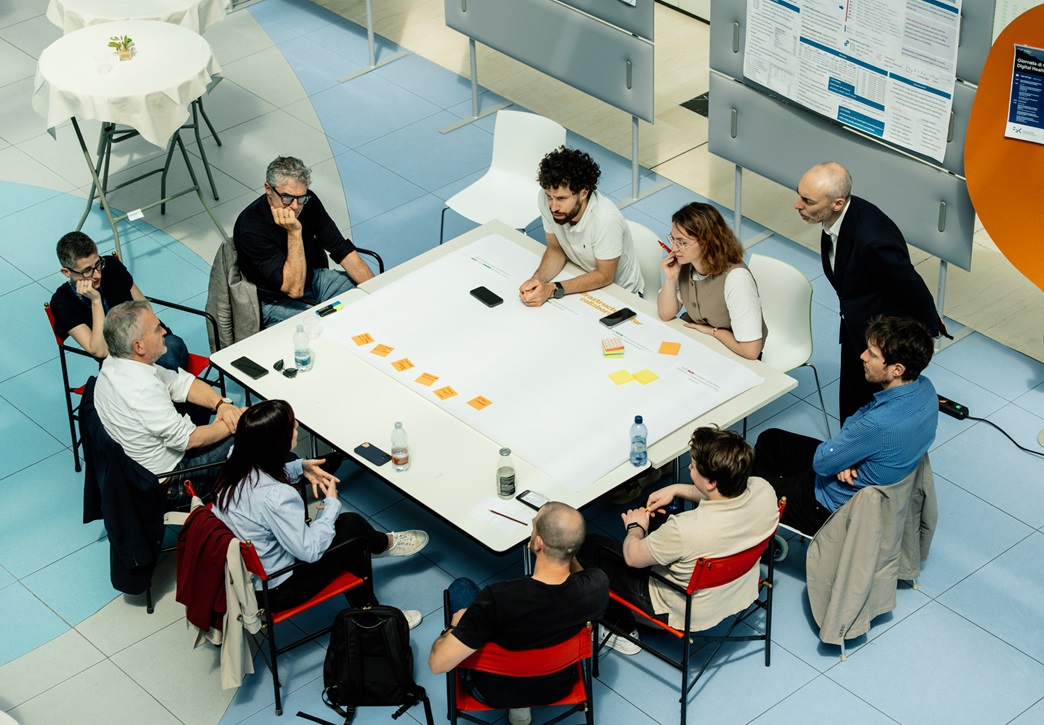
A final reflection: A beacon against sensationalism
At the end of the day, we asked Director Cabitza for a final reflection. “This event was not only a celebration, but also a fundamental step toward being credible in promoting a working method based on experimentation and the pursuit of real impact for citizens.”

According to Cabitza, FBK’s role is to serve as a “beacon” in a world often dominated by exaggerated promises and media sensationalism. “Precisely because there is so much noise around these issues, often fueled by commercial interests, our voice must help guide citizens, healthcare professionals, and policymakers toward the most effective and safest tools.”
His final hope is for a form of digital healthcare that is “truly at the patient’s bedside and in citizens’ pockets.” If the path forward is one in which AI “opens up” clinical reasoning rather than locking it inside black boxes, the event at Povo confirmed that the DHWB Center, one of the member organisations that make up TrentinoSalute4.0, has already begun charting that course.
“The greatest satisfaction comes from helping improve people’s lives through more equitable and sustainable tools,” Cabitza concluded. “This is the right path forward. AI is truly becoming ‘normal,’ and on the Povo science hill, it is already part of the present.
The strategic research and innovation activities are organized into the following research units:
DATA SCIENCE | ARTIFICIAL INTELLIGENCE | MACHINE LEARNING |HEALTH & COMPUTATIONAL BIOLOGY
Head: Giuseppe Jurman:
Digital Health Research (dHRes)
APPLIED RESEARCH ON DIGITAL HEALTH TECHNOLOGIES
Head: Oscar Mayora
Intelligent Digital Agents (IDA)
TRUSTWORTHY AND ETHICAL AI | KNOWLEDGE AND DATA | DIALOGUES AND PERSUASION
Head: Mauro Dragoni
Digital Health Innovation Lab (dHILab)
INNOVATIVE SOLUTIONS FOR HEALTH I eHEALTH DIGITAL PLATFORMS I PATIENTS AND CLINICIANS SUPPORTING SYSTEMS
Head: Claudio Eccher
The author/s
-
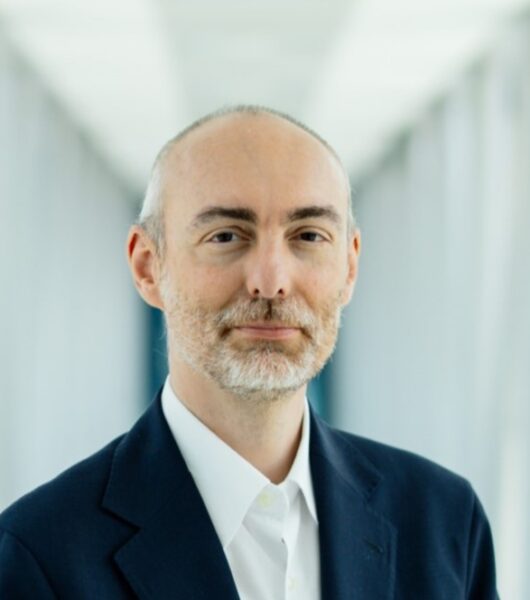 Federico Cabitza
Direttore Centro Digital Health & Wellbeing
MORE INFO