Hands-on school on micro- and nanofabrication
November 5, 2026
The It-fab School on Micro- and Nanofabrication took place in Turin from October 27 to 30, offering an intensive training program designed to provide participants with both a solid theoretical
Organized as part of It-fab, the Italian distributed infrastructure for micro- and nanofabrication, the school offers a unique opportunity to learn from experts working in state-of-the-art research facilities.
It-fab is the Italian network of cleanrooms for micro- and nanofabrication across public research institutes and universities. It was established to foster scientific collaboration, shared access to infrastructure, and the development of expertise in strategic sectors such as micro- and nanodevice manufacturing to support microelectronics, photonics, quantum technologies, and advanced materials.
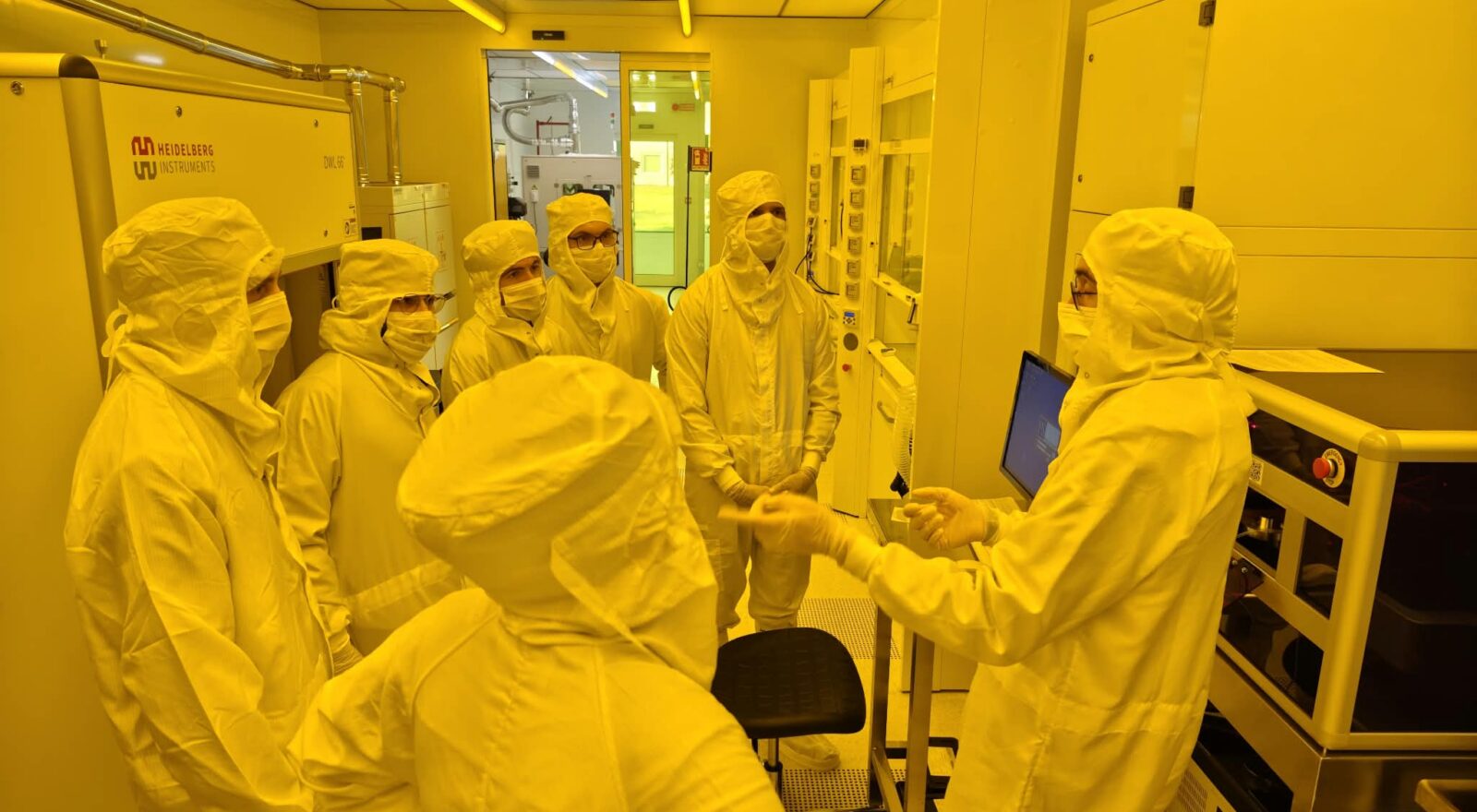
The event was hosted in Turin at INRIM within the PiQuET (Piemonte Quantum Enabling Technologies) cleanroom, a joint lab of INRIM, Politecnico di Torino, and the University of Turin.
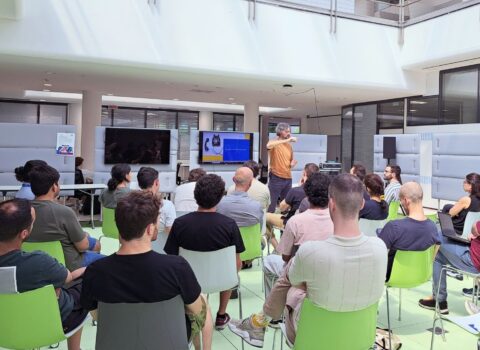
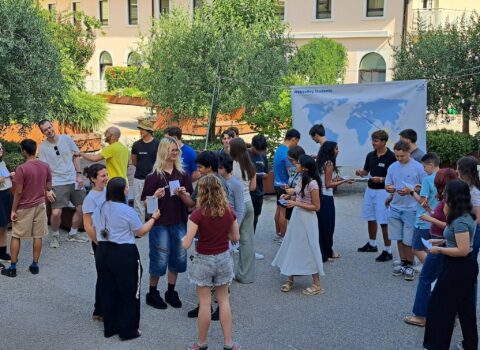
In this first edition—which will subsequently rotate among the various hubs of the It-fab network—the school was held in English and attended by 18 in-person participants, as well as dozens of online attendees who followed the morning theory lectures remotely.
In addition to in-person theoretical classes, the school provided authentic hands-on experience inside a micro- and nanofabrication cleanroom.
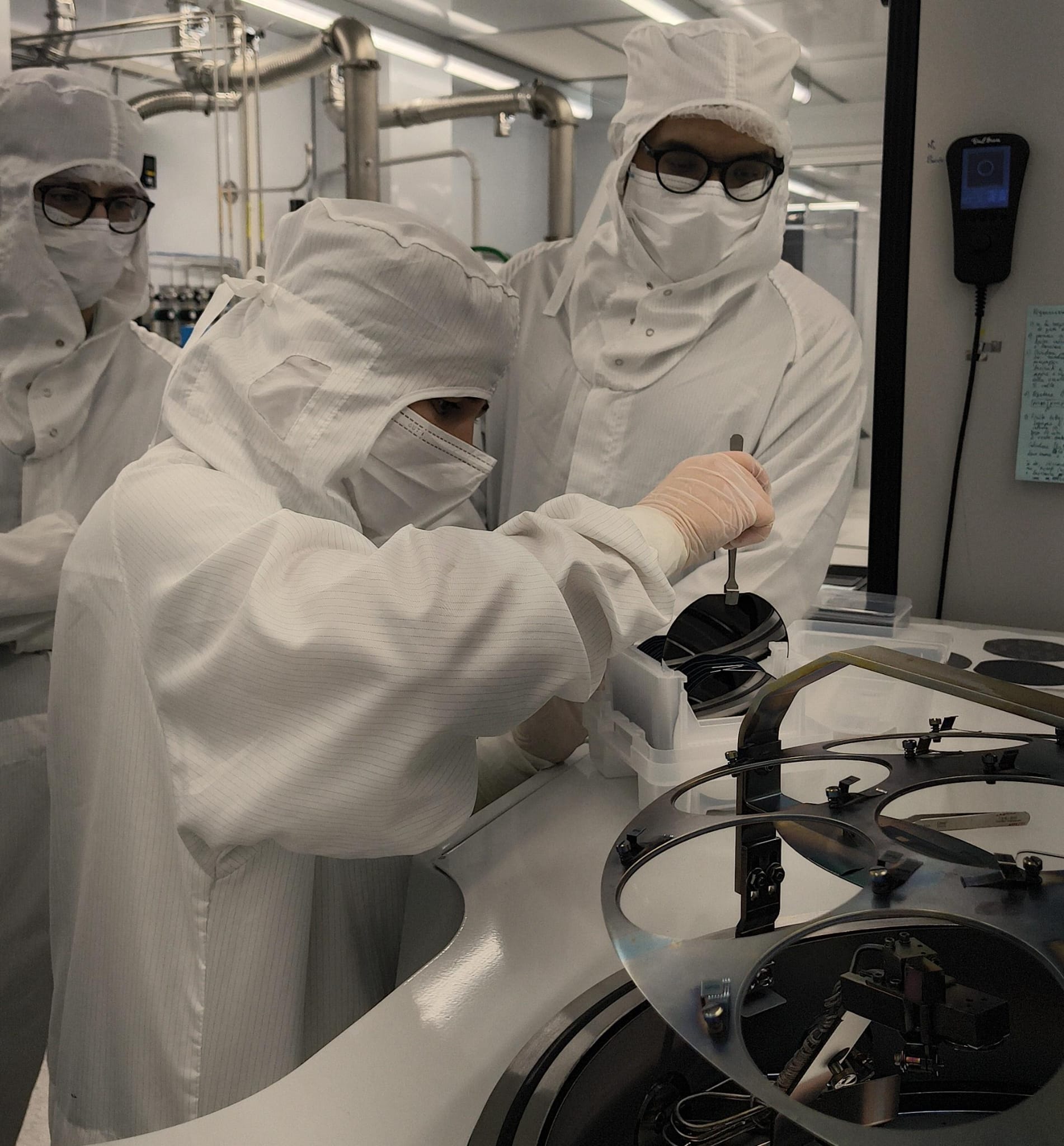
During the three and a half days of intensive activities, participants explored the primary micro- and nanofabrication techniques, including optical, electron-beam, and ion-beam lithography; CVD and PVD deposition techniques; etching; packaging; and material and device characterization.
Finally, special attention was given to the strategic role of cleanrooms in the global semiconductor market and the competitive advantage offered by public research infrastructures.
FBK’s contribution
Fondazione Bruno Kessler is one of the founding members of It-fab and actively participates in projects coordinated by the infrastructure. FBK contributes to the school both from an organizational standpoint (Lorenza Ferrario serves on the Organizing Committee) and through numerous speakers from its Center for Sensors & Devices: Emilio Corte (“Ion implantation, from semiconductor doping to quantum technologies”), Evgeny Demenev (“Packaging overview”), Ali Nawaz (“Fundamentals of Etching Techniques”), and Lorenza Ferrario (“Introduction and FAIR open data management”).
The author/s
Related articles