
Sandro Zorzi named among the winners of the 2026 Canada–Italy Innovation Award
October 15, 2026
The FBK researcher was honored for HyWeCAN, a project dedicated to developing materials and technologies for green hydrogen production.
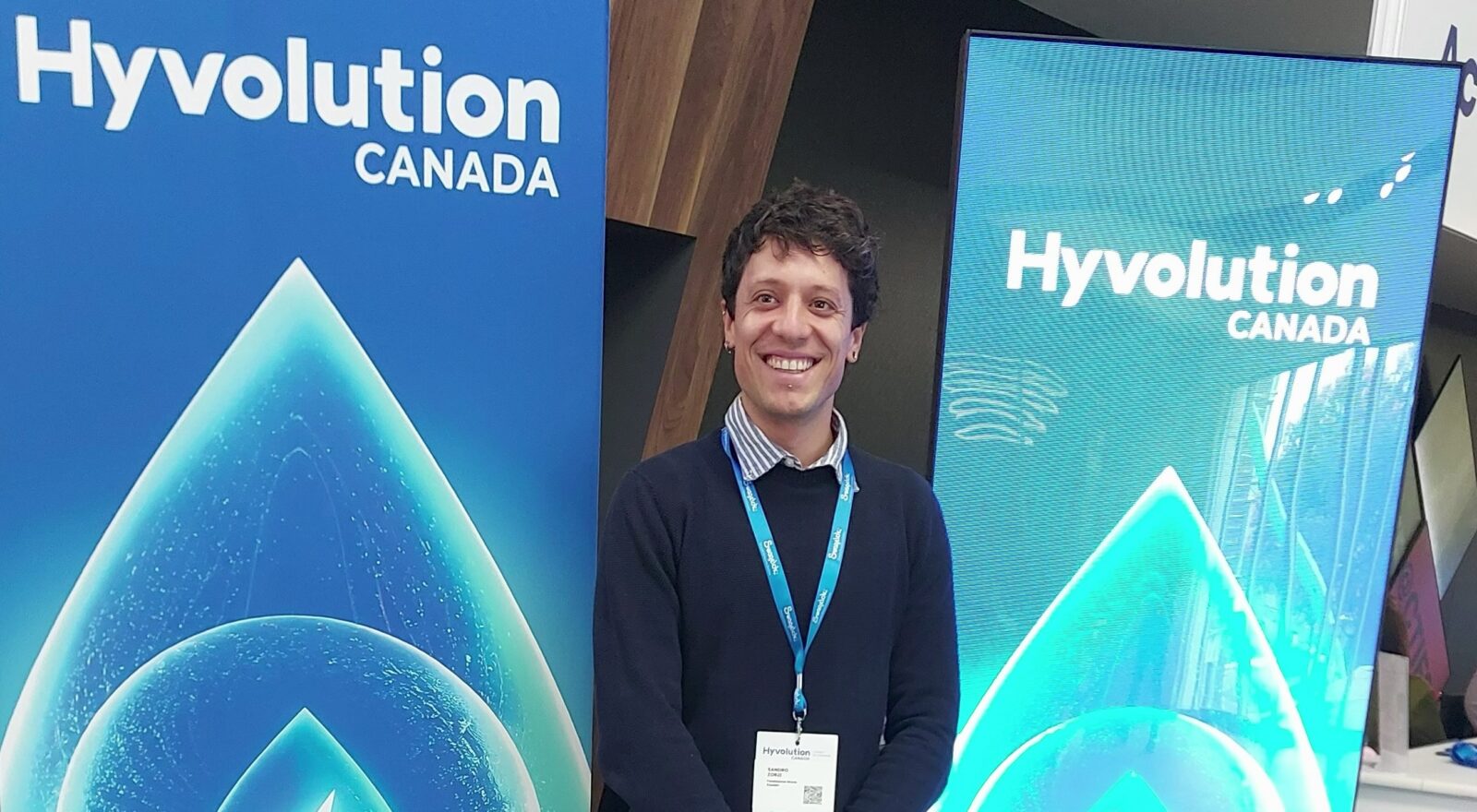
Sandro Zorzi, a researcher in the HyRES unit at Fondazione Bruno Kessler’s Center for Sustainable Energy, is one of the winners of the 2026 Canada–Italy Innovation Award. His project, “HyWeCAN: Water electrolysis for hydrogen production through Italian–Canadian collaboration,” was developed in partnership with the Hydrogen Research Institute (HRI) at the Université du Québec à Trois-Rivières (UQTR).
Sponsored by the Embassy of Canada to Italy, the award supports projects that strengthen scientific and technological cooperation between the two countries, fostering new connections among universities, research centers, and the innovation sector.
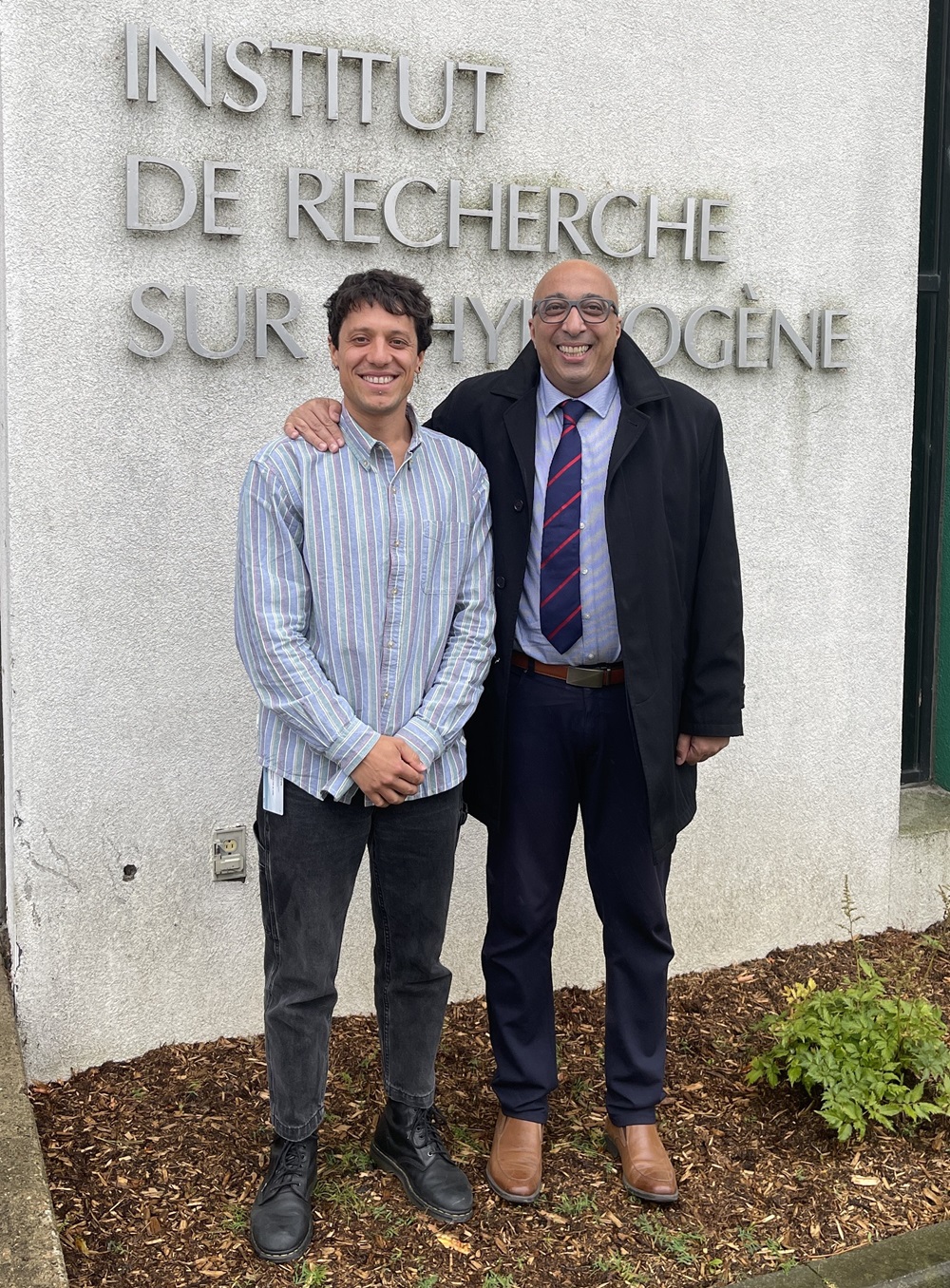
The project brought Zorzi to Canada for an exchange program with HRI researchers and director Prof. Bruno G. Pollet. The visit focused on sharing scientific work, identifying technical synergies, and providing training and exploration opportunities around the technological capabilities of the Sustainable Energy Center’s HyRES unit. The initiative aims to strengthen relations between both institutions and nations, leverage complementary expertise, and uncover new opportunities for joint collaboration in green energy technologies. Key objectives include exploring student and researcher mobility and developing new joint projects, including within a European framework.
At the heart of HyWeCAN are low-temperature water electrolysis technologies, specifically the development of innovative materials for green hydrogen production. Sandro’s work focuses on the nanostructuring of catalysts and protective coatings for electrolyzers—critical components for enhancing performance, efficiency, and durability.
Within the HyRES unit, this work is carried out using low-pressure plasma techniques to functionalize and nano-engineer materials. These processes make it possible to modify material properties on a microscopic, atomic level, tailoring them to the specific demands of electrolyzers. Concurrently, these methods minimize the need for solvents and chemicals while enabling the creation of advanced coatings for hydrogen technologies.
For Sandro, Canada also holds personal significance, as it is the country where his grandfather originally emigrated. This family connection now intersects with his scientific path, linking Trento and Québec through hydrogen research.
Ultimately, the Canada–Italy Innovation Award serves not only as a recognition of individual research, but also as a vehicle for transforming scientific dialogue into structured, lasting partnerships spanning research, education, and innovation.
.
The author/s
-
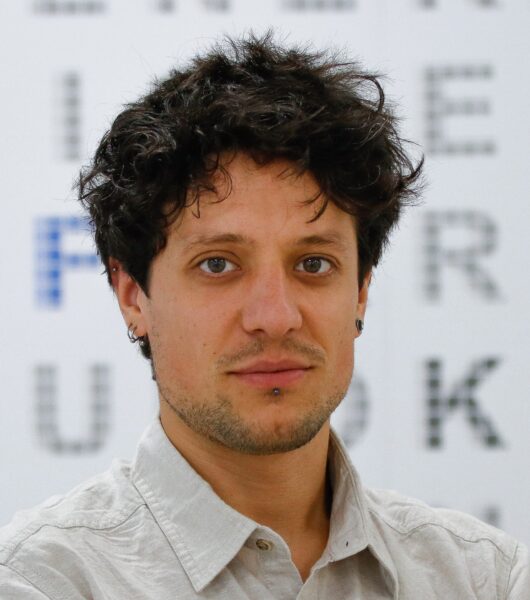 Sandro Zorzi
Ricercatore presso l'Unità HyRES del Sustainable Energy Center della Fondazione Bruno Kessler.
MORE INFO
Related articles