#work
-
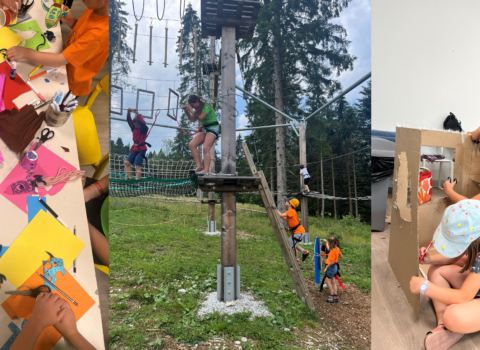 September 21, 2026Science and games at the “FBK Kids Camp”The “Kids Camp – Summer Edition 2024” has come to an end. The initiative was promoted by the Foundation to provide practical support for families in achieving work-life balance and to offer younger generations an opportunity for growth and discovery through play and exploration.
 -
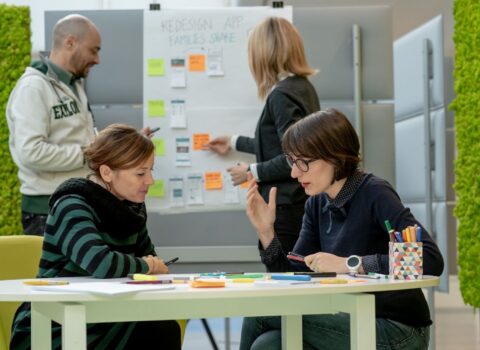 February 11, 2026New Gender Equality Plan (GEP) approvedTo mark the International Day of Women and Girls in Science, Fondazione Bruno Kessler reaffirms its commitment to gender equality through concrete action: the Board of Directors has approved the new Gender Equality Plan (GEP). The document is the result of a collaborative process that involved listening to and engaging with the internal community and various stakeholder groups.
 -
 July 24, 2023Effects of using non-compete agreements in the Italian labor marketLorenzo Luisetto, Doctoral Candidate - Michigan University, presented at FBK-IRVAPP the results of an empirical study about the regulatory framework, use, incidence and content of non-compete agreements in the Italian labor market.
 -
 September 7, 2022The impact of reducing weekly working hoursWork less to work all? The mantra is now outdated. We need to rethink work by focusing on productivity, well-being, and work-life balance of the worker.
 -
 May 10, 2022In-work poverty in Italy: what it is and how to combat itBeginning with a discussion of the mechanisms that lead to situations of in-work poverty, Andrea Garnero, host of the FBK-IRVAPP research center, presented data on the extent and characteristics of the phenomenon in Italy and the five proposals developed for the Ministry of Labor to counter both the spread of low wages and the growth of poverty in households
 -
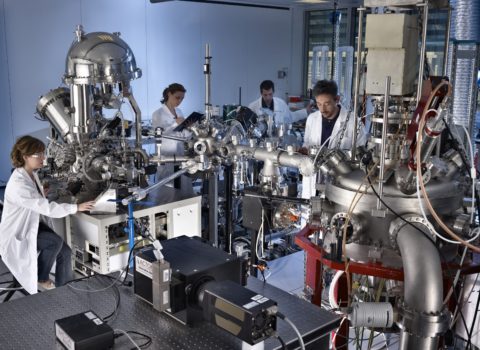 February 18, 2022Be a scientist: from profession identity to gender equalityThe research profession told by two exceptional protagonists
 -
 October 27, 2020Artificial intelligence and creative destruction: old and new jobsIs there a growing risk of robots replacing human work? If so, which jobs will be mostly impacted?