A Daydreamer day
February 26, 2026
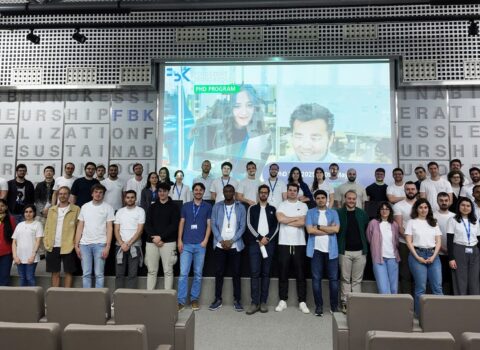
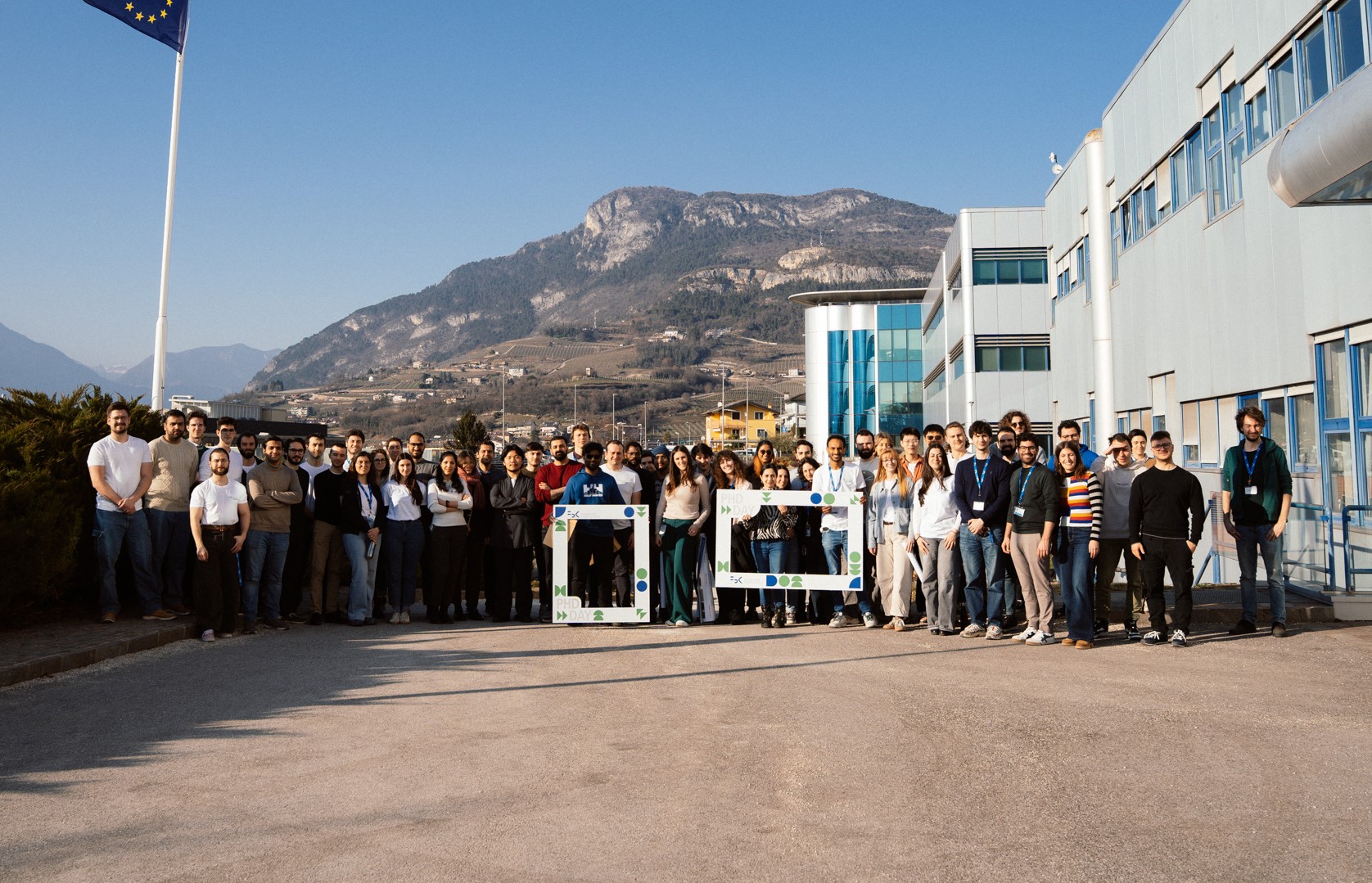
The annual PhD Day is back, offering the FBK PhD student community a chance to connect, discover one another’s research paths, and draw inspiration from colleagues with different personal and professional backgrounds. Awards were presented for the best posters and to those who distinguished themselves for their scientific output
Spending your PhD at FBK means immersing yourself for three years in a stimulating environment, closely connected to both academia and industry.
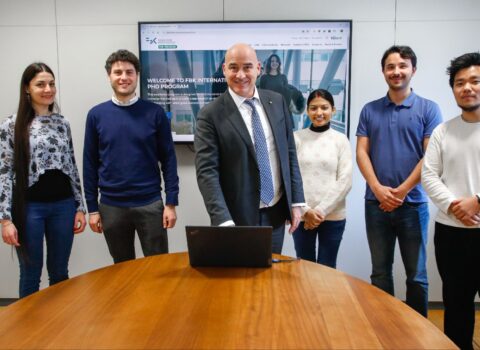
The FBK international doctoral program invests in the talent and potential of future scholars by providing high-level training within a context of research excellence.
The PhD Students @ FBK community includes about 210 people, one-third of whom come from abroad and 28% of whom are women. It is an experience that offers access to professional growth opportunities alongside academic development, as well as ongoing engagement with the applied dimension of knowledge in innovation across the four general research areas: AI for health, AI for industry, AI for society, and sensors for AI.
Doctoral programs at FBK operate within the national regulatory framework, primarily defined by Ministerial Decree 226/2021, which governs their establishment and operation. Although the Foundation cannot award the doctoral degree directly, it collaborates with Italian and international universities to fully or partially fund doctoral scholarships, provides scientific supervision and tutoring, and makes its research infrastructure available to PhD students.
The Scholars and PhD Program Unit coordinates the entire process, working closely with universities and researchers, from drafting the agreements that regulate each individual program to onboarding and managing PhD students. There are several types of doctoral programs, each with its own administrative and financial characteristics: Foundation-funded scholarships, unfunded doctorates, industrial doctorates in collaboration with companies, and visiting or call-specific programs (for example, Marie Curie).
PhD day programs
The FBK International PhD Program was launched nine years ago: since then, the community has more than doubled, and every year these young talents have the opportunity to meet during PhD Day. It is a special chance to recognize the contribution and work of a new generation of researchers and innovators. Designed to foster connection and exchange among PhD students from different research areas, it promotes multicultural dialogue and interdisciplinary collaboration.
Networking can become an important asset, as a sense of belonging facilitates the development of professional relationships and access to relevant people, information, and updates within one’s field.
On February 25, the 2026 edition took place, featuring a keynote address, testimonials, poster sessions, and space for peer interaction and dialogue with more experienced colleagues.
“Thinking about Thinking” – Keynote by Richard Hall Wilton, Director of the FBK Center for Sensors & Devices
Through his engaging presentation, he shared a wide range of inspirations—from street art to music, nature, pets, and even public spaces—blending curiosity with his long international experience as a research leader. He encouraged students to “enjoy the journey,” to conduct research in a positive work environment like FBK’s, to think deeply, to be polite, tolerant, creative, and, above all, productive, paying particular attention to time management.
What is a PhD? What is a research organization?
Starting from these questions, the director described the modus operandi of FBK’s Center for Sensors & Devices, leaving the audience with three key takeaways.
First: scientific excellence is linked not only to knowledge, but also to the professional network built over time alongside colleagues and partners.
Second: a multicultural and interdisciplinary work environment increases the likelihood of productive interactions.
Third: collaborating with FBK means being at the heart of European research and seizing concrete opportunities for innovation.
This framework also includes informal “journal club” meetings, where speakers and participants engage in dialogue and discussion on interdisciplinary topics, creating opportunities to connect and exchange ideas.
The generational relay
Self-awareness is essential to recognizing your potential, but also to understanding your limits and gradually learning how to transform them.
For younger researchers, listening to Mattia Duranti and Elena Donini—now established researchers after successfully completing their doctorates at FBK—means seeing the future already in motion. Both Science Ambassadors shared personal experiences, anecdotes, and advice on how to fully experience and make the most of the PhD journey.
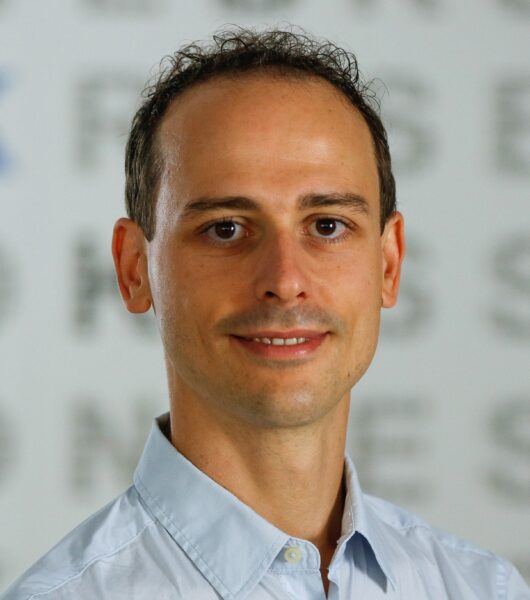
Duranti described his path, rich with lessons learned along the way, useful “for getting through a doctorate without losing your mind.” From Sant’Anna in Pisa to Fermilab, and then to Trento for a doctorate at FBK followed by a period at Fraunhofer ICT, he alternated industry and research experiences, gradually building his professional background. Duranti is now a permanent member of the BET unit at the FBK Center for Sustainable Energy after embarking on a tenure track last year.
“FBK offers many opportunities,” Duranti commented. “It’s important to balance passion and curiosity—essential resources—with time management, which allows you to channel your energy and turn experiences into growth opportunities that align with and enrich your path. You need to be open but also focused, carry out research with determination, and find the time and way to communicate it along the way.”
From remote sensing to climate change
Donini, active in several science communication communities (TEDx, Wired, Pint of Science, TiramiScience), was an ESA visiting scientist and described the Odyssey of JUICE and the EnVision project, major space initiatives in which she plays a leading role. A researcher exploring subsurface environments on the moons of Jupiter, Venus, and Antarctica, she obtains valuable information about the composition and transformation of ice—knowledge that is crucial for understanding ice melt, with projections of sea-level rise ranging from the current 3 mm per year up to 1.8 meters in the most pessimistic scenarios over the coming decades.
“The doctorate,” she testified, “is challenging, but along the way you come to recognize the many achievements you gain. It is a fertile period, a seed that continues to bear fruit throughout your professional future. I increasingly recognize the importance of mentorship: many ideas come from students who bring different perspectives and lateral approaches, often capable of opening up new research directions.”
The art of synthesis: research in “Pitch” format
One of the most dynamic moments of the day was the “PhD Student Pitch” presentations. The challenge was clear: condense years of work and data into a short format to connect with colleagues and build potential synergies.
Poster Session
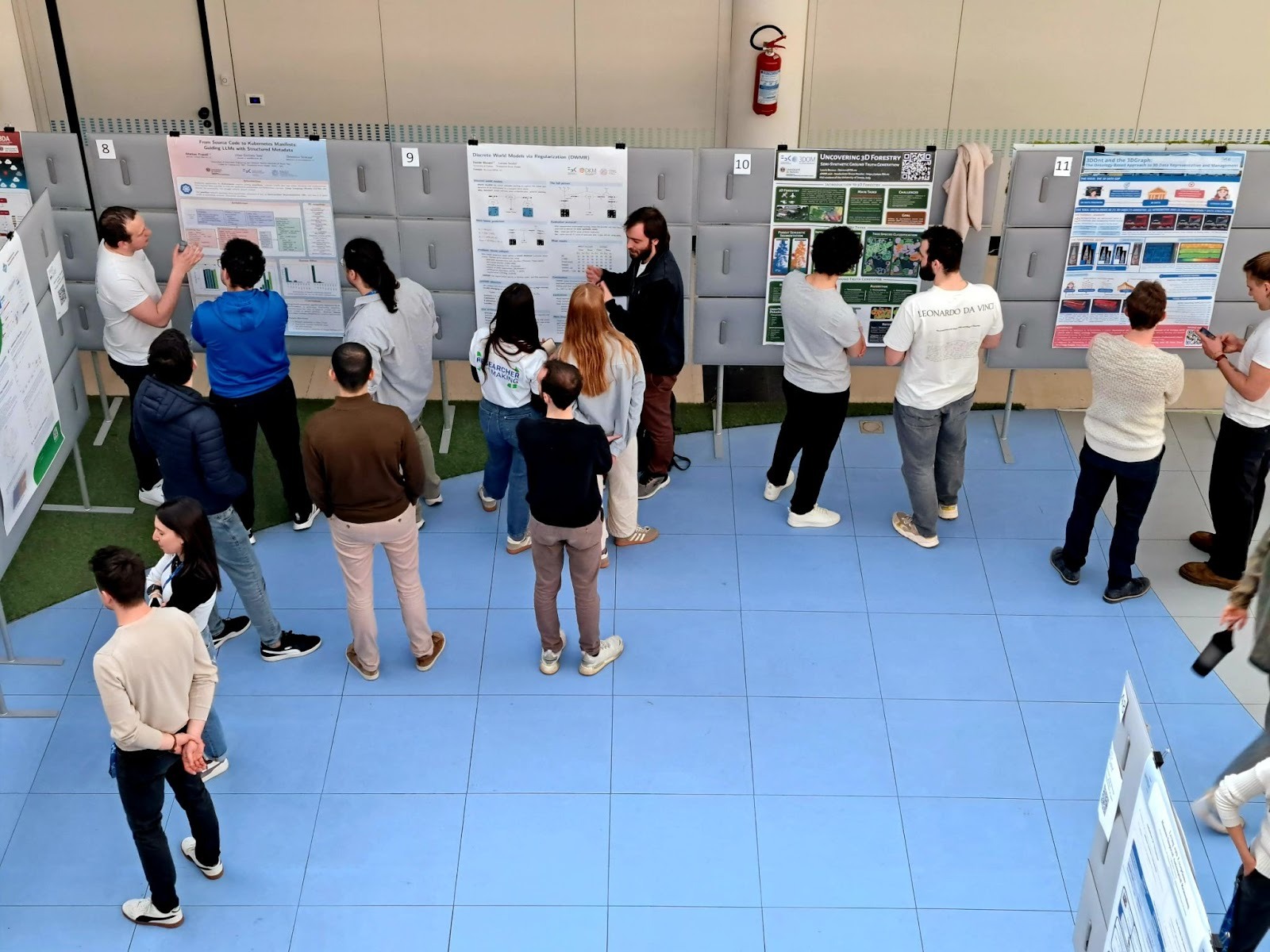
During the “Themed Poster Session,” the Open Space of the North Building at the Povo hub was transformed into a true “research ideas square.” Knowledge became interactive, and research turned into direct intellectual exchange between researchers and visitors. Participants’ votes assessed each PhD student’s ability to make their work relevant to peers from other fields. In this networking space, organized by thematic areas, curiosity became the glue fostering cross-disciplinary collaborations that might otherwise be unlikely.
With remarks from Chiara Fronza, who works in Research Assessment at FBK, it was emphasized that scientific research represents a complex ecosystem that young researchers must quickly learn to understand. The advancement of knowledge does not end with achieving a relevant and innovative result; it is fully realized only through publication, dissemination, and the enhancement of what has been achieved.
To help each PhD student navigate the research world and raise awareness, the Foundation offers a range of training opportunities, from science communication to understanding how the value of research is measured and recognized according to international scientific standards.
The data presented also confirmed that doctoral students are a strategic asset for the FBK community from a scientific standpoint as well: publications generated with their contribution account for about a quarter of the Foundation’s overall scientific output.
And the winner is…
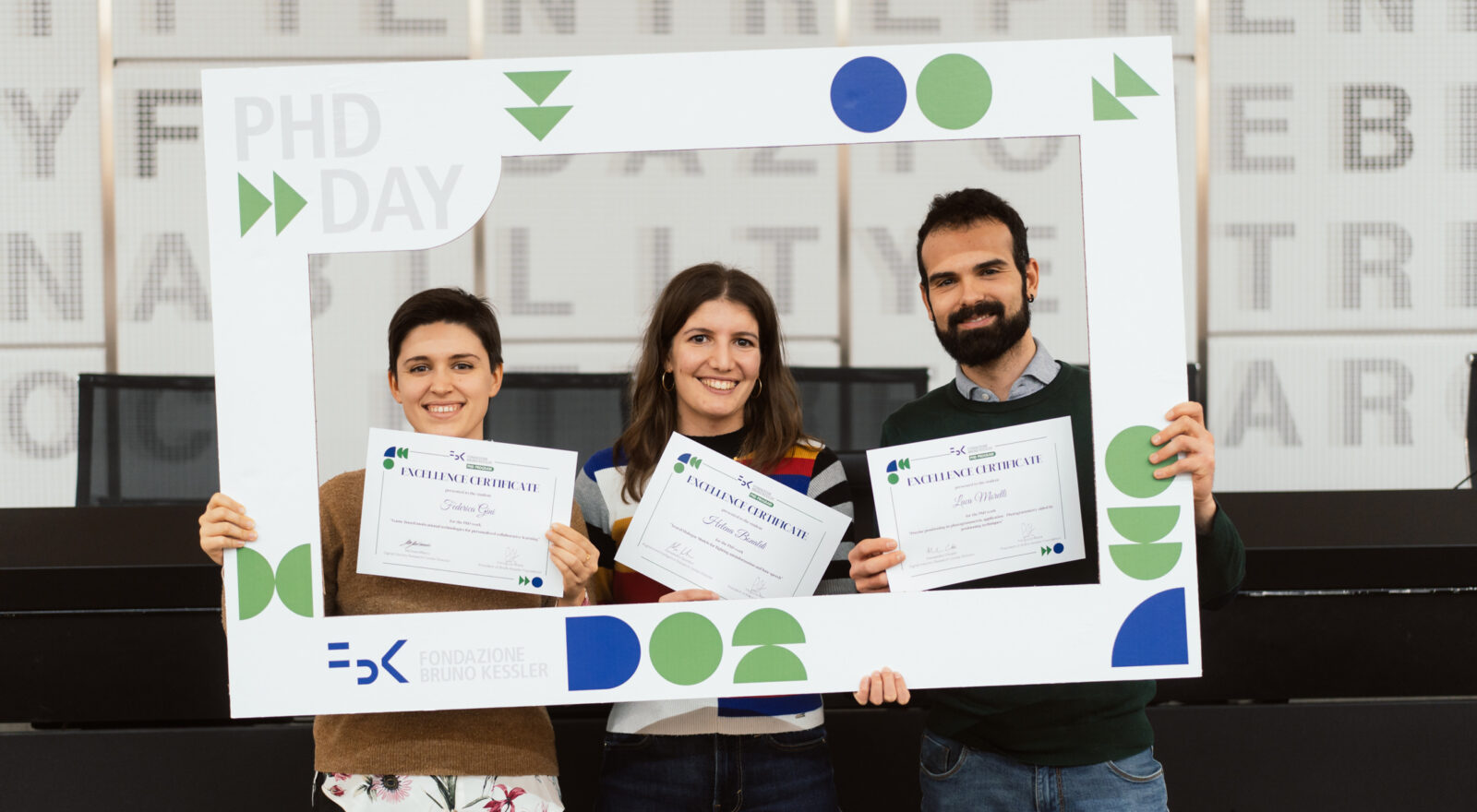
The event wrapped up with two types of awards: one for the most-voted posters and another, the “PhD Excellence Certificates,” recognizing those who achieved significant results in terms of publications in leading journals and prestigious conferences in their field. More than a milestone, the certification serves as encouragement to continue with the same dedication and to contribute to the advancement of collective knowledge.
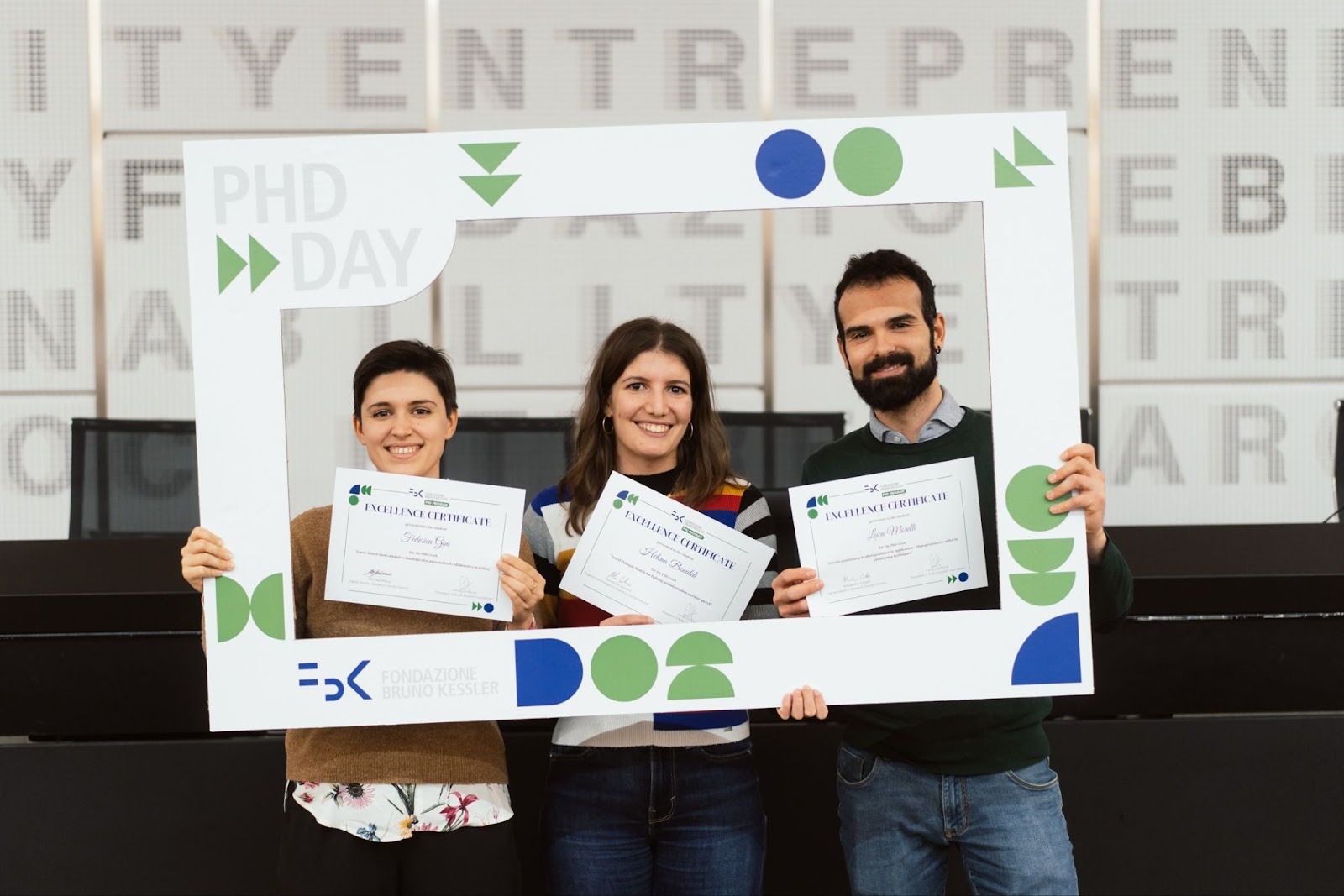
PhD Excellence Certificate presented to Federica Gini, Helena Bonaldi and Luca Morelli.
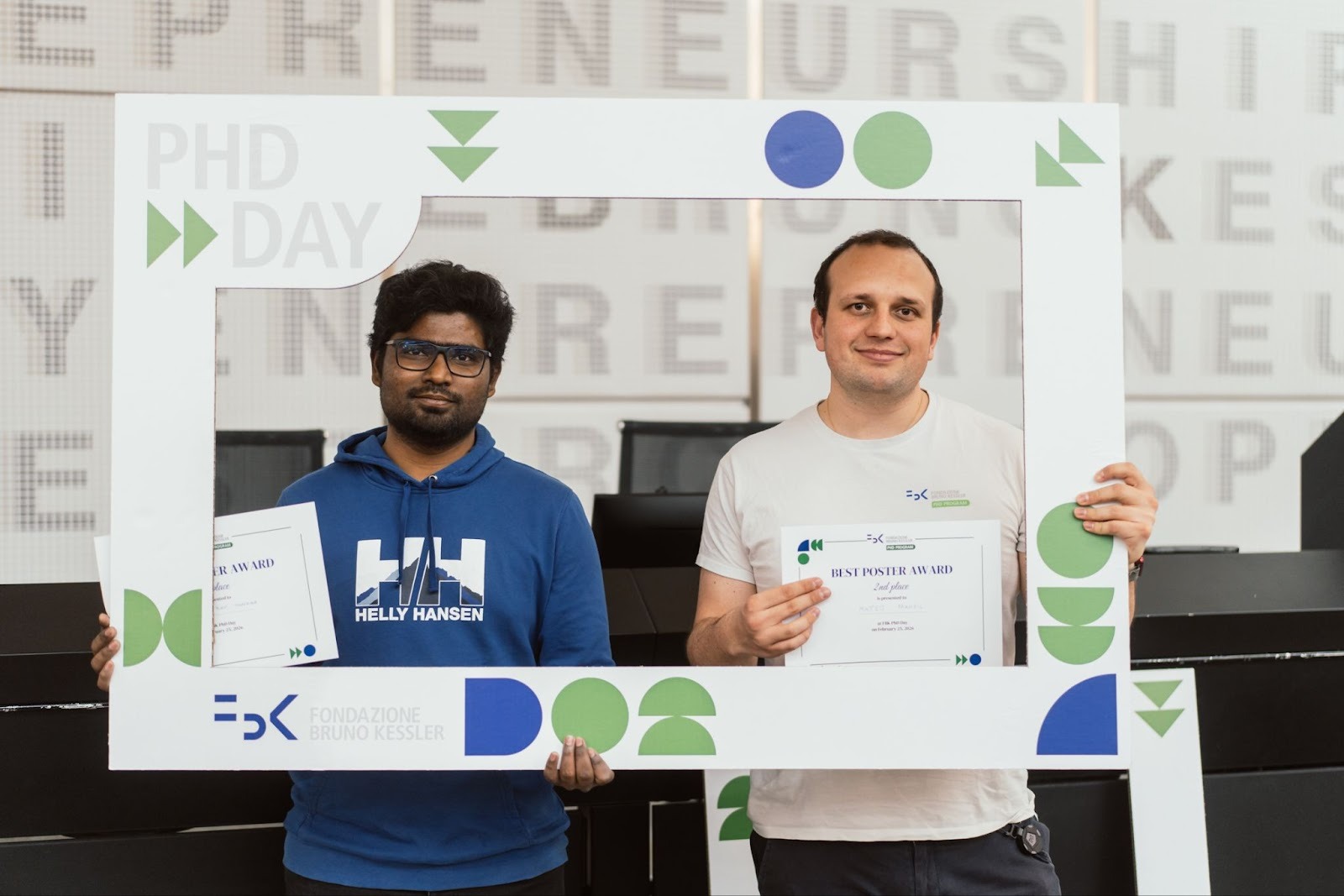
Best Poster award to Siva Balaganesh Ravi Sankar, Matteo Franzil and, not in the picture, Lorenzo Colturato.
Non conclusioni
Research is a living organism with the potential to profoundly shape the near future. Among the talents showcased at PhD Day are the architects of tomorrow’s world, with their cultural diversity, expertise, and curiosity. Investing in human capital and supporting scientific research means shaping the future—designing it rather than waiting for it—one insight at a time, one person at a time, each with their own unique and irreplaceable contribution. All that remains is to wish everyone the best of luck and see you at the next edition.
The author/s
-
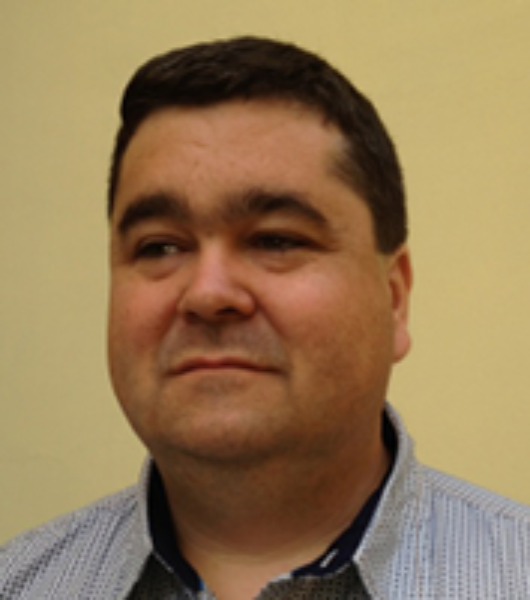 Richard Hall-Wilton
Director Center for Sensors & Devices - FBK
MORE INFO -
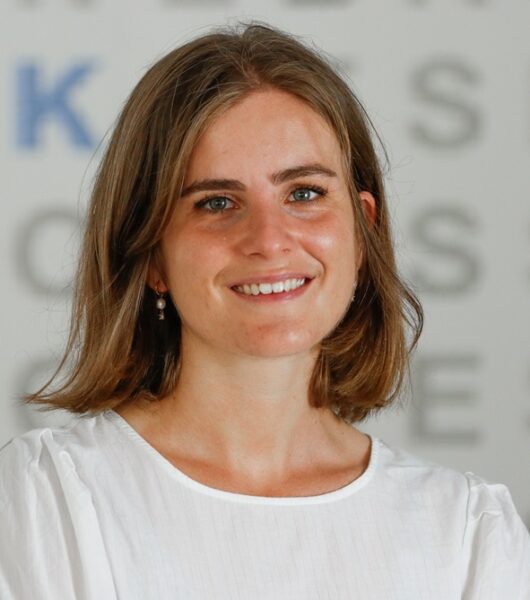 Elena Donini
Postdoctoral researcher at the FBK Remote Sensing for Digital Earth unit. She collaborates with the Remote Sensing Laboratory of the University of Trento. She is a member of the scientific team working on the Radar for Icy Moon Exploration (RIME) instrument, which is on board the European Space Agency (ESA) mission JUpiter ICy moons Explorer (JUICE).
MORE INFO -
 Mattia Duranti
Mattia Duranti – Batteries and Electrification Technologies – Sustainable Energy Center
MORE INFO