
Bridging physics and philosophy
July 23, 2026
The Center for Sensors and Devices explores non-dualism as a new interdisciplinary aradigm
In an era where scientific specialization often risks isolating disciplines from one another, Fondazione Bruno Kessler (FBK) continues to champion the pursuit of shared knowledge.
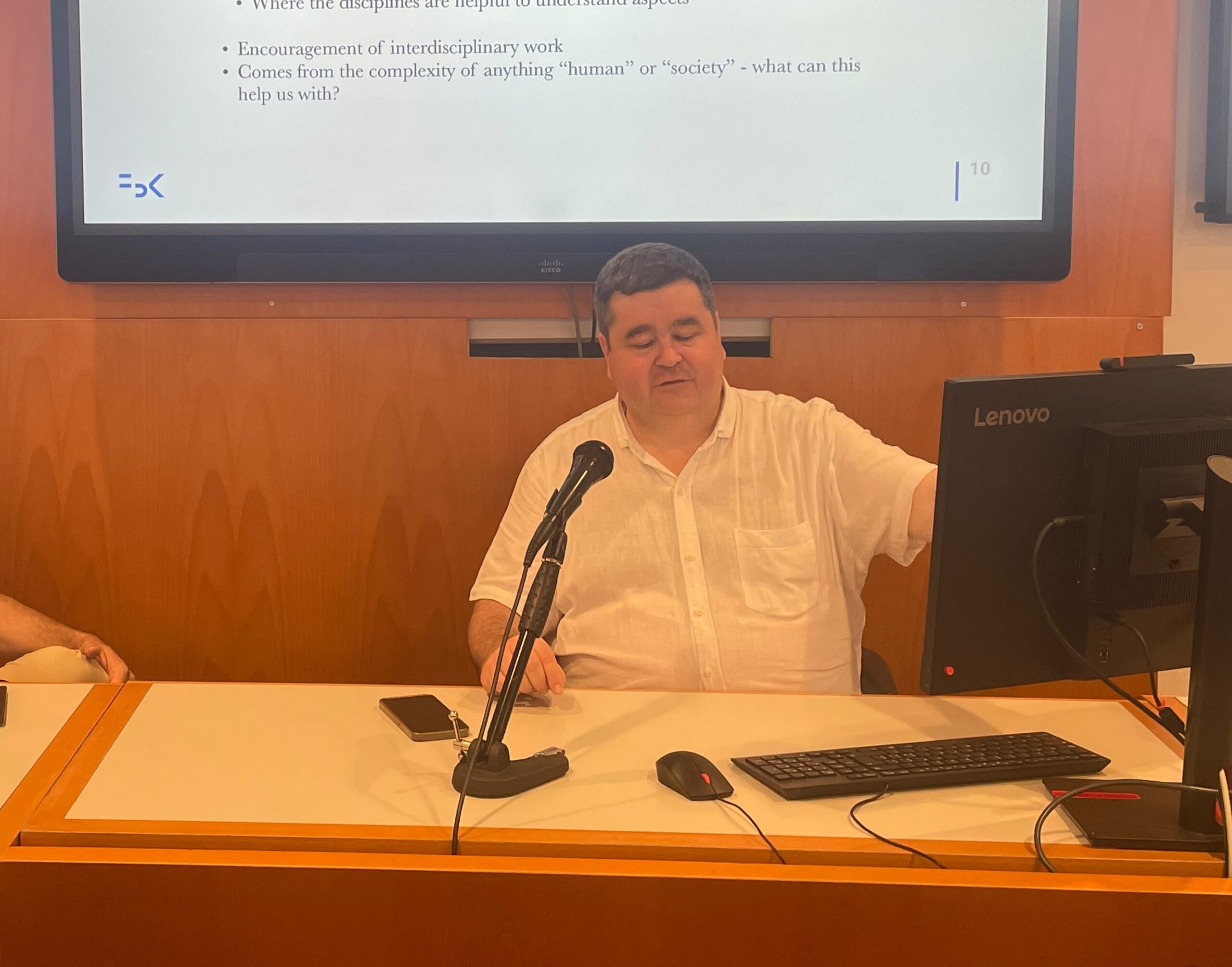
A prime example of this commitment is the upcoming participation of three prominent FBK researchers—Richard Hall Wilton (Physicist and Director of the Center for Sensors and Devices), Rossana dell’Anna (Physicist, Center for Sensors and Devices), and Sara Hejazi (Anthropologist, Center for Sensors and Devices)—in the groundbreaking panel: “Unity and Differentiation. Inquiring Non-Dualism as Interdisciplinary Paradigm.”at the EUARE (European Academy of religions) annual conference, held in Rome from the 30th of june to the 4th of july.
The panel set out to tackle a profound challenge: investigating non-dualism not merely as an abstract philosophical concept, but as a cross-cutting framework capable of fostering deep, fruitful dialogue between physics, metaphysics, and the social sciences.
Beyond disciplinary divide: A shared perspective on complexity
At its core, non-dualism rejects traditional ontological separations—such as subject versus object, or consciousness versus matter. Instead, it views reality as a continuous process of self-manifestation, where the multiplicity of the universe emerges from a singular, unitary field.
While this might sound rooted in ancient metaphysics, the panel’s second—and perhaps most ambitious—aim is to explore how these systems offer robust interpretive models for contemporary sciences. From quantum mechanics and biochemistry to morphogenesis and theories of self-consciousness, non-dualism provides a unified lens capable of illuminating highly complex phenomena.
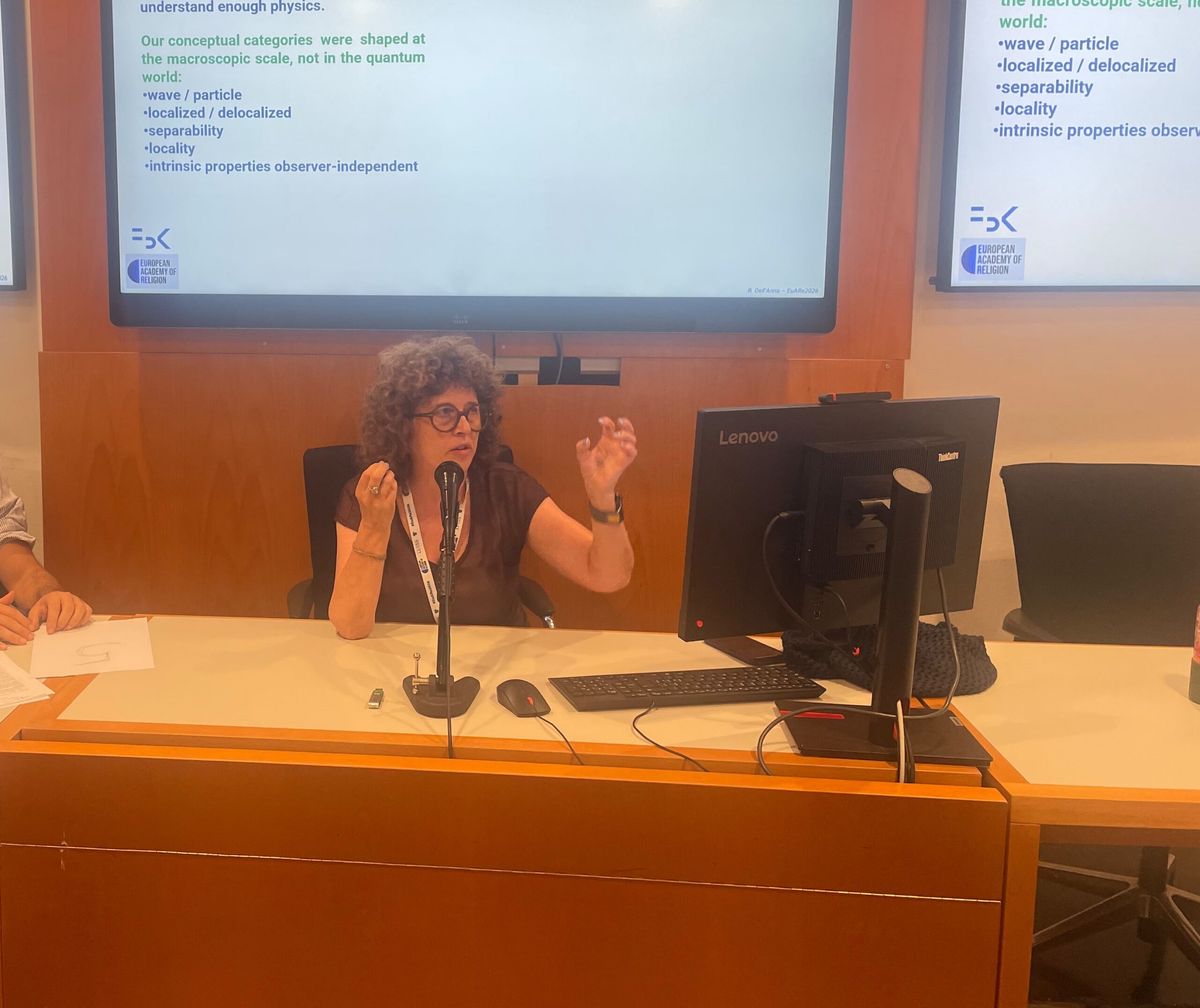
FBK’s interdisciplinary team aims to develop common languages and shared concepts across seemingly disparate disciplines, enabling the scientific community to better understand and articulate the intricate complexity of our reality.
An unprecedented interdisciplinary synergy
What makes the participation of the Center for Sensors and Devices so unique is the specific synergy among the researchers involved. Their collaboration embodied the very essence of the panel by combining the rigorous, empirical perspective of advanced physics—where quantum mechanics and material reality frequently challenge classical, dualistic notions of the “observer” and the “observed”—with the cultural, historical, and philosophical perspectives through which human societies interpret meaning, ritual, and metaphysical traditions.
Co-creating a new vocabulary for reality
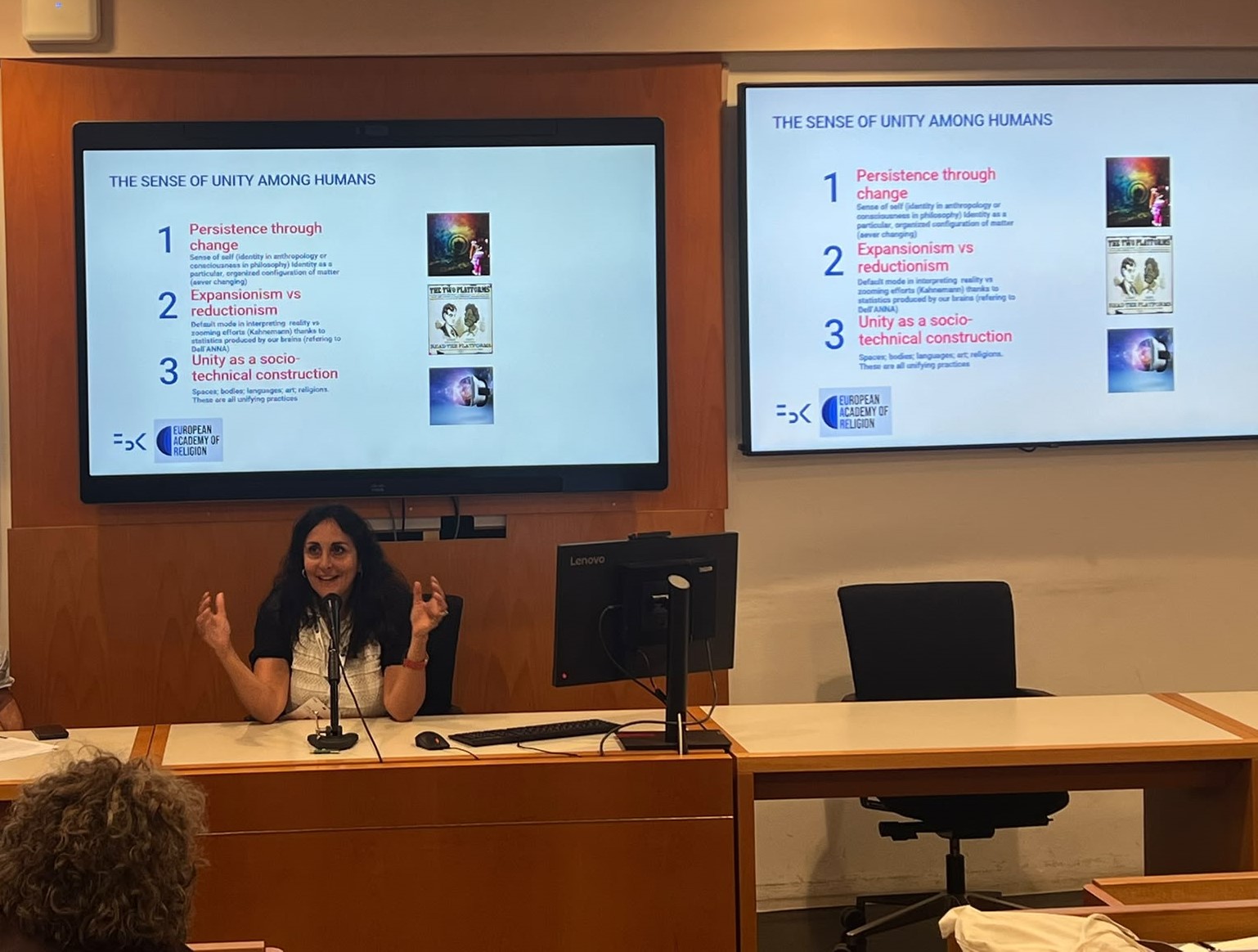
To truly understand complex systems—whether we are talking about quantum entanglement or human cultural frameworks—we can no longer rely on fragmented silos. The participation of Wilton, Dell’Anna, and Hejazi to Euare 2026 underscores FBK’s role as an incubator for innovative epistemological ground.
By looking at reality through the lens of Unity and Differentiation, the center for sensors and Devices at FBK is helping to co-create a common vocabulary. It is an invitation to move past old academic boundaries, proving that when physics meets anthropology under a shared paradigm, we come closer to a more holistic, profound understanding of the universe we inhabit.
The author/s
-
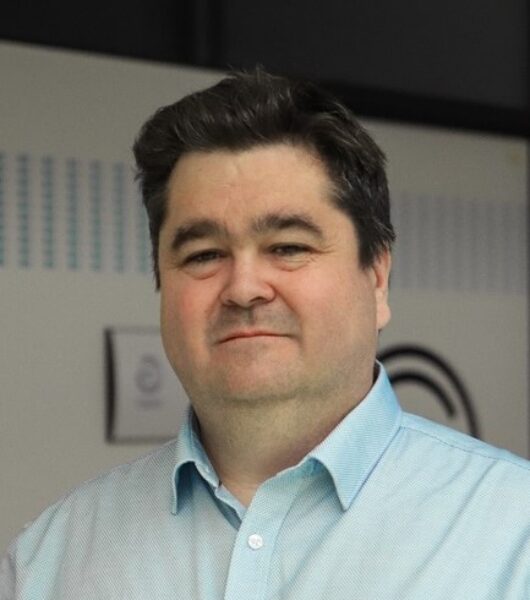 Richard Hall-Wilton
Director Center for Sensors & Devices - FBK
MORE INFO -
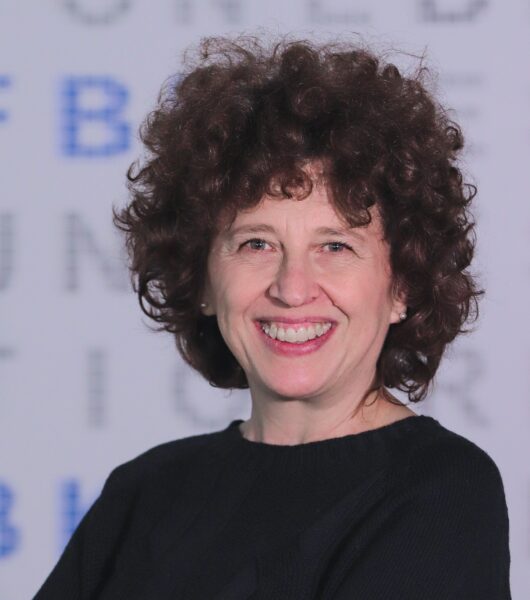 Rossana Dell’Anna
Coordinator of the Spectroscopy Laboratories at MTSD-SD, FBK Sensors & Devices
MORE INFO -
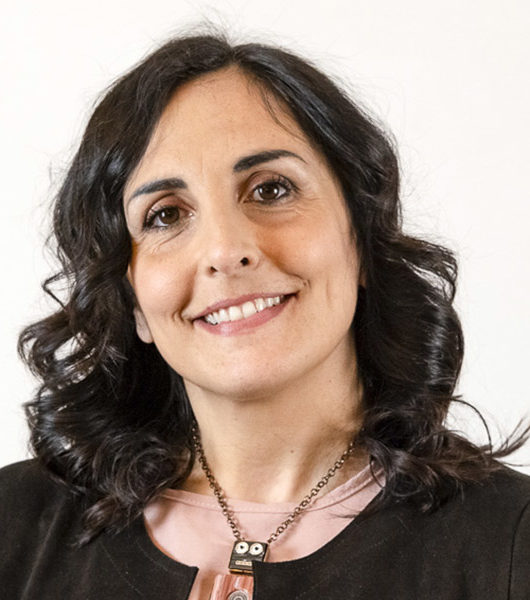 Sara Hejazi
Born in Iran but educated in Italy, Sara Hejazi is an anthropologist with a focus on religions, gender perspectives and identity construction through body practices and symbols.
MORE INFO
Related articles